7 Proven Steps to Use Hot Pepper Spray
Damp earth emits a distinct petrichor as the sun hits the garden bed; the smell of geosmin signals a healthy microbial community. A plant with high turgor pressure stands rigid, its vascular system fully hydrated and its stomata open for gas exchange. Maintaining this physiological peak requires protecting the leaf cuticle from damage. Following the correct steps to use hot pepper spray ensures that the plant's energy remains focused on photosynthesis rather than repairing tissue loss from herbivory. Capsaicinoids act as a powerful irritant to soft-bodied organisms without disrupting the plant's internal cellular chemistry. By integrating this botanical deterrent, you preserve the integrity of the rhizosphere and ensure that the plant reaches its full genetic potential. Success depends on precise application timing and concentration levels to avoid phytotoxicity while maximizing the repellent effect. This method bridges the gap between raw organic chemistry and disciplined horticultural management.
Materials:
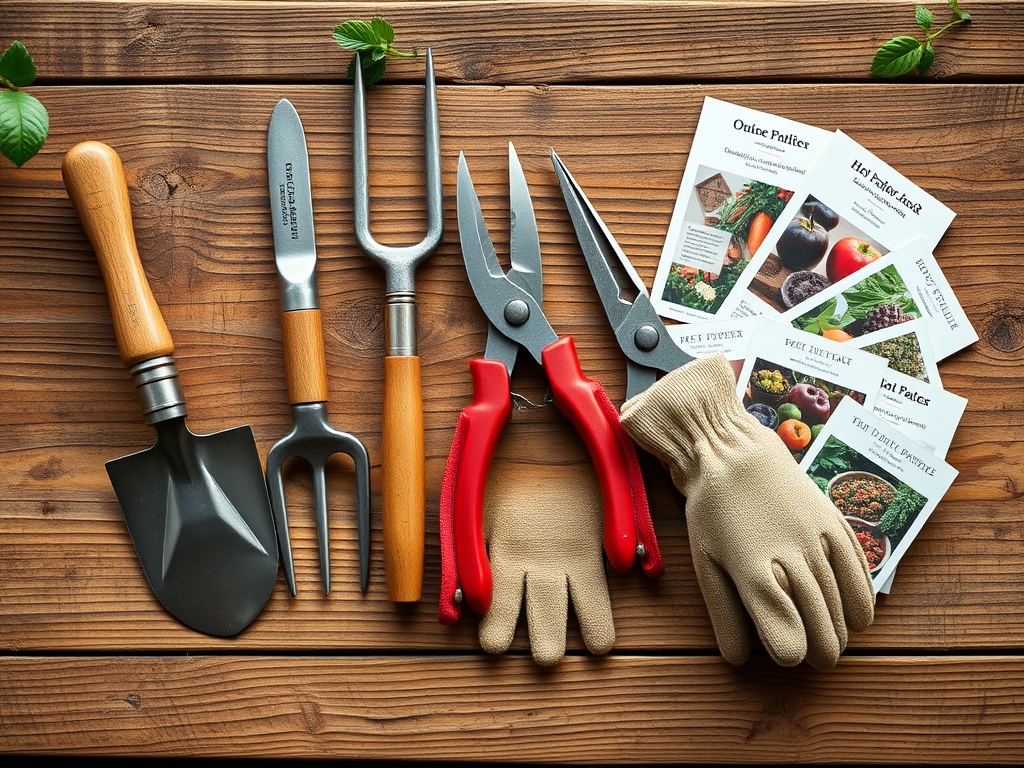
Effective pest management begins with the soil. Your substrate must be a **friable loam** with a **Cation Exchange Capacity (CEC) between 15 and 25 meq/100g**. This ensures the plant has the structural support and nutrient availability to withstand external stressors. Maintain a **soil pH of 6.2 to 6.8** to maximize the bioavailability of micronutrients.
For the spray itself, utilize peppers with a minimum of 50,000 Scoville Heat Units (SHU). You will need:
- 1 gallon of distilled water (neutral pH prevents chemical interference).
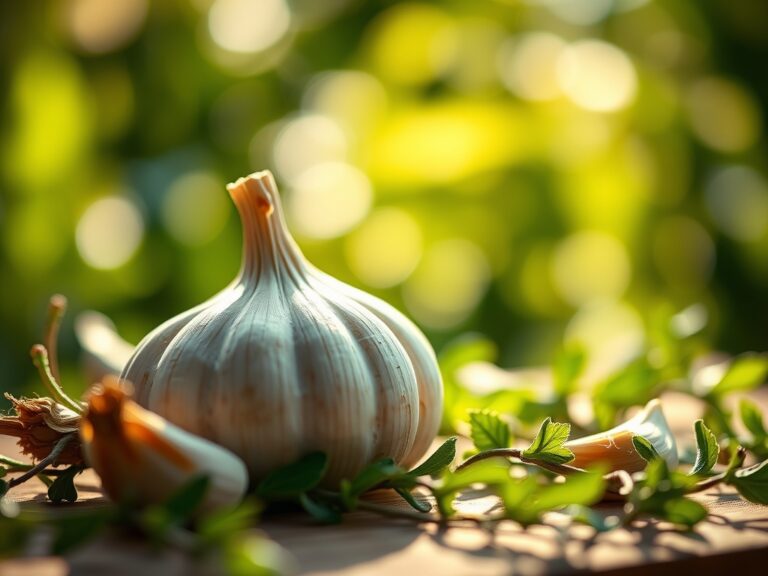
- 10 medium habanero or cayenne peppers (high capsaicin concentration).
- 2 tablespoons of castile soap (acts as a surfactant to break surface tension).
- 1 tablespoon of vegetable oil (improves adhesion to the waxy cuticle).
The plant should be supported by an NPK ratio of 5-10-10 during the application phase; high nitrogen can lead to succulent growth that is more susceptible to the very pests you are trying to deter.
Timing:
In Hardiness Zones 5 through 9, the window for application is dictated by the frost-free date and the biological clock of the target pests. Most insects emerge when soil temperatures consistently reach 55 degrees Fahrenheit. You must synchronize your application with the plant's transition from the vegetative stage to the reproductive stage.
Apply the spray during the "Goldilocks" window: after the morning dew has evaporated but before the sun reaches its zenith. Specifically, apply when ambient temperatures are between 65 and 80 degrees Fahrenheit. Applying above 85 degrees risks causing stomata closure and leaf scorch due to the oil content in the spray. Avoid application during the photoperiod's peak intensity to prevent the magnification of UV rays through the liquid droplets.
Phases:
Sowing and Preparation
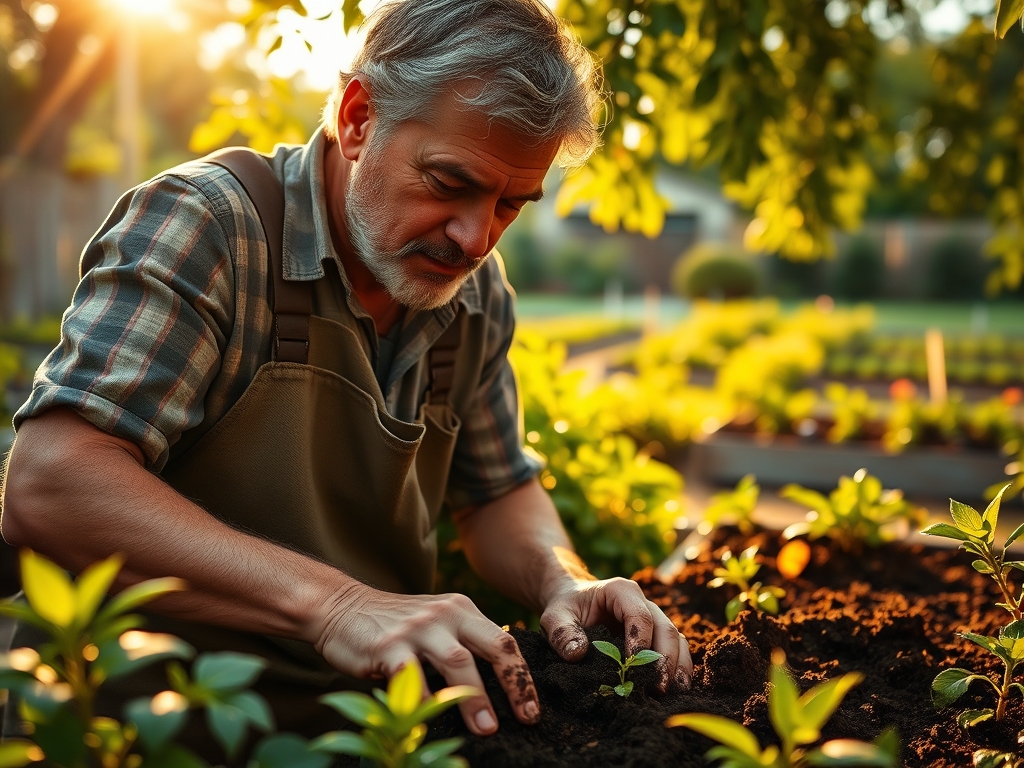
Before the first spray, ensure the plant is established. For seeds, maintain a consistent 70 degree Fahrenheit germination temperature. Once the first true leaves appear, the plant begins its primary metabolic processes.
Pro-Tip: Monitor for phototropism to ensure even growth. Biological Why: Balanced light exposure prevents "leggy" stems, which have thinner cell walls and are more vulnerable to the caustic nature of capsaicin.
Transplanting and Hardening
Move seedlings to the field only after they have developed at least three sets of true leaves. Use a hori-hori knife to ensure the root ball remains intact, preserving the mycorrhizal symbiosis necessary for nutrient uptake.
Pro-Tip: Apply a weak 10 percent concentration of the pepper spray two days before transplanting. Biological Why: This triggers Systemic Acquired Resistance (SAR), a "plant immune response" that prepares the specimen for environmental stressors.
Establishing the Barrier
Once the plant is anchored in the friable loam, begin the full-strength application. Focus on the abaxial surface (underside) of the leaves where many pests congregate.
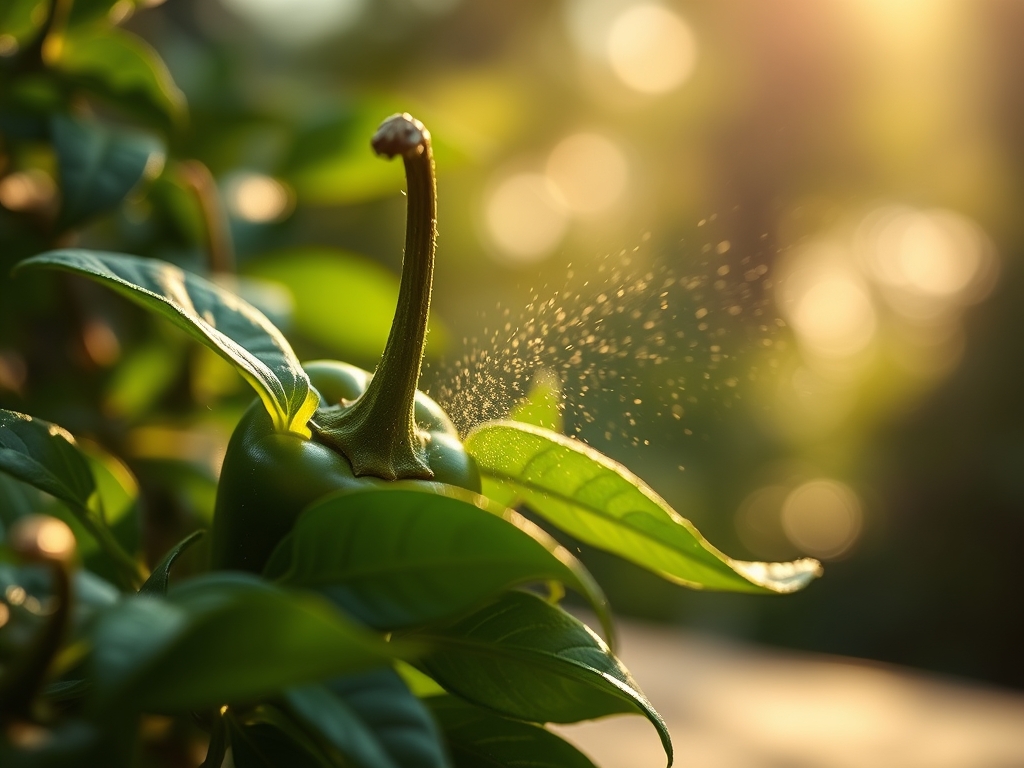
Pro-Tip: Use a pressurized sprayer to achieve a fine mist. Biological Why: Fine droplets increase the surface area coverage, ensuring that the capsaicin interacts with the sensory receptors of the pests without suffocating the leaf's lenticels.
The Clinic:
Even with a rigorous spray schedule, physiological disorders can occur. Use this diagnostic guide to differentiate between pest damage and nutrient issues.
- Symptom: Interveinal chlorosis on older leaves.
- Solution: This indicates Magnesium deficiency. Apply a foliar spray of Epsom salts (1 tablespoon per gallon).
- Symptom: Necrotic spots on leaf margins after spraying.
- Solution: Phytotoxicity from the spray being too concentrated. Dilute the mixture by 50 percent with distilled water.
- Symptom: Yellowing of the youngest leaves (Nitrogen chlorosis).
- Fix-It: Increase the Nitrogen (N) component of your fertilizer to a 10-5-5 ratio for two weeks to stimulate chlorophyll production.
- Symptom: Blossom end rot.
- Fix-It: This is a Calcium transport issue, often caused by inconsistent moisture. Use a soil moisture meter to maintain a steady 15 percent volumetric water content.
Maintenance:
Precision is the hallmark of a master horticulturist. Provide exactly 1.5 inches of water per week at the drip line; avoid overhead irrigation which will wash away the pepper spray residue. Use bypass pruners to remove any yellowing or senescent foliage, as these leaves draw energy away from the developing fruit or flowers.
Check the soil every 48 hours with a soil moisture meter. If the meter reads below a "4" at a depth of 6 inches, initiate deep watering. Re-apply the hot pepper spray every 7 to 10 days, or immediately following a rain event exceeding 0.25 inches. Use a hori-hori knife to excise any competing weeds within a 12-inch radius of the main stem to reduce competition for nitrogen and phosphorus.
The Yield:
Harvesting should occur when the plant reaches peak maturity, indicated by the specific color and firmness of the fruit or flower. For peppers, wait until the fruit achieves its final pigment change (e.g., green to deep red). Use sharp snips to cut the pedicel, leaving 0.5 inches of stem attached to the fruit to prevent moisture loss and pathogen entry.
Post-harvest, handle the produce with gloves to avoid capsaicin transfer to your skin. To maintain "day-one" freshness, store harvested items at 45 to 50 degrees Fahrenheit with a relative humidity of 90 percent. This slows the rate of respiration and senescence, preserving the sugars and acids within the plant tissue.
FAQ:
How often should I apply the spray?
Apply every 7 to 10 days during the active growing season. If a significant rain event occurs, re-apply immediately once the foliage is dry. This maintains a consistent chemical barrier against persistent pests.
Will hot pepper spray hurt my plants?
If applied in temperatures exceeding 85 degrees Fahrenheit, the oils can cause leaf scorch. Always perform a "patch test" on a single leaf and wait 24 hours to observe any signs of tissue necrosis before full application.
Can I use this on edible crops?
Yes, but stop application one week before harvest. Wash all produce thoroughly with a mild acetic acid solution (vinegar and water) to remove any residual capsaicinoids that could affect the flavor profile or cause irritation.
What pests does this spray target?
It is highly effective against aphids, spider mites, and whiteflies. The capsaicin acts as a repellent for larger mammals like rabbits and deer by irritating their mucous membranes, effectively disrupting their feeding patterns.