6 Clever Ways How to Use Cinnamon for Fungus
The scent of damp, anaerobic soil often signals the onset of fungal pathogens that threaten the turgor pressure of a developing seedling. When the rhizosphere becomes oversaturated, opportunistic fungi like Pythium or Rhizoctonia initiate damping-off; a condition that collapses the vascular tissue at the soil line. Learning how to use cinnamon for fungus provides a non-synthetic method to utilize cinnamaldehyde. This organic compound acts as a potent fungicide by inhibiting the mycelial growth of various soil-borne pathogens. A healthy plant maintains a rigid cellular structure through osmotic pressure, but fungal hyphae can quickly compromise this integrity. By integrating finely ground Cinnamomum verum into your horticultural practice, you create a chemical barrier that protects vulnerable root systems without disrupting the delicate balance of beneficial microorganisms in the substrate.
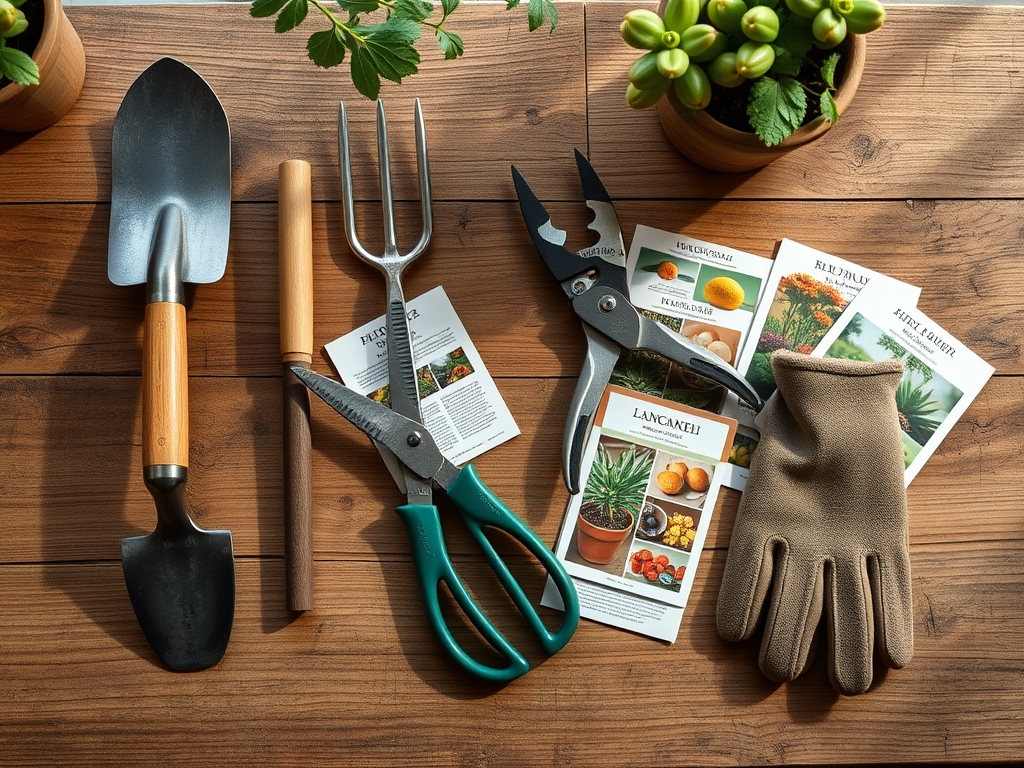
Materials:
To maximize the efficacy of this botanical intervention, the growing medium must be optimized for nutrient availability. The ideal substrate is a **friable loam** with a **pH range of 6.0 to 7.0**. This acidity level ensures that the Cation Exchange Capacity (CEC) remains high; allowing the plant to readily absorb essential cations like Calcium and Magnesium.
The NPK ratio for the base soil should be tailored to the specific growth stage. For initial root development, a 5-10-5 ratio is preferred to prioritize phosphorus for cellular division. For established vegetative growth, transition to a 10-5-5 ratio to support nitrogen-rich chlorophyll production. Ensure the cinnamon used is a high-grade powder, as the concentration of volatile oils determines the success of the fungicidal application.
Timing:
Successful application depends on the environmental variables of your specific Hardiness Zone. In Zones 5 through 7, the primary window for fungal prevention occurs between the last frost date in May and the first heat spike of July. During this period, high humidity levels often exceed 65 percent, creating a breeding ground for spores.
The biological clock of the plant also dictates timing. The transition from the vegetative stage to the reproductive stage is a period of high metabolic stress. During this shift, the plant redirects energy toward flowering or fruiting, often leaving the root system slightly more susceptible to infection. Applying cinnamon treatments during the photoperiod transition ensures the plant remains protected while its internal resources are diverted.
Phases:

Sowing and Seedling Protection
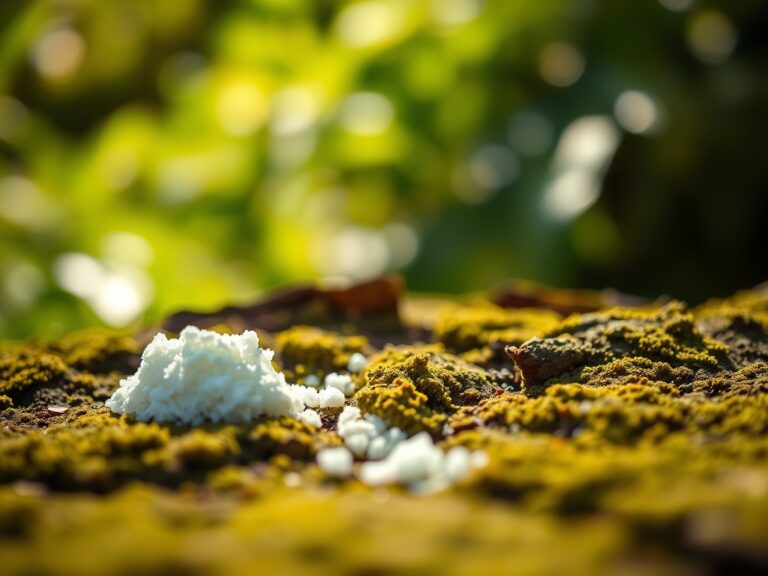
When starting seeds in trays, the risk of damping-off is at its peak. Dust the surface of the sterile seed-starting mix with a light coating of cinnamon immediately after sowing. This creates a prophylactic barrier against surface-level spores.
Pro-Tip: Cinnamon suppresses fungal growth without hindering phototropism. By preventing the formation of a fungal mat on the soil surface, you ensure that the emerging hypocotyl can reach the light source without physical or pathogenic resistance.
Transplanting and Root Integrity
During the transplanting phase, root hairs are often subjected to microscopic abrasions. These wounds are entry points for pathogens. Lightly dust the root ball with cinnamon powder before placing it into the planting hole. This direct application targets the rhizosphere specifically.
Pro-Tip: This method encourages mycorrhizal symbiosis. While cinnamon is toxic to many pathogenic fungi, it does not significantly inhibit the beneficial fungi that assist in nutrient uptake, provided the application is targeted and not saturated.
Establishing Mature Plants
For established perennials or shrubs showing signs of powdery mildew or rust, a liquid suspension is more effective. Mix two tablespoons of cinnamon into one quart of warm water and allow it to steep for 12 hours. Strain the mixture through a fine mesh and apply it as a foliar spray during the early morning hours.
Pro-Tip: Foliar application prevents senescence triggered by disease. By neutralizing spores on the leaf surface, the plant can maintain its photosynthetic rate, preventing the premature yellowing and death of older leaves.
The Clinic:
Identifying physiological disorders versus pathogenic infections is critical for proper treatment.
Symptom: Interveinal chlorosis (yellowing between leaf veins).
Solution: This is likely a Magnesium deficiency. While cinnamon treats the fungus, you must supplement with Epsom salts (Magnesium Sulfate) at a rate of one tablespoon per gallon of water.
Symptom: Soft, brown lesions at the base of the stem.
Solution: This is Damping-Off. Remove the affected plant immediately. Dust the surrounding soil with cinnamon to prevent the spread of spores to adjacent healthy specimens.
Symptom: Stunted growth and purple tint on lower leaves.
Solution: Phosphorus deficiency. This often occurs in cold soils where the CEC is low. Increase the soil temperature and apply a high-phosphorus liquid fertilizer to restore metabolic function.
Fix-It for Nitrogen Chlorosis: If the entire leaf turns a pale lime green, the plant lacks Nitrogen. Apply a blood meal supplement or a 20-0-0 fertilizer to quickly boost chlorophyll synthesis.
Maintenance:
Precision in irrigation is the most effective way to support the cinnamon treatment. Provide 1.5 inches of water per week delivered directly at the drip line. Avoid overhead watering, as moisture on the foliage encourages spore germination.
Utilize a soil moisture meter to ensure the substrate remains at a consistent 40 to 50 percent moisture capacity. When pruning away infected tissue, always use sharp bypass pruners to ensure clean cuts that heal quickly. For weeding around the base of the plant without disturbing the cinnamon barrier, a hori-hori knife allows for deep extraction of taproots with minimal soil displacement.
The Yield:
When harvesting crops that have been treated with cinnamon, timing is essential for peak brix levels (sugar content). Harvest in the cool of the early morning when turgor pressure is highest. For flowers, cut the stems at a 45-degree angle and submerge them in water immediately to prevent air embolisms in the xylem.
To maintain day-one freshness, store harvested produce in a high-humidity environment at 40 degrees Fahrenheit. This slows the respiration rate and prevents the degradation of cellular structures. If cinnamon residue remains on the harvest, a simple rinse with a 1 percent vinegar solution will remove the powder without affecting the flavor or quality.
FAQ:
Can I use cinnamon for indoor potted plants?
Yes. Dusting the soil surface of indoor plants controls fungus gnats and surface mold. Apply a thin layer every three weeks or after the top inch of soil has dried completely to maintain a sterile surface environment.
Will cinnamon kill beneficial soil bacteria?
No. Cinnamon is selectively antifungal due to its cinnamaldehyde content. It does not possess broad-spectrum antibacterial properties that would significantly harm the nitrogen-fixing bacteria or other beneficial microbes residing in the lower soil profiles of the rhizosphere.
How often should I reapply cinnamon to my garden?
Reapply after every significant rainfall event or heavy irrigation cycle. Water washes away the volatile oils and physical powder. For preventative maintenance, a light dusting every 14 days during the peak humid season is sufficient.
Is cinnamon safe for all types of seedlings?
Most seedlings tolerate cinnamon well. However, avoid heavy application on extremely small seeds like begonias or petunias. Excessive powder can create a physical crust that prevents the delicate radicle from penetrating the soil surface during the germination phase.