5 Essential Best Child Safe Plants
Damp earth releases geosmin as the spade turns the topsoil. The scent signals a healthy rhizosphere where microbial activity is at its peak. A high turgor pressure within the stem of a Boston Fern or a Spider Plant indicates a robust vascular system capable of withstanding the tactile curiosity of young children. Selecting the best child safe plants requires more than just checking a non-toxic list; it demands an understanding of botanical resilience and physiological safety. A garden or indoor space must balance aesthetic density with chemical security. We prioritize species like Chlorophytum comosum and Nephrolepis exaltata because they lack raphides or toxic alkaloids that trigger emetic responses. These plants provide a structural foundation for a safe environment while maintaining high rates of transpiration and carbon sequestration. Every selection in this guide is vetted for its lack of dermal irritants and its ability to thrive in standard residential humidity levels. We focus on the intersection of horticultural vigor and pediatric safety to ensure the growing environment remains a site of exploration rather than a biological hazard.
Materials:
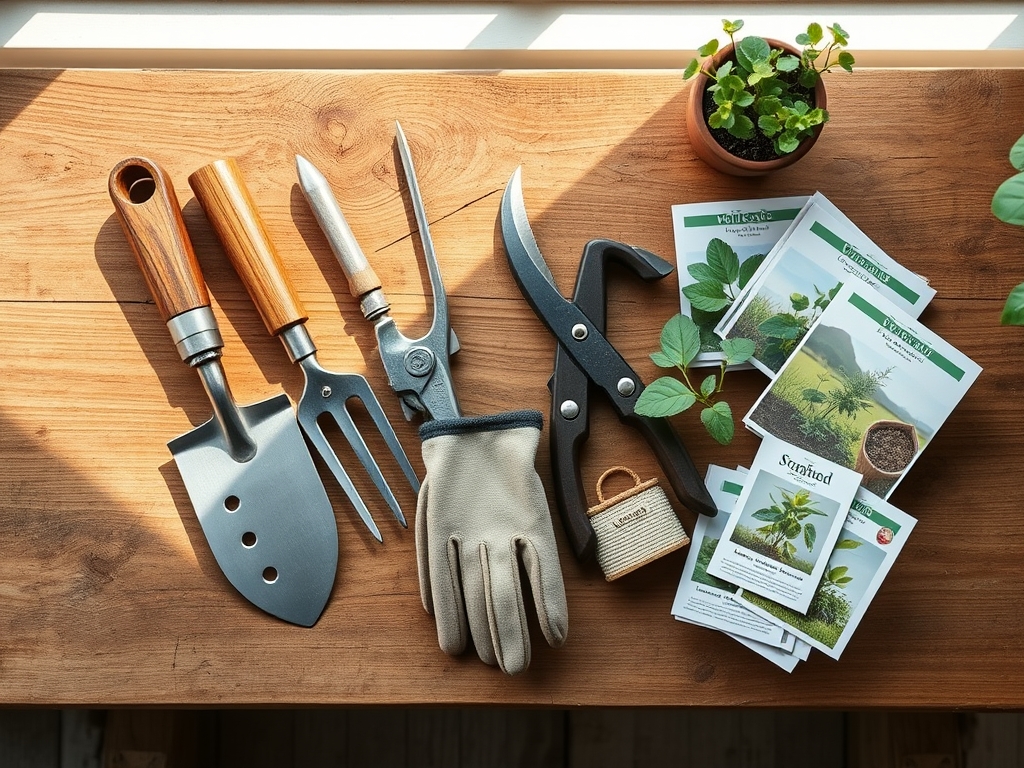
The foundation of a safe indoor garden starts with a friable loam that allows for rapid root expansion. For the best child safe plants, utilize a substrate with a **pH range between 6.0 and 7.0** to optimize nutrient availability. High Cation Exchange Capacity (CEC) is essential for retaining minerals like potassium and magnesium.
- Spider Plant (Chlorophytum comosum): Requires a well-draining peat-perlite mix. Target an NPK ratio of 10-10-10 during the active growing season.
- Boston Fern (Nephrolepis exaltata): Thrives in a high-organic-matter substrate with a pH of 5.0 to 5.5. Use a 20-10-20 water-soluble fertilizer at half strength.
- African Violet (Saintpaulia): Needs a porous, soilless mix of sphagnum peat moss and vermiculite. Maintain a 12-36-14 NPK ratio to encourage floriferous cycles.
- Swedish Ivy (Plectranthus verticillatus): Prefers a sandy loam with an NPK ratio of 10-15-10 to support rapid stem elongation.
- Christmas Cactus (Schlumbergera): Requires a specialized epiphytic mix. Use a 0-15-10 fertilizer in late autumn to trigger bud initiation.
Timing:
Most child safe indoor species are perennial in Hardiness Zones 9 through 11 but must remain indoors in cooler climates. The "Biological Clock" of these plants is governed by photoperiodism. For instance, the Schlumbergera requires 12 to 14 hours of total darkness for six weeks to transition from the vegetative stage to the reproductive (flowering) stage.
Sowing should occur in early spring when ambient light levels reach 1,000 to 1,500 foot-candles. Avoid transplanting during the winter senescence, as metabolic rates drop and root recovery is sluggish. Monitor the frost-date windows in your specific region; even indoor plants can suffer from "cold pockets" near single-pane glass when outdoor temperatures drop below 32 degrees Fahrenheit.
Phases:

Sowing and Propagation
Start seeds or offsets in a humidity dome maintained at 75 degrees Fahrenheit. For Spider Plants, clip the "spiderettes" once they develop initial root primordia at the base of the plantlet. Place them in a sterile medium to prevent damping-off caused by Pythium fungi.
Pro-Tip: Utilize the principle of auxin suppression by pinching off the terminal buds of Swedish Ivy. This redirects growth hormones to lateral buds, creating a bushier, more compact plant that is less likely to be knocked over by children.
Transplanting
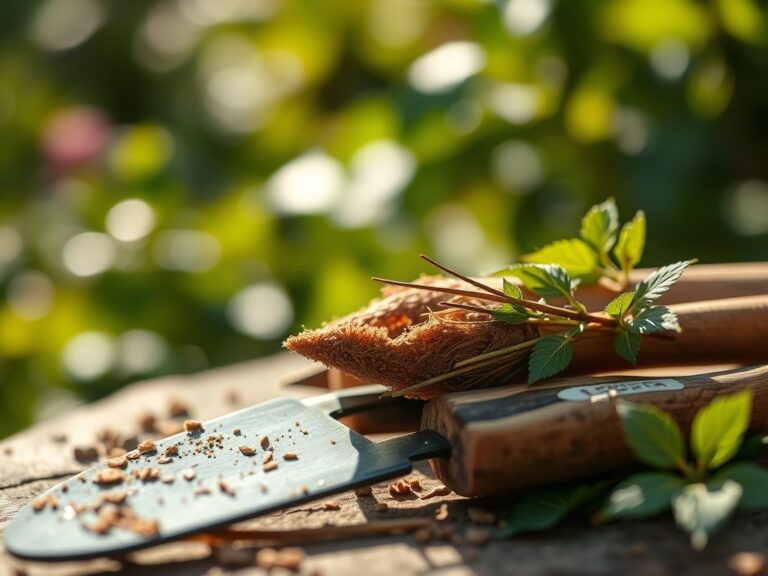
Move specimens when the root ball occupies 90 percent of the current container volume. Use a hori-hori knife to gently tease out circling roots. This prevents "root girdling," which can lead to vascular strangulation as the plant matures. Ensure the new container is only 2 inches wider than the previous one to prevent "wet feet" caused by excess soil holding too much moisture.
Pro-Tip: Inoculate the root zone with mycorrhizal fungi during transplanting. This symbiotic relationship extends the root system's reach, improving phosphorus uptake and increasing the plant's resistance to drought stress.
Establishing
During the first 21 days post-transplant, maintain high humidity and consistent soil moisture. Monitor the turgor pressure in the leaves; wilting during this phase often indicates transplant shock rather than a lack of water. Avoid heavy fertilization until new apical growth is visible, signifying that the root system has integrated with the new substrate.
Pro-Tip: Observe phototropism by rotating the plant 90 degrees every week. This ensures even distribution of light across all leaf surfaces, preventing the plant from becoming leggy or leaning toward the light source.
The Clinic:
Physiological disorders often mimic pest damage. Accurate diagnosis is required before intervention.
- Symptom: Yellowing of lower leaves (Chlorosis).
- Cause: Nitrogen deficiency or overwatering.
- Fix-It: Apply a high-nitrogen liquid fertilizer (24-8-16) and reduce irrigation frequency. Ensure the pot has adequate drainage holes.
- Symptom: Brown, crispy leaf tips.
- Cause: Low humidity or fluoride toxicity (common in Spider Plants).
- Fix-It: Use distilled water or rainwater. Increase ambient humidity to 50 percent using a humidifier.
- Symptom: Interveinal chlorosis on new growth.
- Cause: Iron or Manganese deficiency, often due to high soil pH.
- Fix-It: Apply chelated iron and test the soil pH to ensure it has not drifted above 7.5.
- Symptom: Dropping of unopened flower buds.
- Cause: Ethylene gas exposure or sudden temperature fluctuations.
- Fix-It: Move the plant away from ripening fruit or drafty doors. Maintain a steady 65-75 degree environment.
Maintenance:
Precision is the hallmark of a master horticulturist. Provide 1.5 inches of water per week for moisture-loving species like the Boston Fern. Use a soil moisture meter to verify that the top 2 inches of soil have dried before re-irrigating succulents or Christmas Cacti.
Pruning should be performed with sterilized bypass pruners to ensure clean cuts that heal quickly. Remove any necrotic tissue or yellowing leaves to prevent the spread of opportunistic pathogens. For indoor plants, dust the leaf surfaces monthly with a damp cloth; accumulated particulate matter can reduce photosynthetic efficiency by up to 30 percent. Monitor for common hitchhikers like fungus gnats by placing yellow sticky traps near the soil surface.
The Yield:
While these plants are primarily ornamental, the "yield" is the production of oxygen and the removal of Volatile Organic Compounds (VOCs) like formaldehyde. For flowering species like the African Violet, harvest spent blooms by pinching the pedicel at the base. This prevents the plant from diverting energy into seed production, a process known as deadheading, which extends the flowering duration. If you are propagating Spider Plants for gifts, wait until the plantlets have at least four primary roots measuring 1 inch in length before detaching them from the mother plant. This ensures "day-one" freshness and immediate establishment in new media.
FAQ:
Which plant is best for low-light rooms?
The Spider Plant (Chlorophytum comosum) adapts well to light levels as low as 50 to 100 foot-candles, though growth will slow. It remains non-toxic and safe for areas with minimal natural illumination.
How often should I fertilize child safe plants?
During the active growing season (spring and summer), apply a balanced fertilizer every 4 to 6 weeks. Reduce or eliminate feeding during the winter months when the plant enters a period of metabolic dormancy.
Is the Boston Fern difficult to maintain?
It requires consistent moisture and high humidity above 50 percent. If the fronds turn brown and shed, it usually indicates the air is too dry or the soil has desiccated completely.
Are these plants safe if a child bites a leaf?
The plants listed are classified as non-toxic by the ASPCA and pediatric toxicologists. While they may cause mild stomach upset if ingested in large quantities, they do not contain systemic poisons or sharp calcium oxalate crystals.