6 Simple Steps to Freeze Basil Cubes
The scent of fresh basil disappears within hours of harvest, but the steps to freeze basil cubes preserve peak flavor for eight months or longer. Commercial herb processors use flash-freezing tunnels that cost thousands of dollars. Home gardeners achieve nearly identical results with ice cube trays, filtered water, and careful attention to leaf-to-liquid ratios. Each frozen cube delivers concentrated essential oils, primarily linalool and eugenol, directly into winter soups and sauces. The steps to freeze basil cubes require no blanching, no specialized equipment, and minimal counter space.
Materials
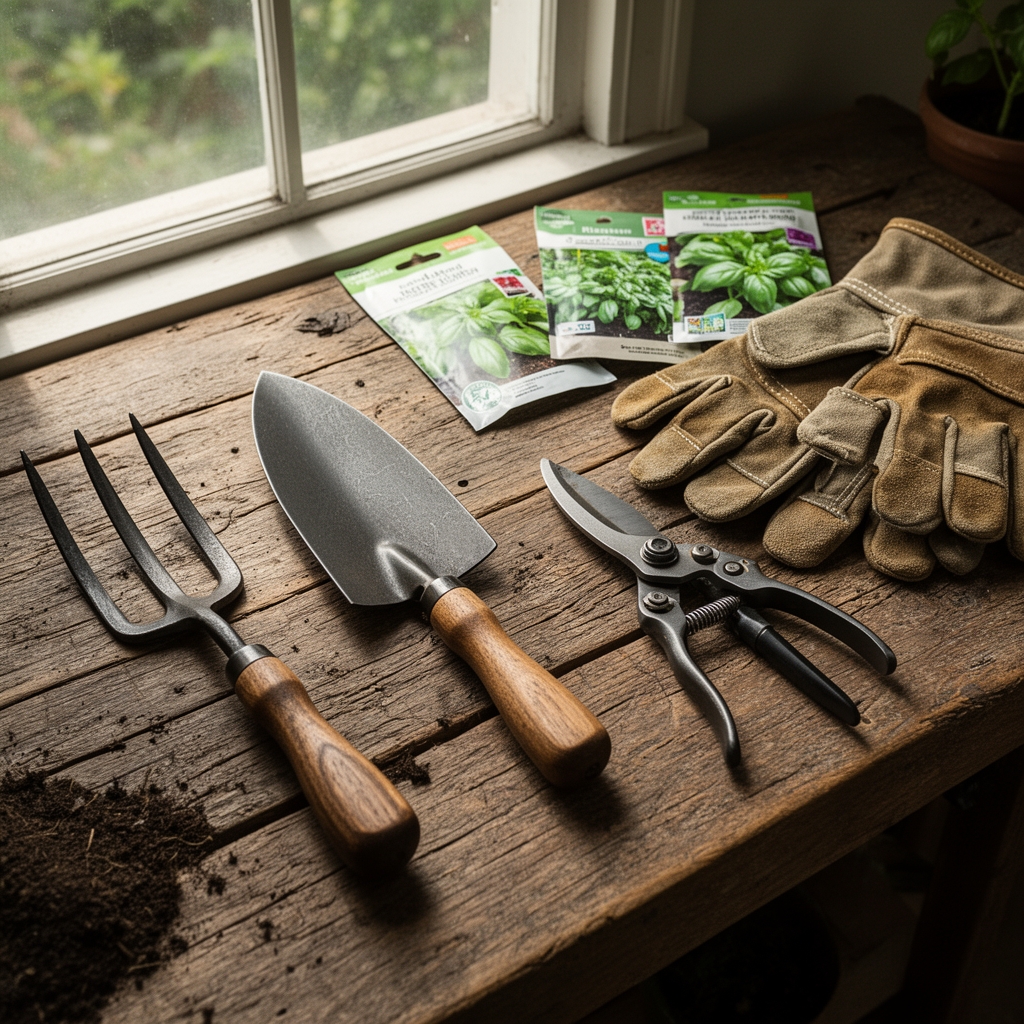
Begin with mature basil leaves harvested before flower initiation. Plants grown in soil amended with 4-4-4 organic meal produce higher concentrations of volatile compounds than those fed synthetic nitrogen sources. The ideal substrate maintains a pH between 6.0 and 7.0, supporting optimal cation exchange capacity for calcium and magnesium uptake.
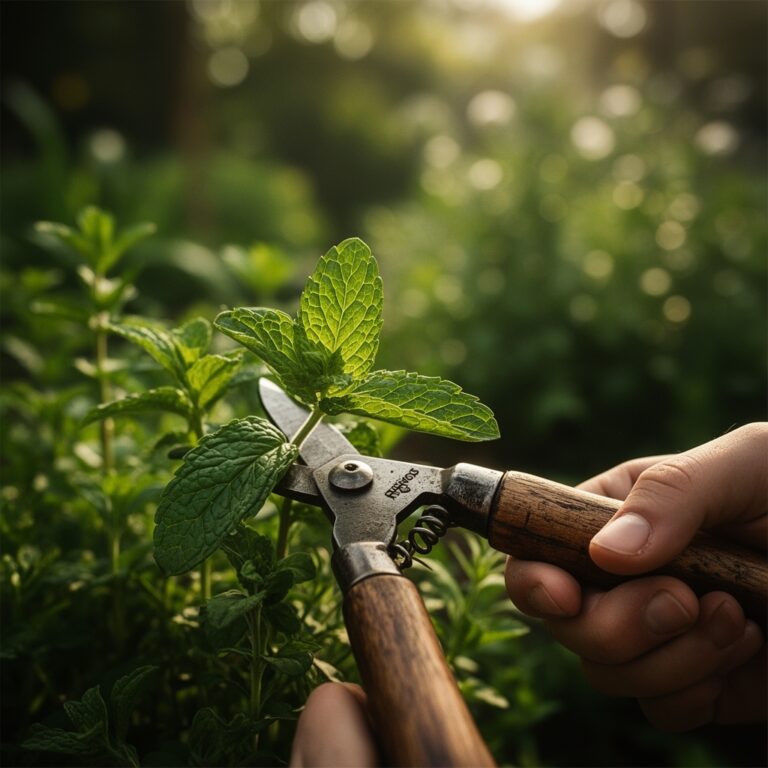
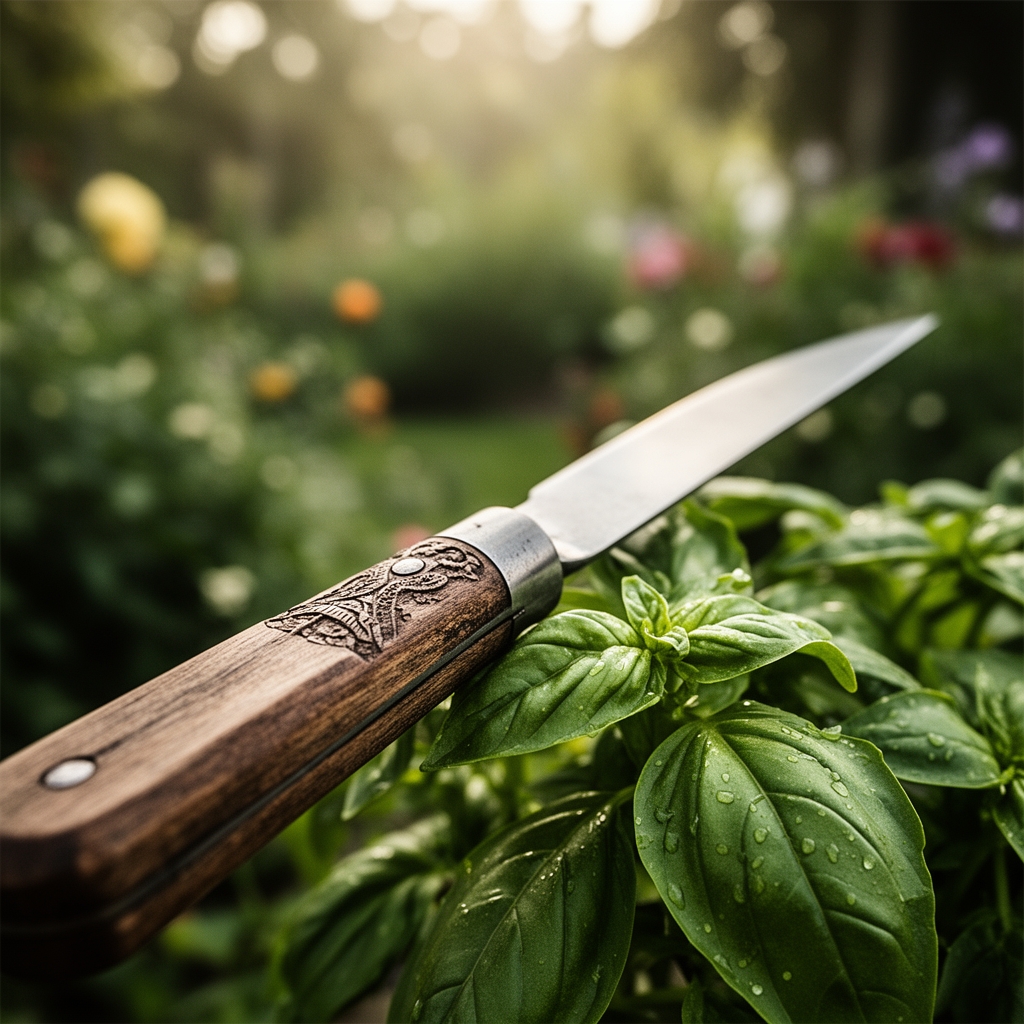
Standard silicone ice cube trays with 1-ounce wells work best. Avoid aluminum trays, which react with polyphenol compounds in basil leaves. A sharp chef's knife or stainless steel herb scissors prevent cell wall crushing that releases oxidative enzymes. Use filtered or distilled water to eliminate chlorine, which degrades chlorophyll and accelerates browning.
Keep parchment paper and freezer-safe storage bags rated for temperatures down to -10 degrees Fahrenheit on hand. A kitchen scale measuring in 0.1-gram increments ensures consistent cube potency. Two tablespoons of chopped basil per ounce of water creates a balanced flavor concentration.
Timing
Harvest basil between 8:00 and 10:00 AM, after dew evaporates but before afternoon heat volatilizes essential oils. In USDA Hardiness Zones 5 through 7, the optimal harvest window extends from mid-June through the first frost warning, typically late September. Zones 8 through 10 support year-round harvesting, though plants grown under photoperiods shorter than 12 hours produce 30 percent fewer aromatic compounds.
Process leaves within two hours of cutting. Enzymatic degradation begins immediately after harvest, reducing methyl chavicol content by 15 percent every hour at room temperature. Delay increases polyphenol oxidase activity, causing the characteristic blackening home cooks associate with poor-quality frozen herbs.
Phases
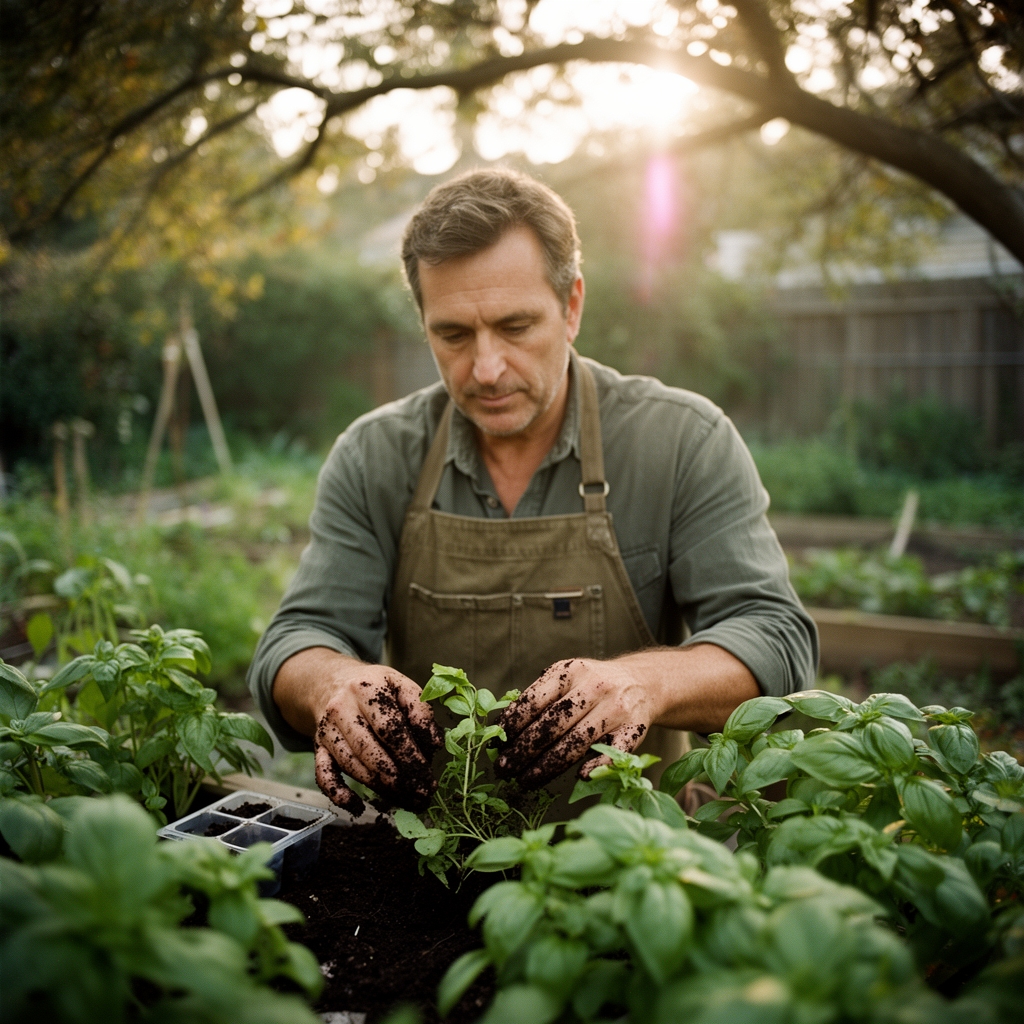
Preparation Phase
Rinse basil leaves under cool running water at 65 degrees Fahrenheit. Pat completely dry using lint-free towels or a salad spinner operated for 20 seconds. Residual moisture dilutes essential oil concentration and forms excess ice crystals.
Remove stems thicker than 2 millimeters. Stems contain higher concentrations of lignin and bitter terpenes. Stack five to seven leaves, roll tightly, and slice into 3-millimeter ribbons using a rocking motion. Avoid crushing or bruising, which ruptures oil glands prematurely.
Pro-Tip: Leaves harvested from plants inoculated with Rhizophagus irregularis mycorrhizal fungi at transplanting contain 22 percent more camphor and 18 percent more eucalyptol than uninoculated controls.
Assembly Phase
Pack each ice cube well two-thirds full with chopped basil. Press gently to eliminate air pockets but avoid compacting. Add filtered water until liquid reaches 2 millimeters below the rim. Overfilling causes spillage during the expansion that occurs as water transitions to ice.
Tap the tray firmly on the counter three times to release trapped air bubbles. Air exposure increases oxidation rates during storage. Place trays on a level freezer shelf away from the door, where temperature fluctuations exceed 5 degrees with each opening.
Pro-Tip: Adding 1/8 teaspoon of ascorbic acid powder per tray reduces oxidative browning by 40 percent without altering flavor profiles.
Extraction Phase
Allow cubes to freeze for 12 hours at 0 degrees Fahrenheit or below. Flex silicone trays to release cubes. For rigid plastic trays, run warm water over the bottom surface for five seconds, then invert and twist.
Transfer cubes immediately to freezer bags, pressing out excess air before sealing. Label bags with harvest date and basil variety. Genovese, Thai, and lemon basil contain distinct terpene profiles that affect culinary applications.
Pro-Tip: Store bags flat in single layers for the first 24 hours. This prevents cubes from fusing into irregular blocks that require thawing entire batches.
Troubleshooting
Symptom: Brown or black discoloration after freezing.
Solution: Blanch leaves for eight seconds in boiling water, then shock in ice water before chopping. This deactivates polyphenol oxidase while preserving 85 percent of volatile compounds.
Symptom: Cubes taste bitter or soapy.
Solution: Harvest before plants bolt. Once flower buds form, auxin distribution shifts from leaves to reproductive structures, increasing bitter saponin production by 60 percent.
Symptom: Weak flavor after three months of storage.
Solution: Reduce freezer temperature to -10 degrees Fahrenheit. Essential oils sublimate slowly at temperatures above 10 degrees, losing 8 percent potency monthly.
Symptom: Ice crystals separate from plant material.
Solution: Increase chopping fineness to 2-millimeter pieces. Smaller particles distribute more evenly, trapping water molecules within the leaf matrix during freezing.
Maintenance
Use cubes within eight months for peak flavor retention. After this point, monoterpene compounds degrade at accelerating rates. Store cubes in opaque bags to prevent light-induced chlorophyll breakdown.
Freezer temperature should remain constant at 0 degrees Fahrenheit. Each freeze-thaw cycle reduces essential oil content by 12 percent. Avoid storing cubes near frequently accessed items.
Add frozen cubes directly to hot preparations without thawing. Thawing releases cellular fluids that carry water-soluble flavor compounds down the drain. One cube equals approximately two tablespoons of fresh chopped basil.
FAQ
How many basil plants do I need for 50 cubes?
Three mature plants with 8-inch canopies yield sufficient foliage. Pinch terminal buds bi-weekly to promote lateral branching and increase harvestable leaf mass by 40 percent.
Can I mix basil with other herbs in one cube?
Yes, but adjust ratios carefully. Oregano and thyme contain carvacrol, which dominates lighter basil notes. Use a 3:1 basil-to-oregano ratio to maintain balanced flavor.
Do I need to add oil instead of water?
Olive oil suspensions work for sauteing applications but prevent even distribution in liquids. Oil-based cubes also transfer rancid flavors after four months as unsaturated fatty acids oxidize.
Will freezing damage cell walls?
Ice crystal formation ruptures approximately 30 percent of cell walls. This damage is irrelevant for culinary use, as cooking similarly disrupts cellular structure. Frozen basil is unsuitable for fresh garnishes.
Can I freeze basil flowers?
Flowers contain 40 percent less essential oil than leaves but add visual appeal to compound butters. Freeze whole in single layers on parchment, then transfer to containers.