7 Vital Steps to Clip Fresh Herbs
The scent of basil crushed between fingertips announces summer even before the solstice. Harvesting herbs correctly preserves their essential oil concentration and promotes bushier regrowth throughout the season. Understanding the proper steps to clip fresh herbs transforms a casual snip into a strategic intervention that strengthens the plant's vascular architecture. The technique differs by species, but seven core principles govern all successful herb harvests. Morning timing, sterilized tools, and targeted cut placement determine whether your basil doubles its yield or succumbs to bacterial wilt by August.
Materials
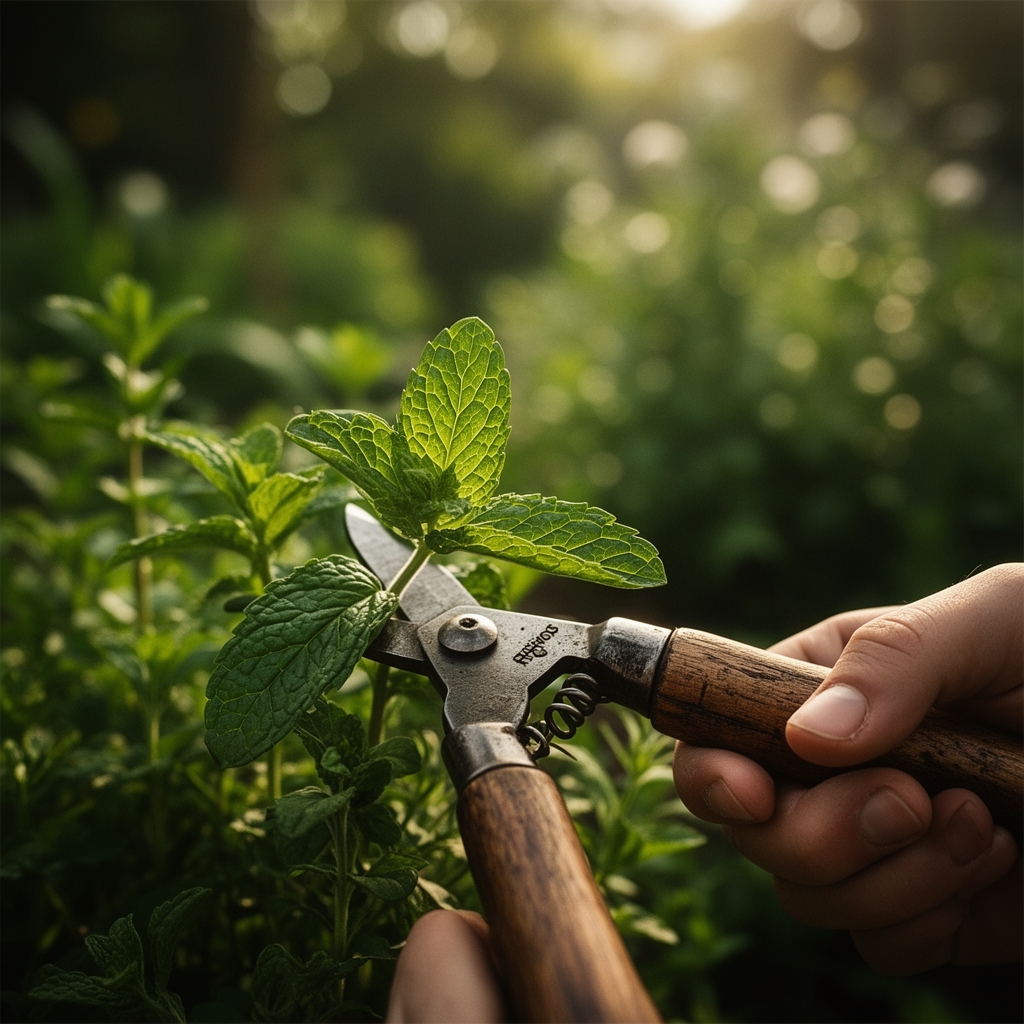
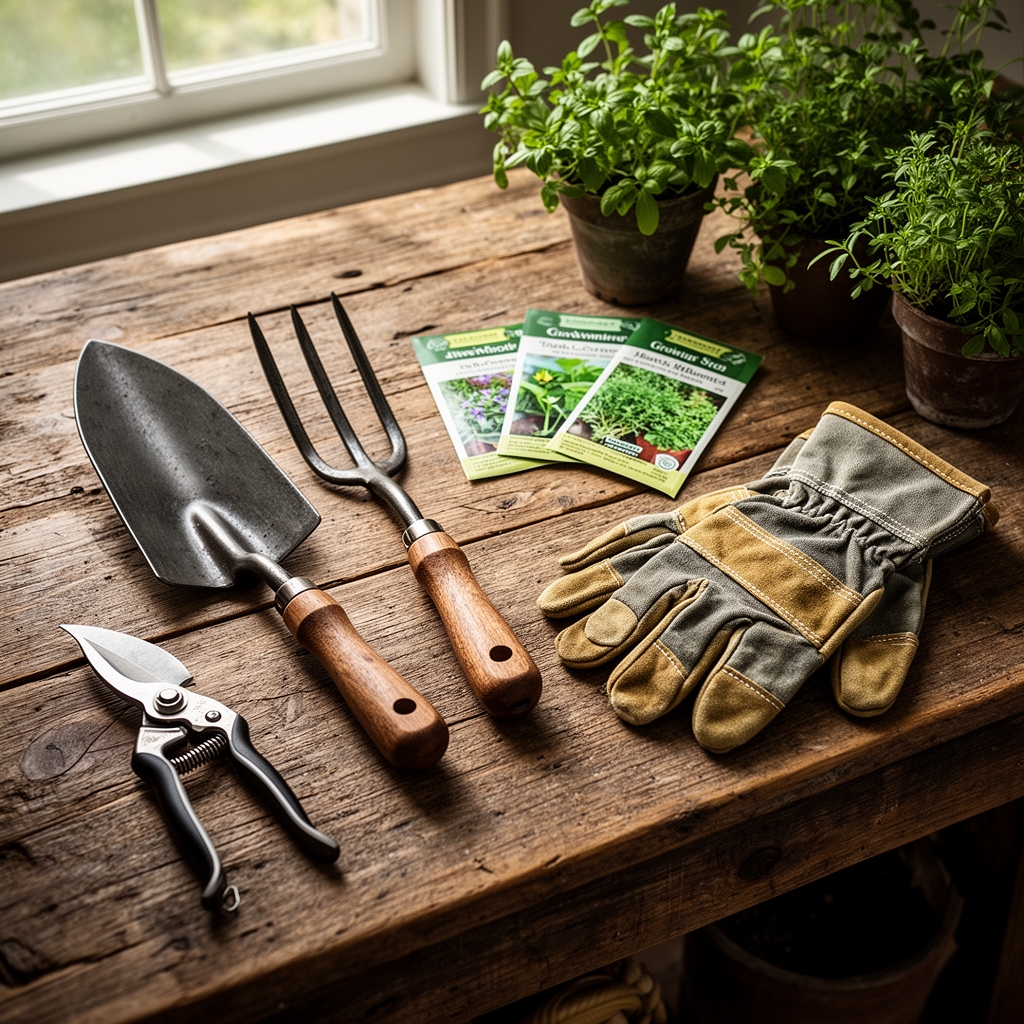
Equip yourself with bypass pruners that create clean cuts rather than anvil-style crushers that damage stem tissue and invite infection. Sterilize blades between plants using 70% isopropyl alcohol to prevent cross-contamination of fungal spores. A collecting basket lined with damp cloth maintains turgidity in cut stems during transport.
Soil amendments directly influence leaf flavor intensity. Apply a balanced 4-4-4 organic fertilizer (blood meal, bone meal, and greensand) at transplanting to establish robust root systems without forcing excessive vegetative growth. Maintain soil pH between 6.0 and 7.0 for optimal nutrient availability. Cation exchange capacity matters: clay-loam soils with CEC values above 15 meq/100g retain calcium and magnesium, minerals that concentrate terpenes in aromatic herbs. Supplement monthly with fish emulsion (5-1-1 NPK) during active growth to support continuous leaf production without nitrogen toxicity.
Timing
Hardiness zones dictate transplant dates. In Zones 7-9, set out tender perennials like rosemary after the last spring frost, typically mid-April. Zones 3-6 gardeners wait until soil temperatures reach 60°F, usually late May. Annuals such as basil require nighttime temperatures above 50°F; premature planting triggers stress-induced bolting.
Harvest herbs before flower buds open. Once reproductive structures form, the plant redirects auxin distribution from leaf production to seed development. Essential oil concentration peaks in mid-morning, between 8:00 and 10:00 AM, after dew evaporates but before afternoon heat volatilizes aromatic compounds. Moon phases show negligible correlation with oil content despite folklore claims.
Phases
Sowing: Direct-seed parsley, cilantro, and dill because their taproots resent transplant disturbance. Sow seeds 1/4 inch deep in rows spaced 8 inches apart. Germination requires consistent moisture: water daily until seedlings emerge, typically 14-21 days. Thin to 6-inch spacing once true leaves develop.
Pro-Tip: Inoculate seed furrows with mycorrhizal fungi (Rhizophagus irregularis) at 1 teaspoon per linear foot. The symbiotic relationship increases phosphorus uptake by 300%, strengthening cell walls against mechanical damage during harvest.
Transplanting: Harden off greenhouse-started seedlings over 7 days by gradually increasing sun exposure. Dig holes twice the root ball width. Set transplants at the same depth they grew in containers; burying stems invites crown rot in Mediterranean species like oregano and thyme. Water with diluted seaweed extract (1 tablespoon per gallon) to stimulate root hair development.
Pro-Tip: Position basil transplants 12 inches apart in north-south rows. This spacing optimizes light penetration to lower leaf nodes, promoting lateral branching from axillary buds.
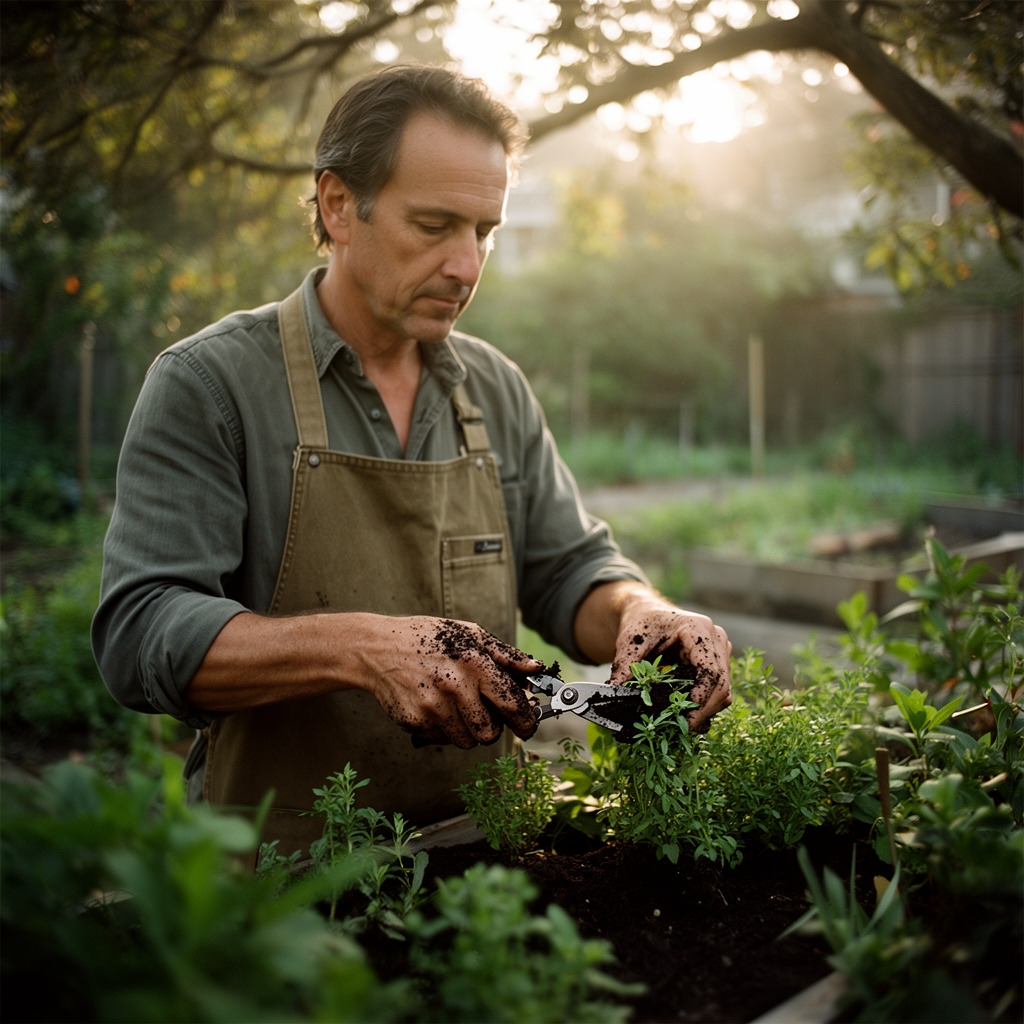
Establishing: First harvest occurs when plants reach 6 inches height with at least six leaf sets. Remove no more than one-third of total foliage to avoid shocking the vascular system. Make cuts at 45-degree angles 1/4 inch above a leaf node. The angled cut sheds water and reduces rot risk. Auxin concentrates at remaining nodes, triggering rapid lateral shoot formation.
Pro-Tip: Pinch terminal buds on basil every 10 days during establishment. This mechanical intervention redistributes growth hormones, forcing the plant into a compact, high-yielding form rather than a leggy, single-stem structure.
Troubleshooting
Symptom: Yellowing lower leaves with green veins (interveinal chlorosis). Solution: Iron deficiency caused by alkaline pH. Drench soil with chelated iron (Fe-EDDHA) at 1 tablespoon per gallon. Sulfur amendments lower pH over 8-12 weeks.
Symptom: Black spots on basil leaves spreading from margins inward. Solution: Pseudomonas cichorii bacterial leaf spot. Remove infected tissue. Apply copper fungicide (1.5% metallic copper) at 7-day intervals. Increase air circulation to 3 mph minimum.
Symptom: White cottony masses at stem nodes. Solution: Mealybug infestation. Spray with insecticidal soap (potassium salts of fatty acids at 2% concentration). Release Cryptolaemus montrouzieri beetles at 5 per plant.
Symptom: Wilting despite moist soil. Solution: Fusarium wilt (Fusarium oxysporum). No cure exists. Remove and destroy infected plants. Solarize soil under clear plastic for 6 weeks to raise temperature to 140°F, killing soilborne propagules.
Maintenance
Water herbs to 1 inch per week, delivered in two deep soakings rather than daily sprinkles. Shallow watering encourages surface roots vulnerable to drought. Mulch with 2 inches of shredded hardwood bark to stabilize soil temperature and suppress weeds. Replenish every 6 weeks as decomposition depletes the layer.
Prune woody perennials like sage and rosemary in early spring, removing one-third of old growth to stimulate new shoots. Avoid cutting into bare wood on rosemary; growth buds rarely break from stems older than two years.
FAQ
When is the best time of day to harvest herbs? Mid-morning between 8:00 and 10:00 AM, after dew dries but before heat reduces essential oil concentration.
How much can I harvest without harming the plant? Remove no more than one-third of total foliage at any single harvest. More aggressive cutting depletes carbohydrate reserves.
Should I wash herbs immediately after cutting? No. Moisture accelerates enzymatic breakdown. Brush off debris and refrigerate unwashed. Rinse only before use.
Why does my basil taste bitter? Plants stressed by drought, heat above 90°F, or flowering produce elevated levels of estragole and eugenol, compounds perceived as bitter.
Can I harvest herbs after frost? Tender annuals die at 32°F. Harvest remaining foliage before the first frost date. Hardy perennials like thyme tolerate light frost but lose peak flavor.