6 Simple Ways How to Make Dill Pickles
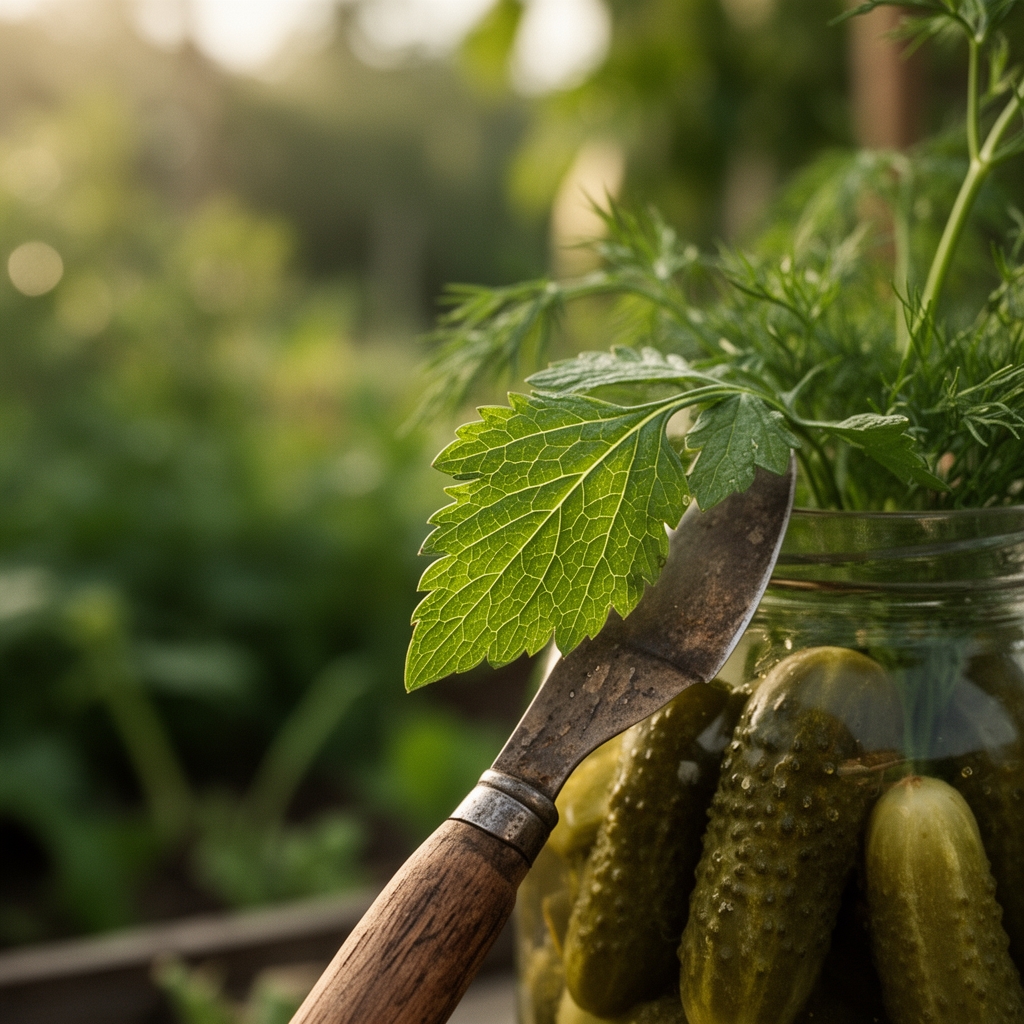
The snap of a cold, brine-soaked cucumber between your teeth delivers salt, garlic, and the floral sharpness of dill seed in one clean bite. This satisfaction begins months earlier in the garden, where learning how to make dill pickles starts with cultivating Cucumis sativus for pickling and Anethum graveolens for fragrant umbels. The fermentation vessel is merely the final stage. The true craft lies in soil preparation, variety selection, and harvest timing that preserves cell-wall integrity for the perfect crunch.
Materials
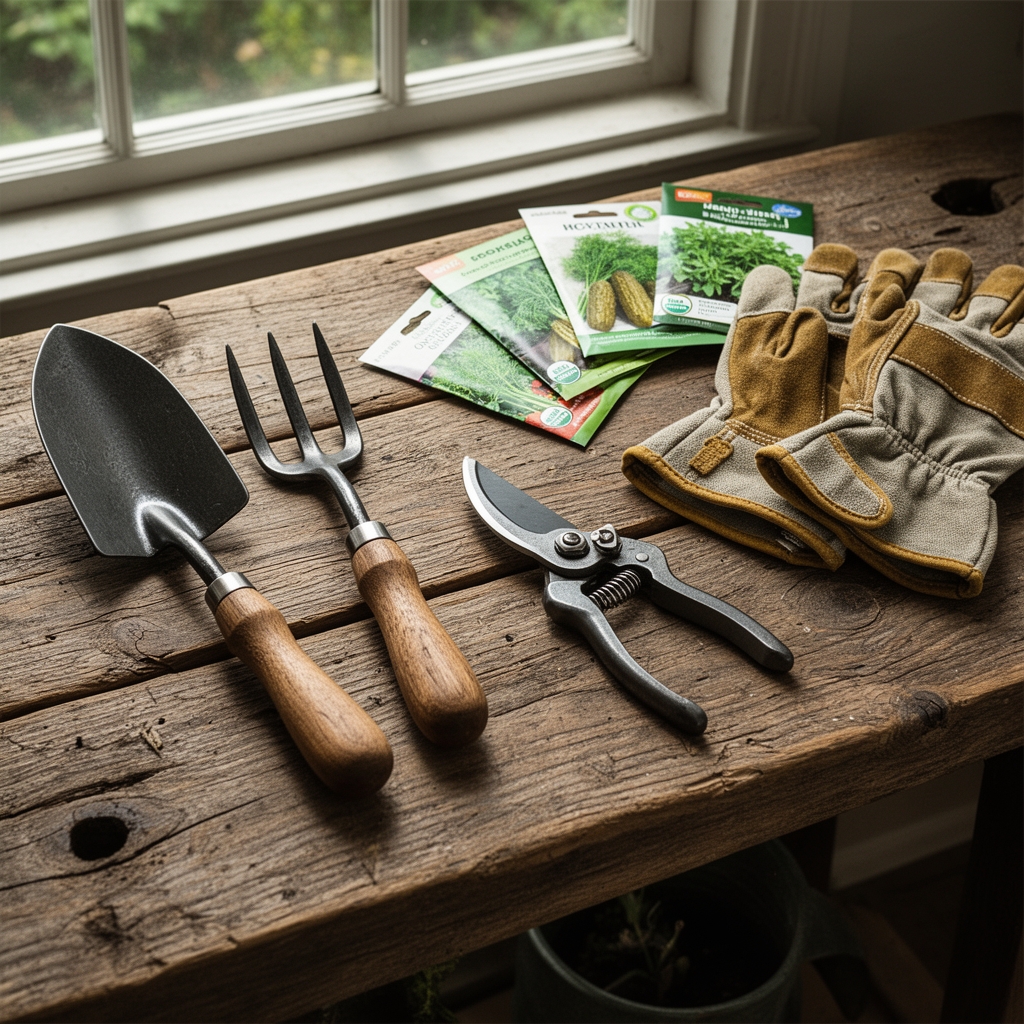
Begin with soil amendments that support both cucumber and dill cultivation. Apply a balanced 4-4-4 organic fertilizer at 2 pounds per 100 square feet two weeks before planting. Cucumbers demand a soil pH between 6.0 and 6.8 for optimal calcium uptake, which directly affects pickle firmness. Incorporate 3 inches of well-aged compost to improve cation exchange capacity and water retention.
For pickling cucumbers, select bush varieties like 'Homemade Pickles' or vining types such as 'Boston Pickling.' These cultivars produce fruit with smaller seed cavities and thicker flesh walls. Dill seed packets should specify "Bouquet" or "Long Island Mammoth" strains, which mature seed heads in 60 to 70 days.
Inoculate beds with mycorrhizal fungi at transplant time. Glomus intraradices colonizes cucumber roots efficiently, extending phosphorus acquisition by 40 percent compared to uninoculated controls. Purchase pickling salt without iodine or anti-caking agents; these additives cloud brine and inhibit Lactobacillus populations during fermentation.
Timing
Plant cucumbers after the last frost date when soil temperatures reach 65°F at 4-inch depth. In Zone 5, this window opens mid-May. Zone 7 gardeners transplant by late April. Cucumbers abort flowers below 60°F night temperatures, delaying harvest.
Direct-sow dill seeds three weeks before cucumber transplant. Dill germinates in 7 to 14 days at 60°F to 70°F. Staggered sowings every three weeks ensure continuous umbel availability through cucumber production.
Plan harvest 50 to 60 days post-transplant for pickling cucumbers. Fruits reach ideal size at 3 to 4 inches long. Dill seed heads mature when half the umbel turns brown. Synchronize these timelines by transplanting cucumbers April 25 in Zone 7 and sowing dill April 5.
Phases
Sowing Phase
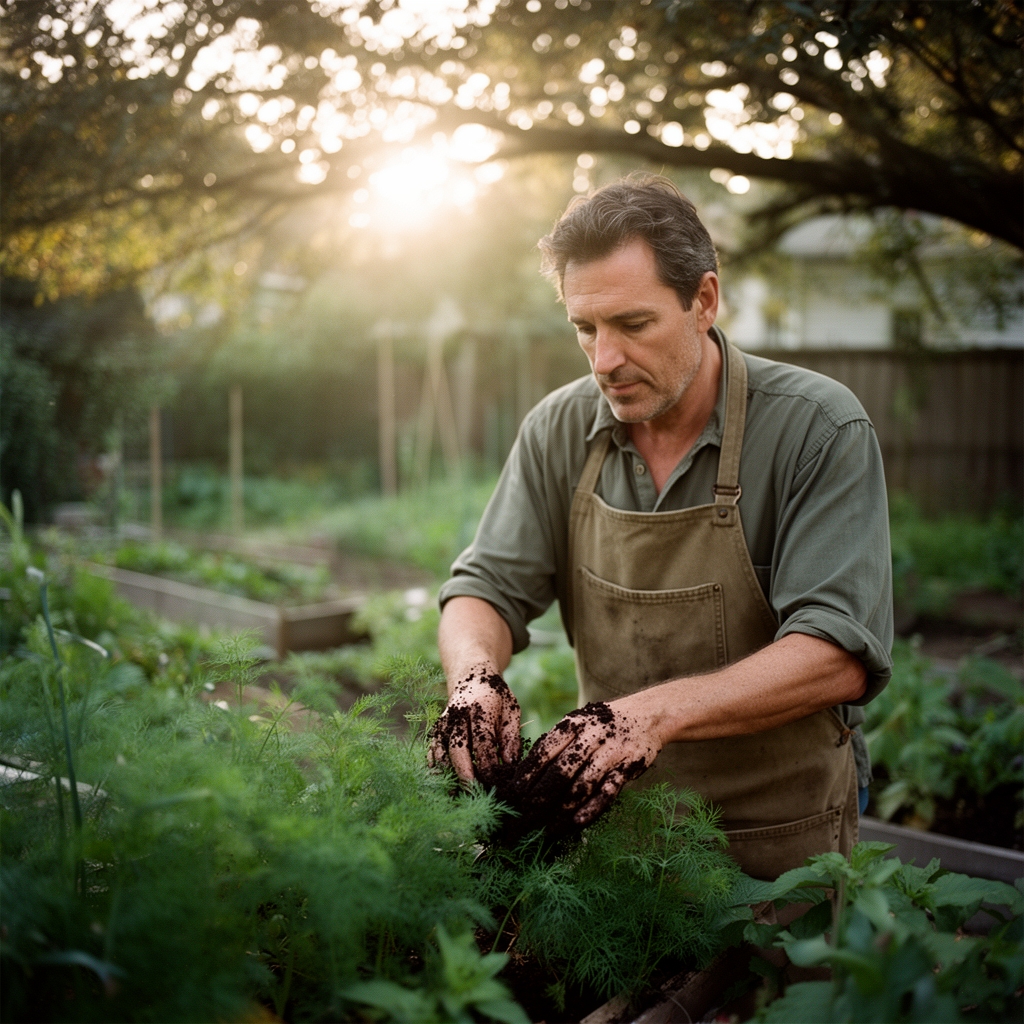
Dill requires light for germination. Broadcast seeds on prepared soil and rake to 1/4-inch depth. Firm with a board to ensure seed-to-soil contact. Maintain moisture through a fine mist until cotyledons emerge.
Pro-Tip: Sow dill in blocks rather than rows. Block planting reduces lodging by 30 percent and creates mutual wind protection as stems develop.
Transplanting Phase
Start cucumber seeds indoors 3 to 4 weeks before transplant date. Use 4-inch pots to minimize root disturbance. Cucurbits resent transplant shock; root-bound seedlings experience a 10-day growth lag.
Harden off seedlings over 5 days. Space transplants 12 inches apart in rows 5 feet apart for vining types. Bush cultivars tolerate 8-inch spacing in 3-foot rows. Bury stems to the cotyledon node to encourage adventitious rooting, which increases drought tolerance.
Pro-Tip: Apply soluble 5-1-1 fish emulsion at half strength immediately after transplanting. The nitrogen boost accelerates auxin distribution to apical meristems, establishing vegetative growth 15 percent faster.
Establishing Phase
Install trellises for vining cucumbers within 7 days of transplant. Train main stems at 60-degree angles to horizontal supports. This angle optimizes light interception while maintaining apical dominance.
Side-dress with calcium nitrate (15.5-0-0) when first female flowers appear. Apply 1 tablespoon per plant, 6 inches from the stem. Calcium translocates poorly in plant tissue; timely application prevents blossom-end disorders that compromise pickle texture.
Pro-Tip: Remove the first three female flowers on each vine. Early fruit production drains carbohydrate reserves before root systems fully establish. This sacrifice increases total yield by 20 percent over the season.
Troubleshooting
Symptom: Hollow cucumbers with large seed cavities.
Solution: Inconsistent irrigation causes rapid cell expansion. Apply 1.5 inches of water weekly in a single deep session rather than daily sprinkling. Drip irrigation maintains 65 percent soil moisture without fluctuation.
Symptom: Dill develops powdery white coating on foliage.
Solution: Powdery mildew (Erysiphe cichoracearum) thrives in humid, stagnant air. Space plants 18 inches apart. Apply sulfur dust at first symptoms, 5 pounds per 1,000 square feet.
Symptom: Cucumbers taste bitter.
Solution: Cucurbitacin accumulates under water stress or temperatures above 90°F. Harvest fruit before 9 a.m. Shade cloth (30 percent density) reduces heat stress without limiting photosynthesis.
Symptom: Yellowing lower leaves on cucumbers.
Solution: Nitrogen deficiency. Foliar spray 1 tablespoon fish emulsion per gallon of water. Leaves absorb nitrogen in 48 hours, greening within 5 days.
Maintenance
Harvest cucumbers every 48 hours once production begins. Overripe fruit suppresses new flower formation through auxin feedback loops. Pick at 3 to 4 inches for whole pickles, 5 to 6 inches for spears.
Apply 1 inch of water per week through drip lines. Mulch with 3 inches of straw to conserve soil moisture and suppress weeds. Hand-pull weeds within 6 inches of cucumber stems; cultivation tools damage shallow feeder roots.
Cut dill seed heads when the first seeds on each umbel turn brown. Hang upside-down in paper bags in a well-ventilated space. Seeds finish ripening in 10 days. Thresh by rubbing heads between palms.
FAQ
When should I harvest cucumbers for the crunchiest pickles?
Pick fruit in early morning when turgor pressure peaks. Cucumbers lose 2 percent moisture per hour after sunrise.
Can I use table salt for pickling?
No. Iodine in table salt darkens pickles and inhibits lactic acid bacteria. Use pure sodium chloride labeled as pickling or canning salt.
How long does dill take from seed to harvestable umbels?
Bouquet dill produces seed heads in 60 days. Sow successively every 21 days for continuous supply.
Do cucumbers need pollination for pickle production?
Yes. Incomplete pollination yields misshapen fruit. Plant zinnias or cosmos nearby to attract native bees. Each flower requires 8 to 10 bee visits.
What's the ideal cucumber-to-dill ratio for one-gallon fermentation?
Pack 2 pounds of 4-inch cucumbers with 3 dill seed heads and 5 fresh dill fronds. This ratio delivers balanced flavor in 7-day fermentation at 70°F.