9 Best Ivy Types for Arches
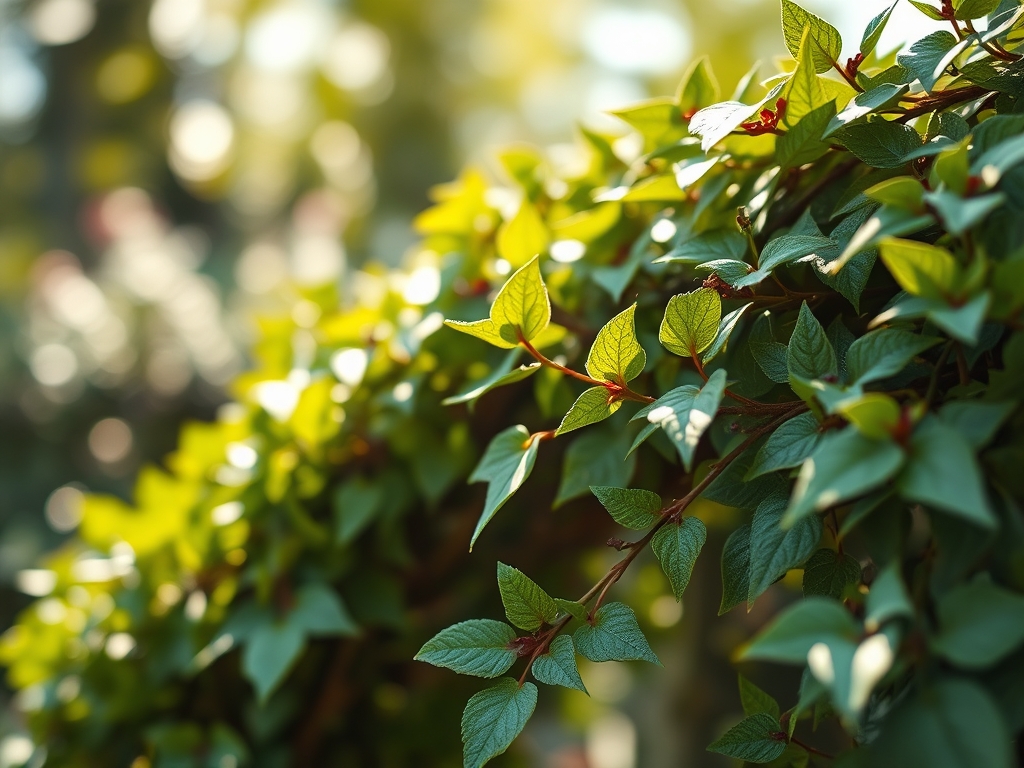
Damp earth releases a sharp, geosmin-heavy scent as the steel of a spade cuts through the rhizosphere. A healthy ivy leaf maintains high turgor pressure; it feels firm and cool between the fingers, a sign that the vascular system is efficiently transporting water from the roots to the furthest apical meristems. Selecting the best ivy types for arches requires more than an eye for aesthetics; it demands an understanding of lignification and the mechanical strength of climbing adventitious roots. When a vine begins its ascent, it relies on these specialized rootlets to anchor into the substrate. The ideal specimen for an arch must possess the vigor to cover a three-dimensional frame without becoming so heavy that it collapses the structure during heavy precipitation or snow loading. Successful vertical gardening starts with selecting species that thrive in the specific microclimate of your garden, ensuring that the rate of elongation matches the structural integrity of your trellis.
Materials:
The success of the best ivy types for arches depends on a substrate with a high Cation Exchange Capacity (CEC). This ensures the soil can hold and release essential nutrients like potassium and magnesium. Aim for a **pH range of 6.0 to 7.5**. The texture must be a friable loam; it should crumble easily when squeezed, indicating a balance of sand, silt, and clay that allows for oxygen diffusion to the root zone.
Before planting, incorporate organic matter to achieve a target NPK ratio of 10-10-10 for initial establishment. For long-term maintenance on arches, a shifted ratio of 20-10-20 supports the heavy foliage production required for full coverage. Ivy requires consistent micronutrients, specifically iron and manganese, to prevent interveinal chlorosis in high-alkaline environments. Use a soil moisture meter to verify that the substrate maintains a volumetric water content of approximately 25% to 30% during the first growing season.
Timing:
Most ivy species are hardy in USDA Zones 4 through 9, though specific cultivars like Hedera helix 'Thorndale' are selected for superior cold tolerance in northern latitudes. The ideal planting window opens when soil temperatures consistently reach 50 degrees Fahrenheit (10 degrees Celsius). This usually occurs two to three weeks after the last spring frost.
The biological clock of the ivy plant is governed by the photoperiod. During the long days of late spring and summer, the plant is in a vegetative state, focusing energy on stem elongation and leaf production. As day length decreases in autumn, the plant begins a process of hardening off; cell walls thicken and the concentration of solutes in the vacuole increases to prevent ice crystal formation. Avoid heavy pruning or nitrogen-heavy fertilization within six weeks of the first expected frost, as this induces tender new growth that is highly susceptible to winter kill.
Phases:

Sowing and Selection
While ivy can be grown from seed, most horticulturists use vegetative cuttings to ensure genetic consistency. Select a "juvenile" growth phase for arches; juvenile ivy has lobed leaves and is genetically programmed for rapid climbing. Adult phases, which produce unlobed leaves and flowers, lack the adventitious roots necessary for self-clinging.
Pro-Tip: Ensure the cutting includes at least two nodes. This utilizes auxin suppression; by removing the apical bud, you encourage lateral branching, which results in a denser, more robust covering for the arch base.
Transplanting
Dig a hole twice the width of the root ball. Position the plant 4 to 6 inches from the base of the arch to allow for trunk expansion. Backfill with the friable loam mentioned previously, ensuring no air pockets remain around the root hairs.
Pro-Tip: Inoculate the planting hole with endomycorrhizal fungi. This mycorrhizal symbiosis increases the effective surface area of the root system by up to 1,000 times, significantly improving phosphorus uptake and drought resistance.
Establishing
During the first 12 to 18 months, the ivy is in the establishment phase. It will prioritize root development over visible top growth. Use soft garden twine to loosely guide the primary runners toward the arch frame. Do not tie them tightly; the stems need room for secondary growth in diameter.
Pro-Tip: Utilize the principle of phototropism by ensuring the arch is not shaded by nearby structures during the morning hours. Ivy will naturally grow toward the light source, helping it navigate the curve of the arch with minimal intervention.
The Clinic:
Monitoring physiological disorders is critical for maintaining the structural health of the vine.
-
Symptom: Yellowing of older leaves while veins remain green.
Solution: This indicates Magnesium deficiency. Apply Epsom salts (Magnesium Sulfate) at a rate of 1 tablespoon per gallon of water at the base of the plant. -
Symptom: Brown, brittle leaf margins (Marginal Necrosis).
Solution: This is often caused by salt accumulation or drought stress. Flush the soil with 3 inches of water to leach salts and increase the frequency of irrigation during peak heat. -
Symptom: Stunted growth and pale green foliage (Nitrogen Chlorosis).
Solution: Apply a high-nitrogen liquid fertilizer with an NPK of 30-10-10 to quickly restore chlorophyll production and stimulate vegetative growth.
Maintenance:
Precision maintenance ensures the ivy does not overwhelm the arch or become a reservoir for stagnant air. Provide 1.5 inches of water per week at the drip line, rather than at the crown, to encourage outward root expansion. Use a soil moisture meter twice weekly to check the top 4 inches of substrate.
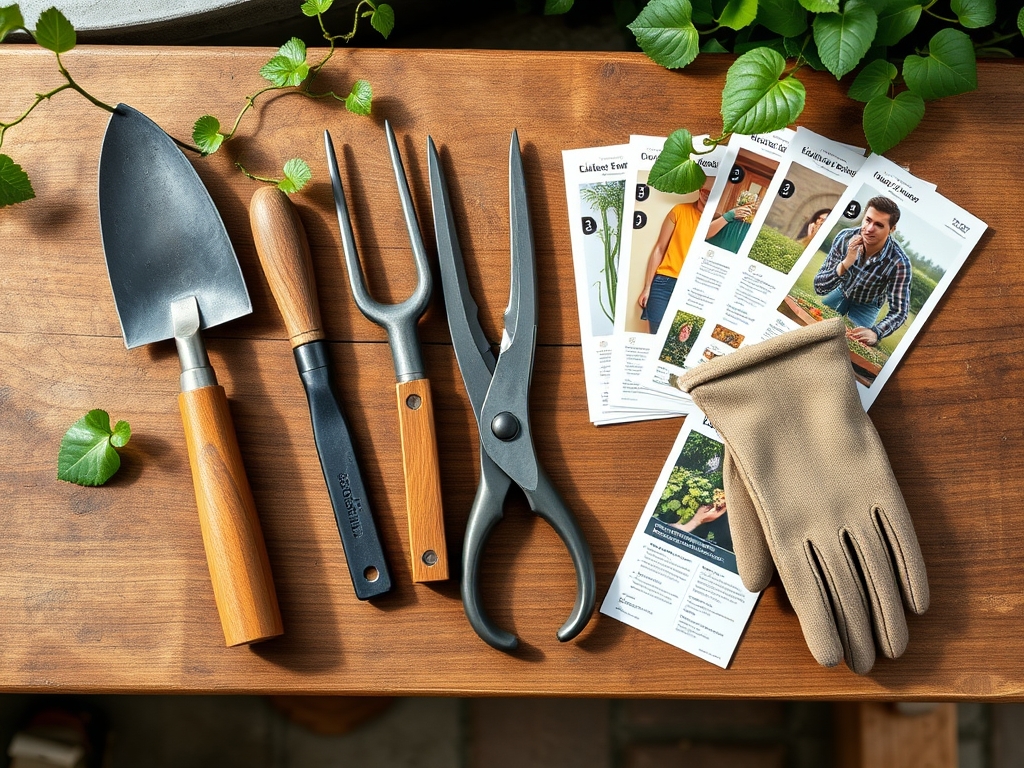
Pruning should be performed with sharp bypass pruners to ensure clean cuts that callus over quickly. Use a hori-hori knife to remove any unwanted "volunteers" or weeds competing for nutrients in the rhizosphere. Every three years, perform a "thinning cut" by removing 20% of the oldest woody stems at the ground level. This prevents the interior of the arch from becoming a dead zone of leafless wood and encourages the growth of fresh, leafy runners.
The Yield:
While ivy is primarily ornamental, the "yield" in a horticultural sense is the density and health of the canopy. For arches used in floral displays, harvest long trailers during the cool of the morning when cell turgidity is at its peak. Use sharp shears to cut the stem at a 45-degree angle. Immediately submerge the cut ends in water heated to 100 degrees Fahrenheit; this removes air bubbles from the xylem and ensures the vine remains turgid for several days. Store harvested ivy in a cool, dark environment at 40 degrees Fahrenheit to slow the rate of senescence and respiration.
FAQ:
Which ivy grows fastest on an arch?
Hedera helix, specifically the 'Algerian' or 'English' varieties, exhibits the fastest vertical elongation. Under optimal conditions with high nitrogen levels, these vines can grow 18 to 36 inches per season once the root system is fully established in the rhizosphere.
How do I prevent ivy from damaging the arch?
Select a heavy-duty steel or pressure-treated wood frame. Avoid thin plastic arches. Prune annually to manage weight and prevent the vine from catching excessive wind. Use bypass pruners to remove woody buildup that can warp the structural integrity of the frame.
Does ivy need full sun to cover an arch?
Most ivy types are shade-tolerant but achieve maximum density in partial sun. Aim for 4 to 6 hours of filtered light. Excessive direct afternoon sun in hot climates can cause leaf scorch and decrease the plant's overall turgor pressure.
How much water does an ivy arch require?
Established ivy requires approximately 1 to 1.5 inches of water per week. Use a soil moisture meter to ensure the root zone stays damp but not saturated. Proper drainage is essential to prevent root rot and maintain high cation exchange.