10 Tidy Ways How to Design a Small Lawn
The smell of damp earth and the tactile turgor of a healthy grass blade define a successful landscape. When you learn how to design a small lawn, you are managing a living micro-ecosystem that requires precise spatial awareness and biological control. Small footprints leave no room for error; every square inch of the rhizosphere must be optimized to prevent compaction and nutrient leaching. Success depends on the intersection of soil physics and botanical physiology.
Materials:
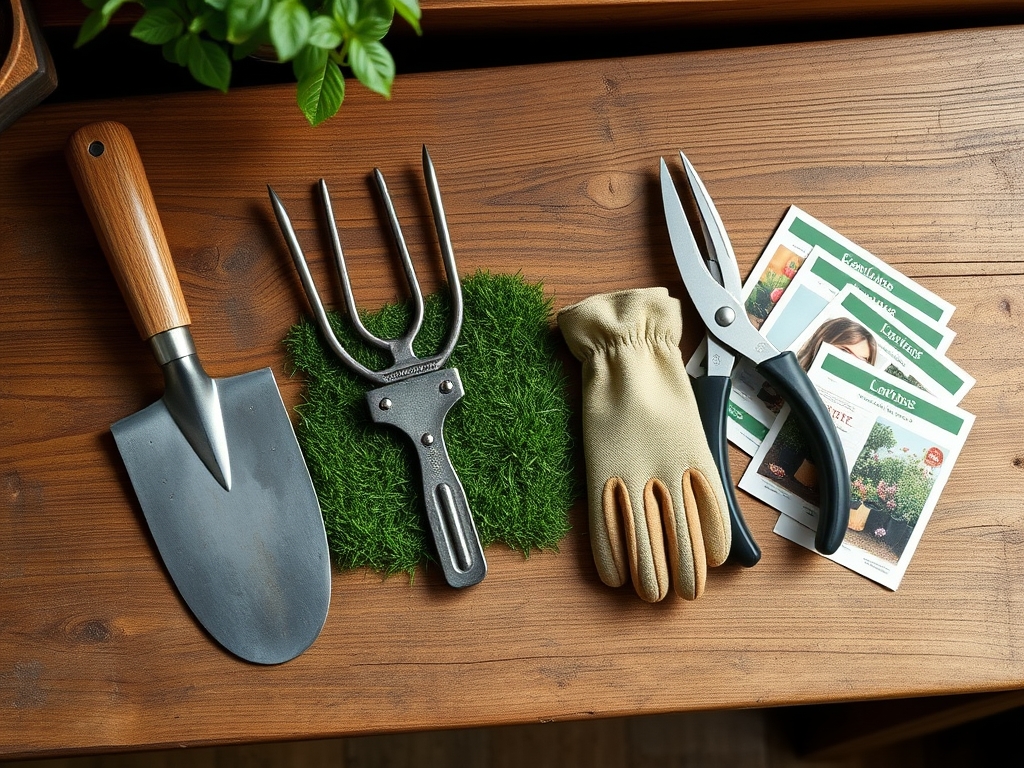
The foundation of a high-performance small lawn is a friable loam with a Cation Exchange Capacity (CEC) between 15 and 25 meq/100g. This ensures the soil can retain and exchange essential cations like potassium and magnesium. Aim for a soil pH between 6.0 and 7.0 to maximize nutrient bioavailability.
For the establishment phase, use a starter fertilizer with an NPK ratio of 10-18-10. The high phosphorus content supports rapid root elongation and ATP production. For maintenance, transition to a slow-release nitrogen source with a ratio of 24-0-12. You will also need high-quality seed or sod. Select a cultivar based on your light levels; Fine Fescue excels in shade, while Kentucky Bluegrass or Bermuda thrives in full sun. Ensure the seed purity is above 98% with a germination rate exceeding 85%.
Timing:
Timing is dictated by the biological clock of the specific grass species. In Hardiness Zones 3 through 7, cool-season grasses should be sown when soil temperatures are between 50 and 65 degrees Fahrenheit. This typically occurs in late summer or early autumn, roughly 45 days before the first killing frost.
In Hardiness Zones 8 through 11, warm-season grasses are best established in late spring when soil temperatures consistently hit 65 to 70 degrees Fahrenheit. This timing ensures the plant enters its most aggressive vegetative growth stage during the peak photoperiod, allowing it to store sufficient carbohydrates in its rhizomes before winter senescence.
Phases:

Sowing and Preparation
Clear the area of all debris and use a power rake to break up surface tension. Level the site to a 1% slope away from structures to prevent hydraulic pressure against foundations. Broadcast seed at a rate of 6 to 8 pounds per 1,000 square feet for new lawns. Lightly rake the seed into the top 0.25 inches of soil to ensure maximum seed-to-soil contact.
Pro-Tip: Maintain consistent surface moisture to trigger hydrotropism. This biological response directs root growth toward moisture gradients, ensuring the radical emerges and anchors the seedling before the endosperm's energy reserves are depleted.
Transplanting Sod
If using sod, ensure the soil is pre-moistened. Lay the pieces in a brickwork pattern to minimize long, continuous seams that are prone to desiccation. Use a lawn roller filled one-third with water to press the sod into the substrate, removing air pockets that cause root death.
Pro-Tip: Avoid stretching the sod during installation. Stretching triggers thigmotropism stress, causing the grass to contract as it dries, which opens gaps that allow opportunistic weed seeds to germinate in the exposed rhizosphere.
Establishing and Rooting
During the first 14 to 21 days, the focus is on cellular turgor. Water the area twice daily for short durations to keep the top inch of soil moist. Once the grass reaches 3 inches in height, perform the first mow with sharp blades, removing no more than the top 0.5 inches.
Pro-Tip: Delaying the first mow until the root system is established prevents auxin suppression. If you cut too early, the plant redirects energy from root development to leaf repair, weakening the overall structural integrity of the turf.
The Clinic:
Physiological disorders in small lawns are often the result of poor gas exchange or nutrient imbalances.
Symptom: Interveinal chlorosis (yellowing between green veins) in new growth.
Solution: This indicates an Iron deficiency, often caused by high pH levels (above 7.5) which lock up micronutrients. Apply chelated iron to bypass soil binding.
Symptom: Small, circular patches of tan, dying grass with a "cobweb" appearance in the morning.
Solution: This is Dollar Spot (Clarireedia jacksonii). It often signals a Nitrogen deficiency. Increase nitrogen applications and improve air circulation.
Symptom: Purpling of the leaf blades during cool weather.
Solution: This is a Phosphorus deficiency. Phosphorus is immobile in cold soils. Use a liquid seaweed extract or a high-phosphate foliar spray to provide an immediate boost to the plant's metabolic processes.
Fix-It for Nitrogen Chlorosis: If the entire lawn looks pale green or yellow, apply 0.5 pounds of actual nitrogen per 1,000 square feet using a quick-release urea source. This will rapidly restore chlorophyll production and photosynthetic efficiency.
Maintenance:
Precision maintenance is the only way to keep a small lawn tidy. Use a soil moisture meter to ensure the root zone stays within the 20% to 40% volumetric water content range. Most lawns require 1.5 inches of water per week, delivered in two deep sessions to encourage deep rooting.
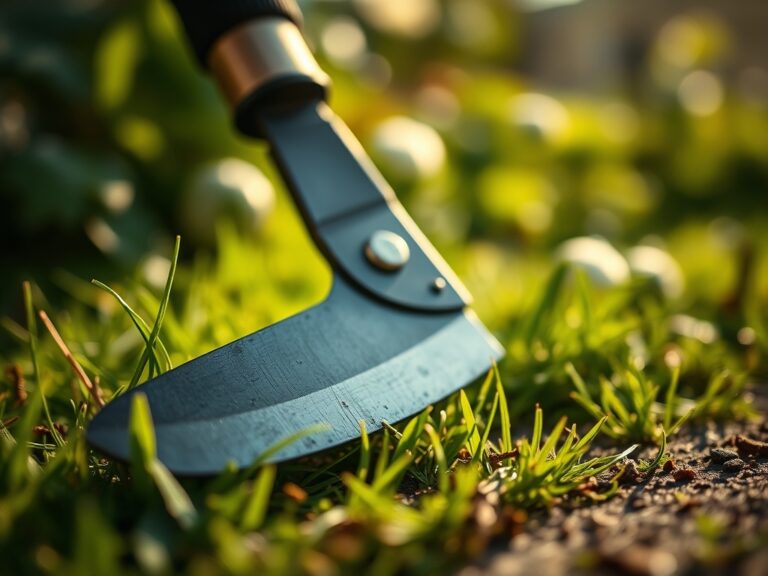
Keep your bypass pruners and hori-hori knife sharp for edging and removing invasive taprooted weeds. Edging should be done every two weeks to maintain a clean line between the turf and hardscaping. Aerate the soil once a year using a core aerator to relieve compaction and improve oxygen diffusion to the roots. If you notice thatch buildup exceeding 0.5 inches, use a vertical mower to thin the organic layer, ensuring water and nutrients can reach the soil surface.
The Yield:
While a lawn is not a traditional crop, the "yield" is measured in biomass density and aesthetic uniformity. If you are growing a "clover lawn" or a flowering meadow mix for a small space, harvest the blooms just as they reach anthesis (full opening) to encourage the plant to produce more flowers rather than shifting energy to seed production.
For ornamental grasses within the design, prune back the previous year's growth to 3 inches in late winter. This removal of senescent material allows sunlight to reach the crown, stimulating the new season's growth. Handle all clippings with care; if the lawn is healthy, "grasscycling" (leaving clippings on the lawn) can return up to 25% of the plant's nitrogen needs back to the soil.
FAQ:
How often should I water a newly seeded small lawn?
Water twice daily for 10 to 15 minutes to keep the top 0.5 inches of soil moist. Once germination occurs and seedlings reach 1 inch, transition to deeper, less frequent watering to encourage downward root migration.
What is the best mower height for a small lawn?
Maintain a height of 2.5 to 3.5 inches for most species. Higher blades shade the soil, reducing evaporation and preventing weed seeds from receiving the light required for germination. Never remove more than one-third of the leaf blade at once.
Can I grow a lawn in heavy shade?
Most turfgrasses require at least 4 to 6 hours of direct sunlight. In heavy shade, use Fine Fescue and increase the mowing height to 4 inches to maximize the surface area available for photosynthesis in low-light conditions.
How do I fix compacted soil in a small area?
Use a manual core aerator to remove soil plugs. This increases the pore space in the soil, allowing for better oxygen infiltration and water movement. Top-dress the area with 0.25 inches of compost to improve soil structure and biology.