8 Strong Steps to Heavy Pot Support
The smell of damp earth and the pressurized turgor of a healthy leaf signify a plant reaching its maximum physiological potential. When a specimen gains significant biomass, the physical integrity of the stem often fails under the weight of its own reproductive structures. To prevent mechanical failure, a grower must implement precise steps to heavy pot support before the plant reaches its peak vegetative mass. This process involves more than just sticks and string; it requires an understanding of structural engineering within the rhizosphere and the manipulation of plant hormones. A heavy pot requires a stable foundation where the substrate density matches the expected vertical load. Without proactive bracing, the vascular system collapses, cutting off the flow of water and nutrients through the xylem. Professional cultivation demands a systematic approach to bracing that begins at the moment of transplanting. By securing the primary stalk and secondary branches early, the grower ensures that the plant allocates energy toward fruit and flower production rather than repairing cellular damage caused by wind or gravitational stress.
Materials:
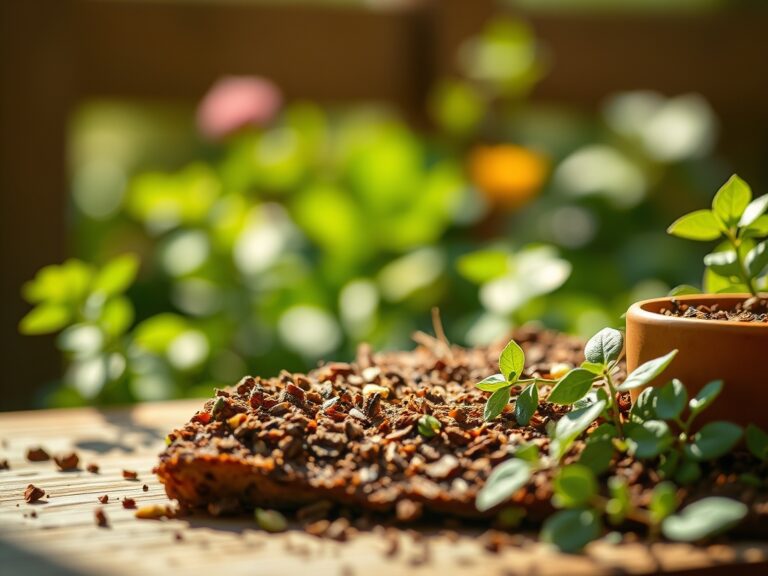
The foundation of a supported plant is the substrate. A friable loam with a **Cation Exchange Capacity (CEC) of 15 to 25 milliequivalents per 100 grams** provides the necessary chemical buffet for heavy feeding. The ideal soil pH for nutrient bioavailability is **6.2 to 6.8**. For heavy pot support, the NPK ratio should transition from a high-nitrogen vegetative formula like **10-5-5** to a phosphorus-rich reproductive formula such as **5-15-10**.
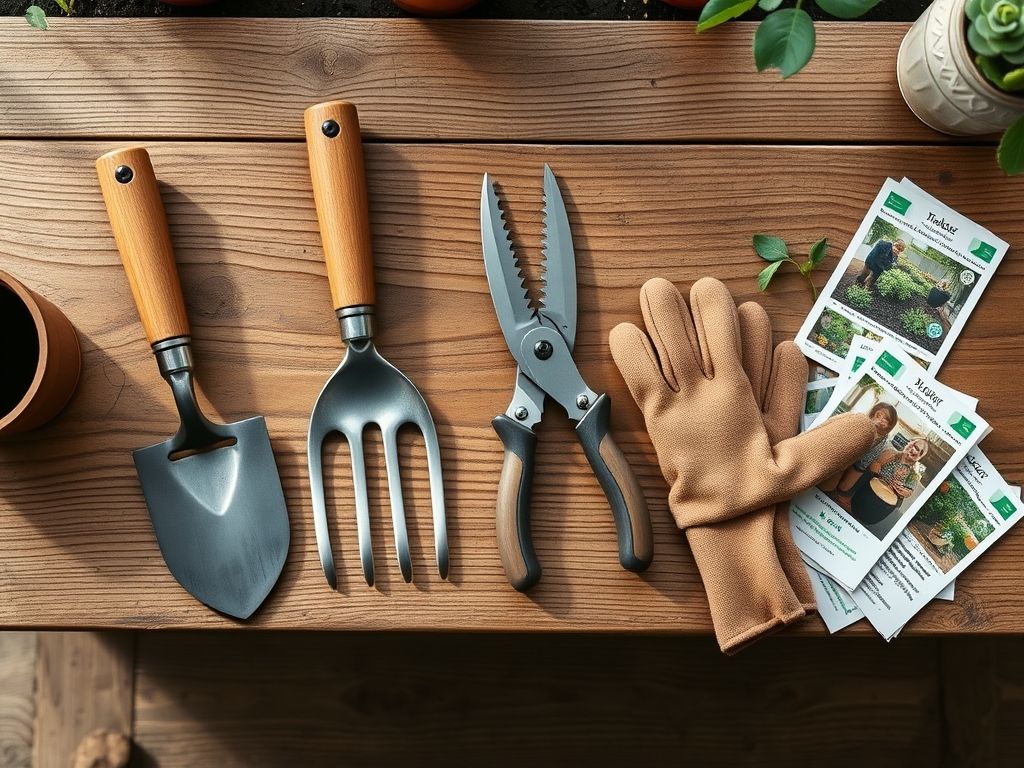
Physical materials must include heavy-gauge bamboo stakes (1 inch diameter), galvanized steel cages, or nylon trellis netting with 6-inch apertures. Soft tie material, such as rubber-coated wire or 1/2-inch wide stretch tape, prevents the girdling of the cambium layer. A high-quality substrate should contain 30 percent perlite to maintain aeration and prevent compaction under the weight of the support structures.
Timing:
Timing is dictated by the USDA Hardiness Zone and the specific photoperiod requirements of the species. In Zones 5 through 7, the window for establishing heavy support begins after the last spring frost, typically between April 15 and May 20. The biological clock of the plant moves from the vegetative stage to the reproductive stage as the days shorten or the plant reaches a specific node count.
Support must be installed when the plant reaches 50 percent of its expected final height. Waiting until the plant is top-heavy causes root disturbance during stake insertion. In the transition phase, the plant undergoes a "stretch" where internodal spacing increases rapidly. This is the critical moment to secure the main lead to prevent the stalk from snapping during the sudden increase in turgor pressure.
Phases:
Sowing and Initial Growth
Start seeds in a sterile medium with a pH of 5.8. Ensure the light source is within 12 to 18 inches of the canopy to prevent "leggy" growth. A weak stem at the seedling stage cannot be fully corrected later.
Pro-Tip: Direct a small fan toward the seedlings for 12 hours a day. The mechanical stress triggers the release of ethylene, which increases the diameter of the stalk through a process called thigmomorphogenesis.
Transplanting and Primary Bracing
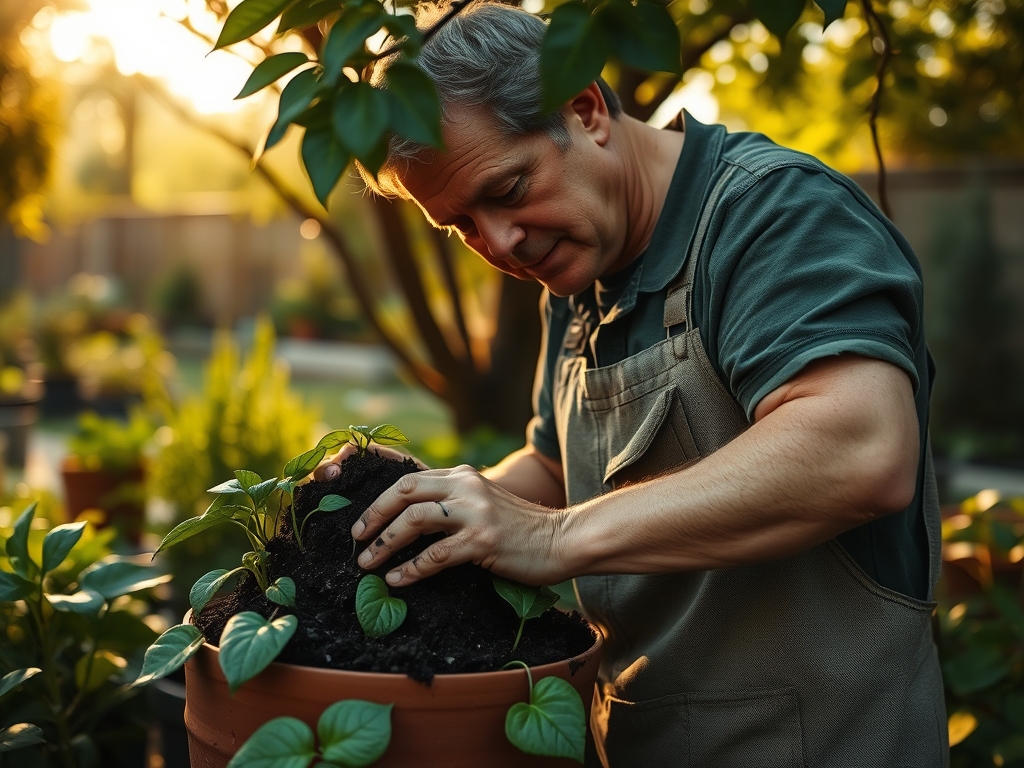
When moving to the final container, place the primary support stake 3 inches from the main stem before adding the final layers of soil. This avoids piercing the primary taproot.
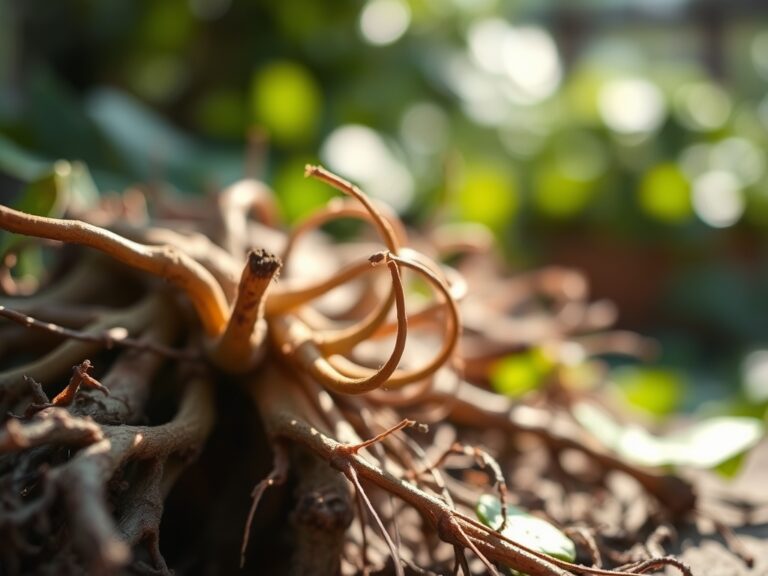
Pro-Tip: Dust the root ball with mycorrhizal fungi. This symbiotic relationship increases the surface area of the root system by up to 1,000 times, creating a biological anchor that stabilizes the plant against physical lean.
Establishing the Canopy
As the plant enters the reproductive phase, install secondary supports like a Scrog (Screen of Green) net or a tomato cage. Ensure the branches are woven through the support at 45-degree angles to maximize light penetration to the lower nodes.
Pro-Tip: Use "Low Stress Training" (LST) to pull branches away from the center. This suppresses apical dominance by redirecting auxins to side branches, creating a wider, more stable base that distributes weight evenly across the pot.
The Clinic:
Physiological disorders often manifest as physical weakness. Monitor these symptoms to ensure the plant can hold its own weight.
Symptom: Interveinal chlorosis on older leaves.
Solution: This indicates a Magnesium deficiency. Apply a foliar spray of Epsom salts (1 tablespoon per gallon) to restore chlorophyll production and stem rigidity.
Symptom: Stem splitting at the crotch of a branch.
Solution: Use a "Fix-It" wrap of grafting tape. Ensure the wound is dry. Reduce nitrogen levels to slow down explosive, weak growth.
Symptom: Drooping despite wet soil.
Solution: This is likely root rot (Pythium). Improve drainage by elevating the pot and adding an oxygenating agent like 3 percent hydrogen peroxide to the next watering cycle.
Fix-It for Nitrogen Chlorosis: If the entire plant turns pale green, the NPK balance is off. Flush the medium with 3 gallons of pH-balanced water per 1 gallon of soil and reintroduce a balanced 10-10-10 water-soluble fertilizer.
Maintenance:
Precision maintenance prevents the need for emergency bracing. Use a soil moisture meter to ensure the substrate stays between 40 and 60 percent capacity. Apply exactly 1.5 inches of water per week at the drip line; do not pour water directly against the main stalk to avoid crown rot.
Keep a hori-hori knife for weeding and a pair of bypass pruners for removing non-productive "sucker" branches. Pruning the bottom 20 percent of the foliage (lollipopping) improves airflow and forces the plant to focus its structural integrity on the upper canopy. Check the tension of your ties every 10 days. As the stem girth increases, ties must be loosened to prevent strangulation of the phloem.
The Yield:
Harvesting heavy-supported plants requires a delicate touch to preserve the trichomes or essential oils. For most fruiting plants, harvest when the fruit detaches with a slight upward "shuck" or when the calyxes are swollen and 70 percent of the pistils have turned amber.
Use sharp snips to cut the branches in sections. Do not pull the fruit, as this can damage the structural ties and cause the remaining plant to collapse. To maintain "day-one" freshness, keep the harvested material in a cool, dark environment at 60 degrees Fahrenheit and 50 percent humidity. This slows down the rate of senescence and preserves the cellular structure.
FAQ:
How do I stop my pot from tipping over?
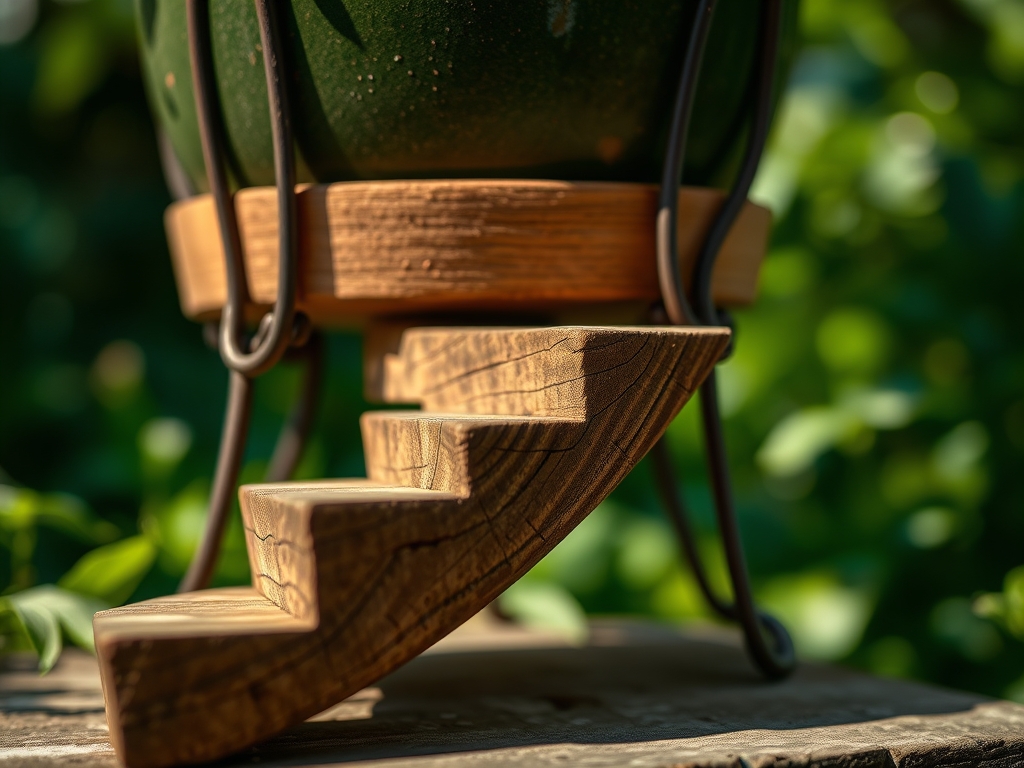
Increase the "footprint" by placing the pot inside a larger, heavy decorative planter. Add 2 inches of river rock to the bottom of the container to lower the center of gravity and improve drainage efficiency.
What is the best tie for heavy plants?
Use 1/2-inch soft garden tape or strips of nylon hosiery. These materials stretch as the plant grows, preventing the tie from cutting into the vascular tissue and causing a localized nutrient blockage.
When should I add a second trellis net?
Install a second layer of netting 12 inches above the first once the plant begins to develop heavy fruit or flowers. This provides a secondary vertical plane to support the weight of the ripening harvest.
Can I use wood stakes for support?
Bamboo or plastic-coated steel is preferred. Untreated wood can harbor pathogenic fungi and may rot at the soil line within one season, leading to a sudden structural failure of the entire support system.