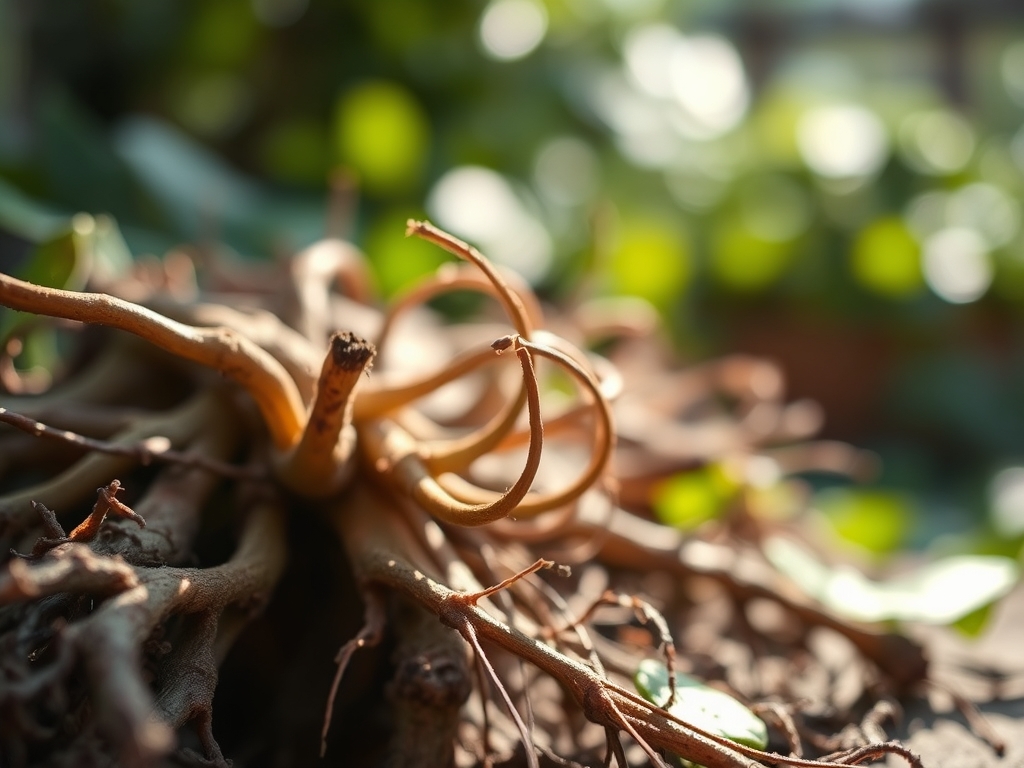
5 Professional Best Pruning Circling Roots Tips
Circling roots spiral endlessly in containerized stock, choking vascular cambium and strangling trunk flare until the tree succumbs years after installation. The best pruning circling roots tips begin with recognizing that root architecture determines canopy health, and correction demands sharp tools, precise timing, and anatomical knowledge. Every container-grown sapling carries invisible structural debt that compounds with age.
Materials
Assemble bypass pruners with blades sharpened to 20-degree bevels, a folding pruning saw with 6.5 teeth per inch for roots exceeding 1 inch diameter, and a soil knife with serrated edges for teasing apart congested root balls. Prepare a transplant medium at pH 6.0–7.0 using composted pine bark (carbon-to-nitrogen ratio 30:1) amended with a balanced 4-4-4 organic fertilizer at 2 pounds per cubic yard. This NPK formulation delivers slow-release nitrogen without promoting excessive vegetative growth during establishment. Include mycorrhizal fungi inoculant (Rhizophagus irregularis) at label rates to colonize freshly cut root surfaces and extend nutrient absorption networks. Isopropyl alcohol at 70% concentration disinfects blades between cuts to prevent vascular wilt transmission.
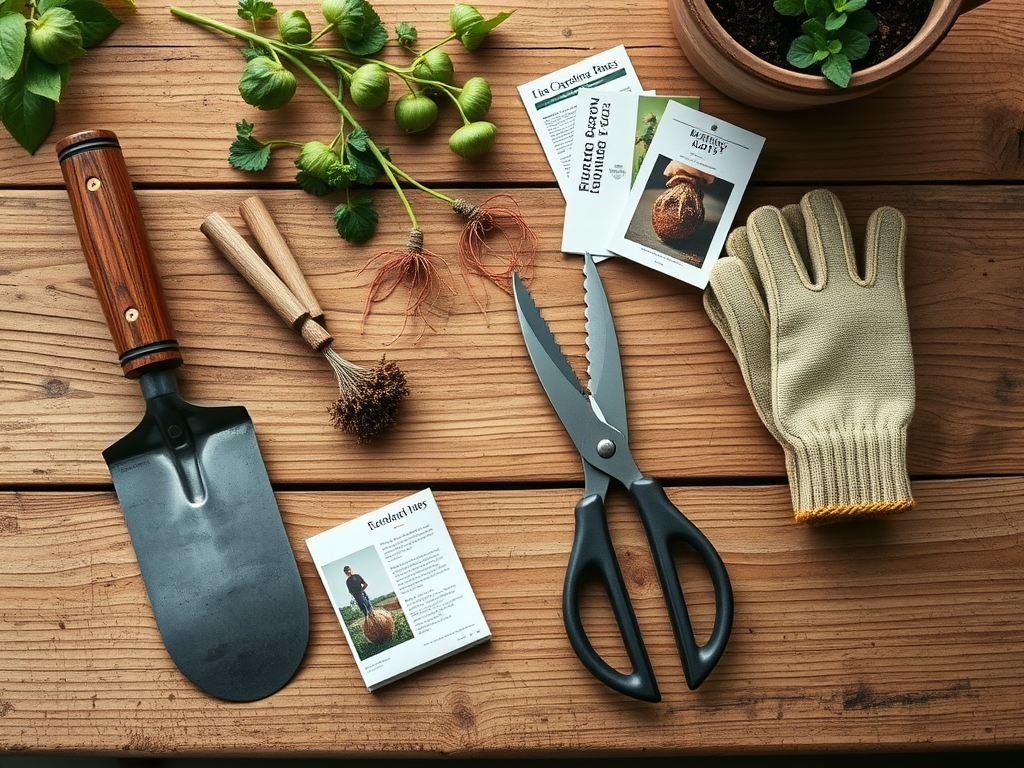
Stock polyethylene tarps for root ball protection during inspection and burlap for moisture retention post-pruning. A hose-end sprayer calibrated to 2 gallons per minute delivers initial hydration without compacting newly loosened soil.
Timing
Execute root pruning during dormancy windows when auxin distribution favors callus formation over shoot elongation. In Zones 5–7, target late March through early April, after soil temperatures reach 45°F but before bud break. Southern regions (Zones 8–10) gain flexibility from November through February, avoiding summer heat stress that impairs wound response. Northern gardeners in Zones 3–4 must wait until soils thaw completely, typically 10–14 days after the last frost date. Spring transplants establish roots before summer drought. Fall installations in Zones 7 and warmer allow 8–10 weeks of root growth before dormancy, but Zone 6 and colder risk insufficient establishment before freeze events.
Phases
Sowing
Specify container dimensions at purchase: depth must equal 1.5 times the expected tap root length for the species. Vertical root trainers with internal ribs redirect descending roots downward, preventing initial circling. Air-pruning containers expose root tips to desiccation, triggering lateral branching rather than spiral formation. These preventive measures reduce corrective pruning by 60% at transplant.

Transplanting
Remove the container and inspect the root ball perimeter. Identify roots circling more than 180 degrees, kinked roots forming J-hooks, and stem-girdling roots ascending toward the trunk. Make cuts at 30-degree angles 1–2 inches outward from the point where circling begins, promoting outward growth vectors. Prune defective roots entirely rather than scoring or butterflying; partial cuts invite decay while complete removal stimulates adventitious root production. Slice vertically through the outer 0.5 inch of the root ball in four quadrants from crown to base, severing fine roots that will regenerate rapidly.
Pro-Tip: Submerge the pruned root ball in a slurry of mycorrhizal inoculant and kelp extract (0-0-1 NPK) for 30 seconds before planting. The kelp's cytokinin content accelerates root tip initiation.
Establishing
Position the root flare 1–2 inches above finished grade to account for settling. Backfill with native soil unless pH exceeds 7.5 or falls below 5.5, conditions requiring sulfur or lime amendment respectively. Water immediately with 10 gallons per caliper inch, collapsing air pockets and ensuring root-to-soil contact. Apply 3 inches of shredded hardwood mulch in a donut configuration, keeping material 6 inches from the trunk to prevent moisture accumulation against bark.
Pro-Tip: Stake only if wind exposure exceeds 15 mph sustained. Trunk movement stimulates caliper growth and lignin deposition.
Troubleshooting
Symptom: Chlorotic foliage with interveinal yellowing six weeks post-transplant.
Solution: Iron deficiency from alkaline pH or poor root-to-soil contact. Apply chelated iron (Fe-EDDHA) at 2 ounces per 10 square feet and irrigate to depth of 8 inches.
Symptom: Canopy dieback on 30% of branch tips in the second growing season.
Solution: Girdling roots persist below inspection depth. Excavate to expose the root flare, remove encircling roots with a chisel, and re-establish grade.
Symptom: Mushroom conks erupting at the base 18 months after planting.
Solution: Armillaria root rot colonized pruning wounds. No cure exists; remove and destroy the specimen. Fumigate soil or choose resistant species.
Symptom: Wilting despite adequate soil moisture.
Solution: Severed tap root during aggressive pruning compromises water uptake. Install a temporary drip emitter at 1 gallon per hour for 4 hours daily until lateral roots compensate.
Maintenance
Deliver 1 inch of water weekly during the first growing season, adjusting for rainfall using a rain gauge. Deep irrigation every 7 days outperforms frequent shallow watering by promoting downward root exploration. In year two, reduce to 1 inch every 10 days. Monitor trunk flare annually, excavating mulch and soil that migrate toward the base; maintain visible root flare at all times. Reapply balanced 4-4-4 fertilizer each spring at 1 pound per inch of trunk caliper, broadcast evenly beneath the drip line. Cation exchange capacity of the soil dictates nutrient retention; sandy soils require split applications in spring and mid-summer.
FAQ
When should I prune circling roots on a new tree?
Prune immediately before transplanting, while roots are exposed and accessible. Dormant-season timing reduces stress.
Can I prune more than 25% of the root mass?
Yes, if compensatory canopy reduction occurs simultaneously. Remove one-third of branch length to balance water demand with compromised uptake capacity.
How do I identify a girdling root?
Excavate the trunk flare. Any root crossing the flare at less than a 45-degree angle or contacting the trunk qualifies as girdling.
Will root pruning kill my tree?
Proper technique and timing yield 95% survival. Avoid summer pruning and ensure consistent irrigation during establishment.
What tools work best for thick circling roots?
A curved pruning saw or reciprocating saw with a 9-inch wood blade cuts roots exceeding 2 inches in diameter cleanly without tearing vascular tissue.