9 Safe Ways How to Design a Pet-friendly Yard
The smell of damp earth and the crisp turgor of a healthy leaf define a successful landscape. When considering how to design a pet-friendly yard, the objective is to balance botanical health with animal safety. This requires a transition from decorative gardening to functional horticulture. You must engineer a space that resists compaction while eliminating toxic alkaloids. A resilient rhizosphere ensures that both the flora and the fauna thrive in a controlled, scientific environment.
Materials:
The foundation of a pet-safe landscape is the substrate. You require a friable loam with a high Cation Exchange Capacity (CEC) to ensure nutrient availability. Aim for a soil pH between 6.2 and 7.0. This range optimizes the solubility of phosphorus and micronutrients. Avoid synthetic fertilizers with high concentrations of heavy metals. Instead, utilize organic amendments with a balanced NPK ratio of 5-5-5 or 4-1-2 for turf areas.
High-traffic zones require inorganic mulches like pea gravel or smooth river stones. If using organic mulch, select untreated cedar or hemlock. Avoid cocoa bean hulls; they contain theobromine, which is toxic to canines. For the planting medium, ensure a mix of 40 percent sand, 40 percent silt, and 20 percent clay to provide adequate drainage and prevent anaerobic conditions in the root zone.
Timing:
Successful installation depends on your USDA Hardiness Zone. In Zones 5 through 7, the ideal window for establishing pet-friendly turf and shrubs is early autumn. This period allows for root development before the plant enters senescence in winter. The soil temperature should be between 55 and 65 degrees Fahrenheit for optimal seed germination.
Understanding the biological clock is essential. Plants transition from the vegetative stage to the reproductive stage based on the photoperiod. When designing your yard, time your plantings so that heavy-duty shrubs are established before the peak activity of pets in the summer. Spring plantings should occur after the last frost date to prevent cellular rupture from ice crystal formation within the plant tissues.
Phases:
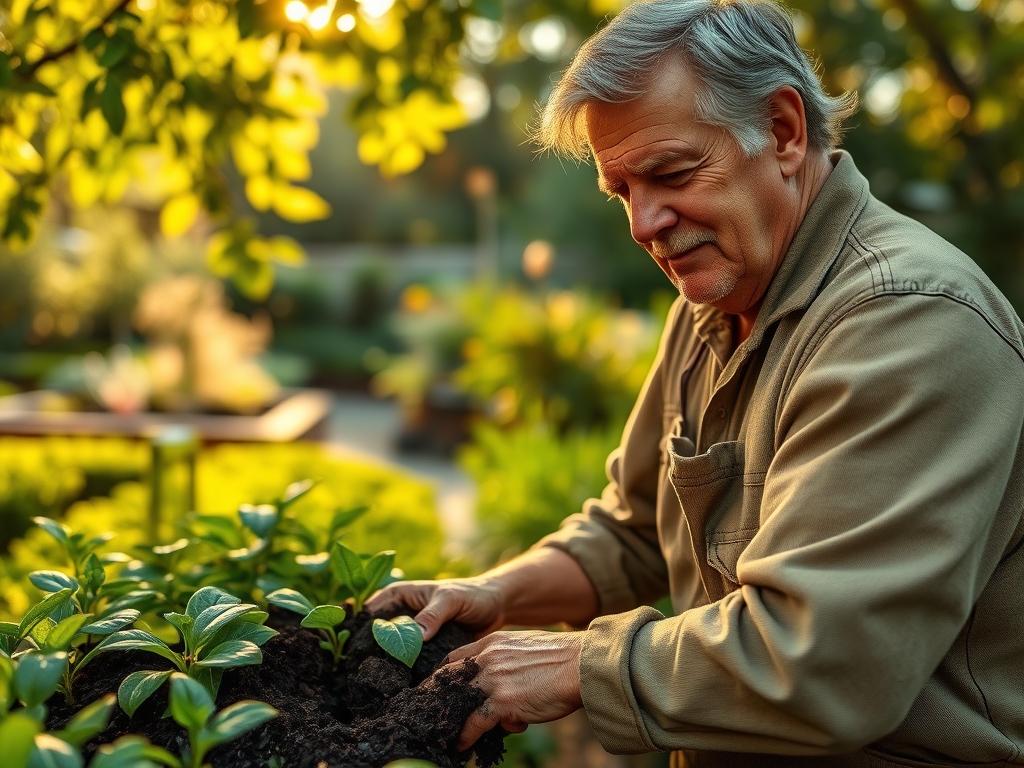
Sowing
Begin by clearing the site of invasive species and toxic plants like Nerium oleander or Digitalis. Broadcast seeds for pet-hardy grasses, such as Tall Fescue or Kentucky Bluegrass, at a rate of 6 to 8 pounds per 1,000 square feet. Ensure seed-to-soil contact by rolling the area with a water-filled drum.
Pro-Tip: Maintain consistent moisture during the first 14 days to prevent desiccation of the radical. This supports mycorrhizal symbiosis, where beneficial fungi colonize the root system to increase phosphorus uptake.
Transplanting
When installing 5-gallon shrubs like Abelia or Camellia, dig a hole twice the width of the root ball but no deeper. This prevents the settling of the root flare below the soil line, which causes oxygen deprivation. Backfill with native soil to maintain consistent capillary action for water movement.
Pro-Tip: Do not over-amend the planting hole. Forcing roots to grow beyond the amended pocket encourages a wider lateral root system, utilizing auxin suppression to balance top-growth with root-depth.
Establishing
The first 90 days are critical for structural integrity. Use temporary fencing to exclude pets from new plantings. This prevents soil compaction, which reduces the pore space necessary for gas exchange in the rhizosphere. Apply a 2-inch layer of mulch to regulate soil temperature and suppress weed competition.
Pro-Tip: Utilize hydrotropism by watering deeply and infrequently. This encourages roots to grow downward toward the water table rather than staying near the surface where they are vulnerable to mechanical damage from paws.
The Clinic:
Physiological disorders often mimic disease. Observe your plants for these specific symptoms.
- Nitrogen Chlorosis: Older leaves turn pale yellow while veins remain green. Fix-it: Apply a water-soluble nitrogen source at a rate of 0.5 pounds per 1,000 square feet.
- Leaf Scorch: Marginal browning on deciduous leaves. This is often caused by high salinity from pet urine. Fix-it: Flush the area with 2 inches of water to leach salts below the root zone.
- Iron Deficiency: New growth appears bleached or white. This occurs in high pH soils. Fix-it: Apply chelated iron to the soil or as a foliar spray to bypass soil lock-up.
- Compaction Stunting: Growth is slow and leaves are small. Fix-it: Use a core aerator to remove 3-inch plugs, increasing oxygen diffusion to the roots.
Maintenance:
Precision maintenance is the difference between a yard and an ecosystem. Use a soil moisture meter to ensure the root zone stays at 60 percent field capacity. Most established pet-friendly landscapes require 1.5 inches of water per week delivered at the drip line.
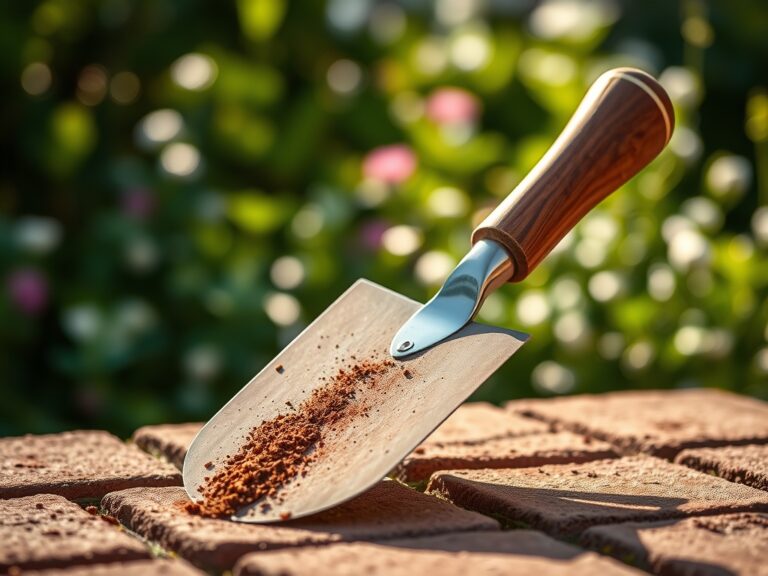
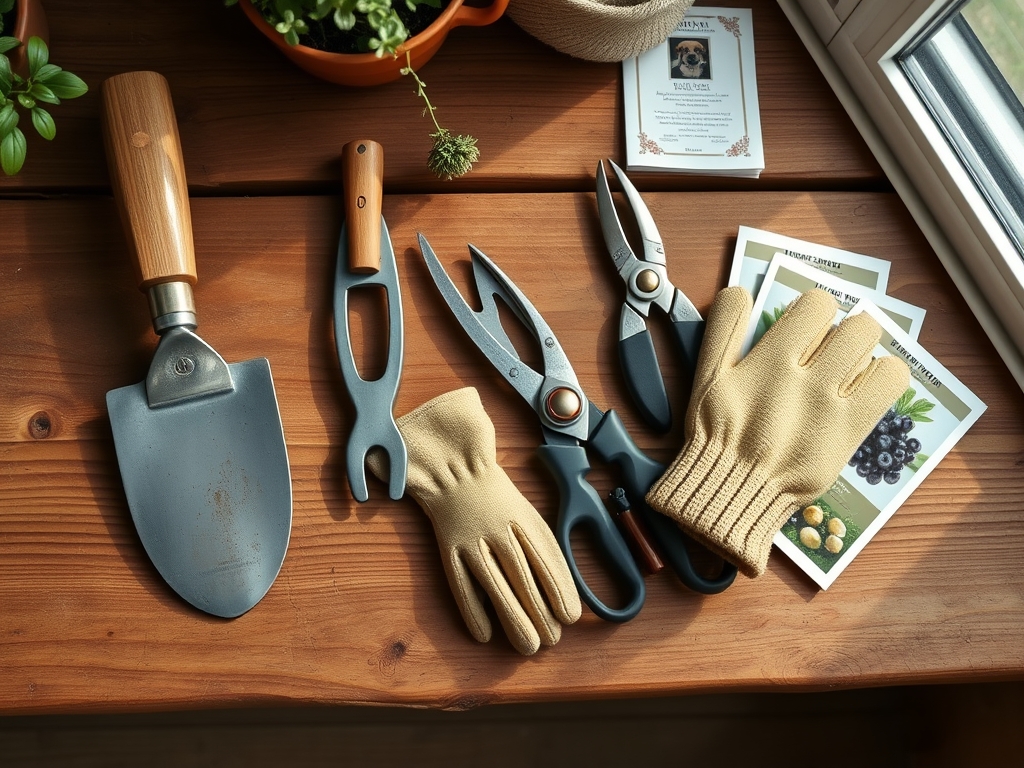
Pruning should be performed with sharp bypass pruners to ensure clean cuts that callose quickly. For weeding in tight spaces, a hori-hori knife allows you to extract taproots without disturbing the surrounding soil structure. Regularly inspect the perimeter for "digging zones." If a pet targets a specific area, bury large flat stones beneath the surface to provide a physical deterrent that does not rely on chemicals.
The Yield:
If your pet-friendly yard includes a "snack garden" of blueberries or snap peas, timing the harvest is vital for nutrient density. Harvest berries when they reach full color and release easily from the pedicel. This indicates peak sugar levels and optimal turgor pressure.
For herbs like parsley or dill, harvest in the early morning when essential oil concentration is highest. Use a sharp blade to avoid crushing the vascular bundles. Place harvested greens immediately into a cold-water bath to remove field heat and maintain "day-one" freshness through the suppression of metabolic respiration.
FAQ:
Which grasses are most resistant to pet urine?
Tall Fescue and Perennial Ryegrass exhibit high salt tolerance. Their deep root systems allow them to recover quickly from the nitrogen burn associated with pet urea. Maintain a mowing height of 3 inches to shield the soil surface.
How do I prevent dogs from digging in garden beds?
Install physical barriers like decorative fencing or dense, thorny (but non-toxic) shrubs like Berberis thunbergii. Alternatively, incorporate a designated "digging pit" filled with loose sand to redirect the animal's natural instinct away from the botanical specimens.
Are wood chips safe for pet-friendly landscaping?
Untreated cedar and pine chips are safe and provide excellent carbon-to-nitrogen ratios for soil health. Avoid "black" or "red" dyed mulches, as these may contain carbon black or iron oxide pigments that can irritate a pet's integumentary system.
What are the best non-toxic shade plants?
The Polystichum munitum (Western Sword Fern) and hosta (though some varieties vary in sensitivity) are generally safe. Aspidistra elatior (Cast Iron Plant) is extremely hardy, non-toxic, and thrives in low-light conditions with minimal supplemental irrigation.