7 Basic Steps to Use Rubbing Alcohol for Pests
The mealybugs had colonized the underside of your prized orchid's leaves, their waxy filaments gleaming like frost on a November morning. You reach for a bottle of isopropyl alcohol, the simplest weapon in integrated pest management. The steps to use rubbing alcohol for pests require precision, not guesswork. One miscalculated spray dilution can scorch phloem tissue. Applied correctly, alcohol disrupts the lipid bilayer of soft-bodied insects within seconds, leaving no systemic residue in plant vascular tissue.
Materials
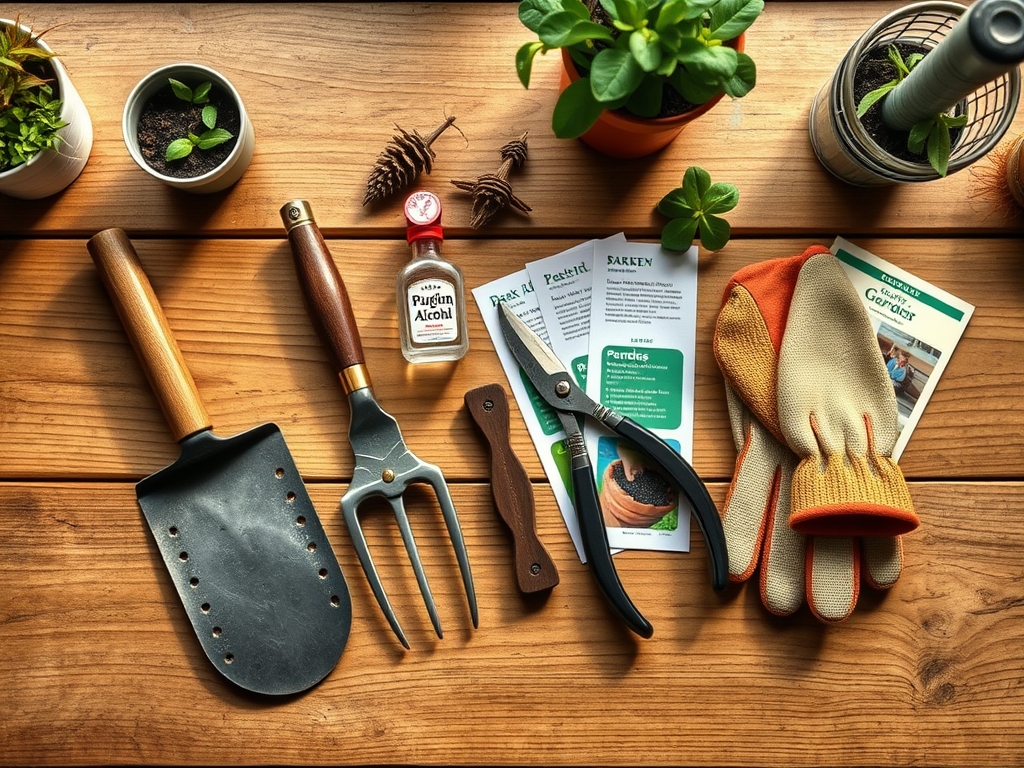
Isopropyl alcohol concentrations between 70% and 90% work best. The 70% solution contains enough water to slow evaporation, extending contact time with pest cuticles. Purchase pharmaceutical-grade isopropyl alcohol, free of additives like glycerin or perfumes that reduce efficacy.
Gather a spray bottle with adjustable nozzle settings. A fine mist prevents runoff and targets stomatal surfaces without saturating soil. Use distilled water for dilution. Municipal water with pH above 7.8 or chlorine content above 2 ppm interferes with alcohol's denaturing action.
For foliar support, prepare a kelp extract solution (0-0-1 NPK ratio) to apply 24 hours after alcohol treatment. The cytokinin content in kelp (approximately 50-100 ppm) aids membrane repair in stressed leaf cells. Neem cake (6-1-2 NPK) can be top-dressed post-treatment to deter reinfestation while feeding soil microbiota. Keep cotton swabs for spot treatment of heavily infested nodes.
Timing
Apply alcohol treatments during dormant or early vegetative growth phases, never during anthesis. Floral tissues show 40% higher sensitivity to desiccation than mature leaf tissue. In USDA Hardiness Zones 3-6, treat indoor plants from November through February when heating systems reduce ambient humidity below 35%. Outdoor applications work best in Zones 7-10 during the dry season, ideally 14-21 days before spring flush when auxin distribution peaks in apical meristems.
Avoid treatment within 72 hours of fertilization. Elevated nitrogen from synthetic sources (like 20-10-10 formulas) increases stomatal aperture, allowing alcohol to penetrate guard cells and cause localized necrosis. Target morning hours between 6 a.m. and 9 a.m. when transpiration rates remain below 2 millimoles per square meter per second.
Phases
Scouting Phase
Inspect leaf axils, petiole junctions, and the abaxial (underside) surfaces where mealybugs, aphids, and spider mites aggregate. Use a 10x hand lens to identify egg masses. Document infestation density: light (fewer than 10 insects per 4-inch leaf), moderate (10-50), or severe (more than 50 or visible honeydew deposits). Photograph affected areas to track treatment efficacy over 7-day intervals.
Pro-Tip: Check the cation exchange capacity of your potting medium. Substrates high in peat (CEC above 100 meq/100g) retain more moisture, requiring 15-20% less dilution to avoid phytotoxicity.
Application Phase
Dilute 70% isopropyl alcohol with distilled water at a 1:1 ratio for sensitive species like ferns, calatheas, and African violets. Use undiluted 70% alcohol on thick-leaved succulents and cacti. Fill the spray bottle and mist affected areas until droplets form but do not drip. For scale insects with hardened tests, dip cotton swabs in undiluted alcohol and apply directly to the protective covering. The alcohol dissolves waxy excretions within 15-30 seconds.
Treat all plant surfaces, including stems and the top 0.5 inches of soil where fungus gnat larvae pupate. Rotate the plant under indirect light to ensure even coverage. Avoid runoff into root zones; alcohol concentrations above 5% in soil solution damage mycorrhizal hyphae and beneficial Trichoderma colonies.
Pro-Tip: Add 2 drops of insecticidal soap (potassium salts of fatty acids) per 8 ounces of diluted alcohol. This improves adherence to waxy cuticles without altering pH beyond 0.3 units.
Recovery Phase
Wait 4-6 hours before moving treated plants back to their original light exposure. Alcohol residue evaporates fully within this window, preventing phototoxic burns. Monitor for bronzing or marginal chlorosis over the next 48 hours. Reapply treatment every 5-7 days for three cycles to intercept newly hatched nymphs. Between applications, foliar feed with diluted fish emulsion (5-1-1 NPK) at one-quarter strength to replenish amino acids in stressed epidermal cells.
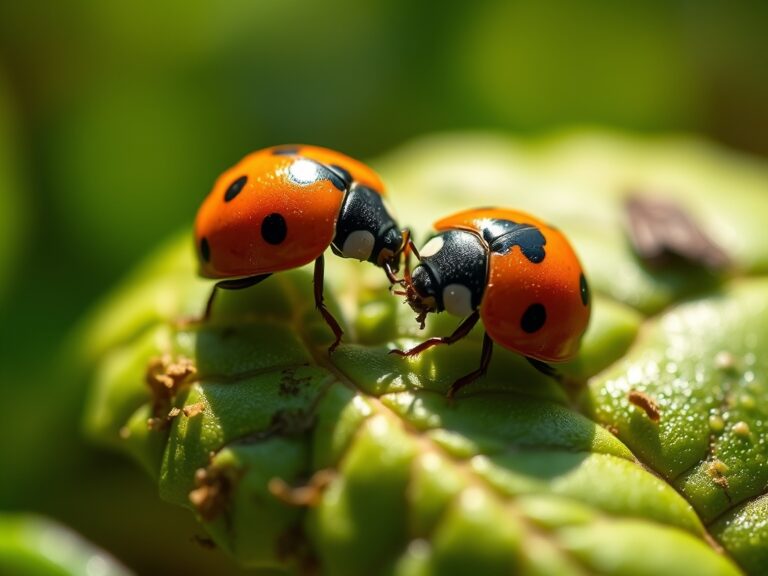
Pro-Tip: Introduce Cryptolaemus montrouzieri (mealybug destroyer beetles) 10 days after the final alcohol treatment. Residual alcohol vapor dissipates fully by day nine, ensuring biological controls establish without chemical interference.
Troubleshooting
Symptom: White, bleached spots on leaves within 12 hours of treatment.
Solution: Dilution ratio was too weak, or application occurred under direct sun. Increase water content to 2:1 (water to alcohol) and treat only in shade or artificial light.
Symptom: Pests return within 72 hours.
Solution: Egg masses survived. Alcohol does not penetrate chorion layers of insect eggs. Schedule treatments every 5 days to target emerging larvae before they reach reproductive maturity at 14 days.
Symptom: Leaf drop or sudden wilting post-treatment.
Solution: Alcohol penetrated roots via substrate runoff. Flush soil with 2 gallons of pH-adjusted water (6.0-6.5) per 6-inch pot. Reduce future spray volume by 30%.
Symptom: Sticky residue persists on foliage.
Solution: Honeydew from aphids remains after insects die. Wipe leaves with a 1% solution of horticultural soap 24 hours post-treatment to restore photosynthetic efficiency.
Maintenance
Water plants with 1 inch of water per week, measured with a rain gauge or soil probe at 3-inch depth. Maintain relative humidity between 40-60% to discourage spider mite reproduction, which accelerates below 30% humidity. Feed with balanced organic fertilizer (4-4-4 NPK) every 4 weeks during active growth. Prune dead tissue at a 45-degree angle, 0.25 inches above the nearest node, to prevent pathogen entry through ragged wounds.
Inspect plants weekly with magnification. Early detection reduces the need for repeated alcohol applications, which can stress plants with cation exchange capacities below 50 meq/100g. Quarantine new acquisitions for 14 days, treating prophylactically if sourced from high-humidity greenhouses where pest pressure exceeds field conditions.
FAQ
Can I use rubbing alcohol on edible herbs?
Yes, but only on non-flowering vegetative growth. Rinse treated leaves with distilled water after 30 minutes. Harvest no sooner than 7 days post-treatment to allow residue evaporation.
Does alcohol harm beneficial insects?
Direct contact kills all arthropods. Apply treatments in isolation, away from established predator populations like lacewings or parasitic wasps. Reintroduce beneficials 10 days after the final application.
How does alcohol compare to neem oil?
Alcohol acts in seconds; neem requires 48-72 hours and works via anti-feedant compounds (azadirachtin). Use alcohol for acute infestations, neem for long-term prevention.
Will alcohol damage succulents?
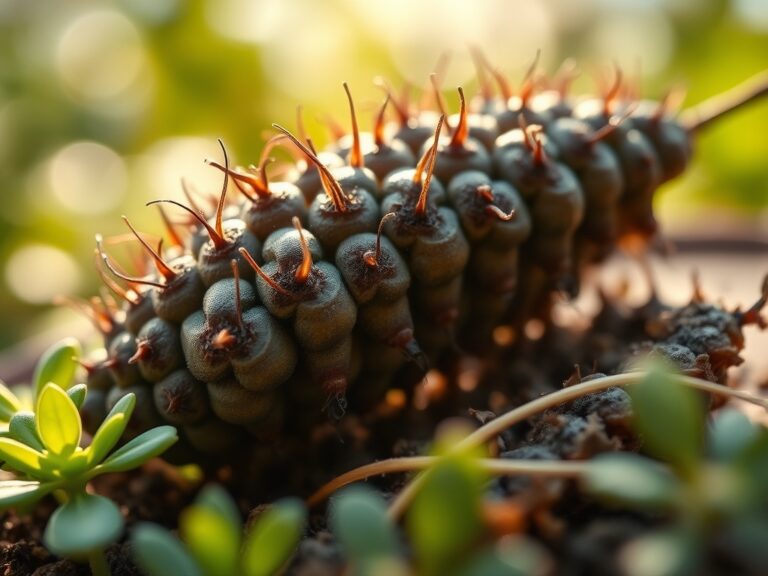
Thick cuticles tolerate undiluted 70% alcohol. Test on one areole first. Wait 48 hours to assess for discoloration before treating the entire plant.
Can I store diluted alcohol solutions?
No. Diluted mixtures lose potency within 6 hours as alcohol evaporates preferentially. Mix fresh batches for each treatment session to maintain concentration above 35%, the minimum threshold for insecticidal action.