7 Smart Ways How to Build a Brick Herb Spiral
Damp earth releases a sharp, metallic scent of geosmin when the first brick settles into the soil. A healthy herb leaf maintains high turgor pressure; it feels crisp and resists bending because the vacuoles are fully hydrated. Learning how to build a brick herb spiral requires more than masonry skills. It demands an understanding of microclimates and gravitational water movement. This three dimensional structure allows a gardener to cultivate Mediterranean woody shrubs and moisture loving perennials within a single six foot diameter footprint. By stacking thermal mass and utilizing vertical drainage, you create a gradient of environmental conditions that maximize the photosynthetic efficiency of your culinary collection.
Materials:
The foundation of a successful spiral is the substrate. You require a **friable loam** with a high **Cation Exchange Capacity (CEC)** to ensure nutrient availability. The ideal soil profile for the top tiers should have a **pH between 6.0 and 7.0**.
For the base layer, use a high-carbon organic mulch to encourage mycorrhizal symbiosis. The planting medium should follow a specific nutrient profile:
- Top Tier (Dry/Drainage): 40 percent coarse sand, 40 percent loam, 20 percent compost. Target an NPK ratio of 5-10-10 to encourage root development over excessive foliage.
- Middle Tier (Mesic): 60 percent loam, 30 percent compost, 10 percent perlite. Target an NPK ratio of 10-10-10.
- Bottom Tier (Moist): 50 percent loam, 50 percent well-rotted manure or leaf mold. Target an NPK ratio of 12-8-8 to support rapid vegetative growth in leafy herbs like parsley or mint.
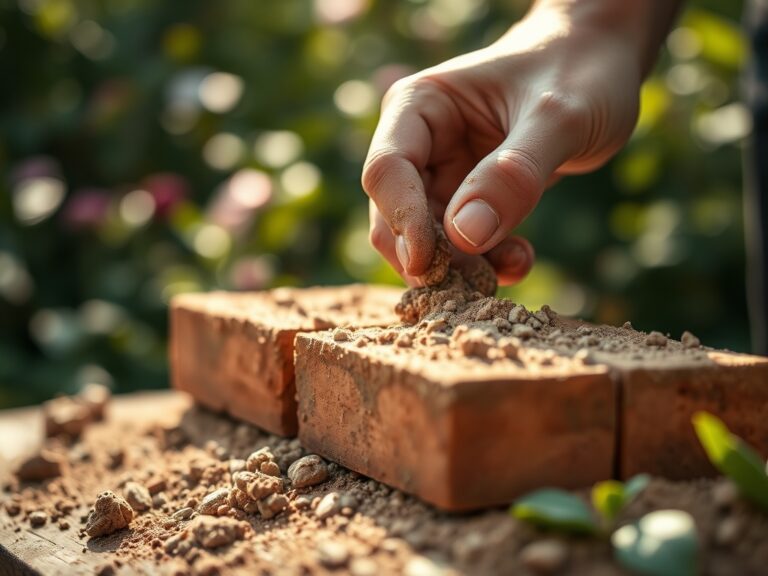
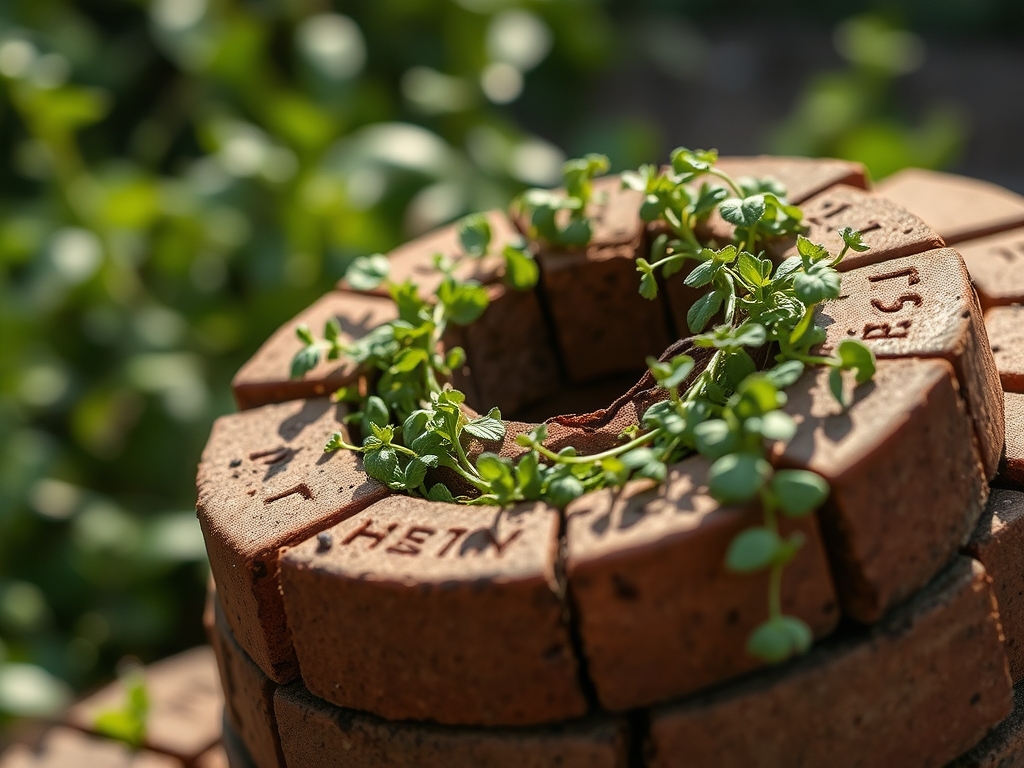
You will need approximately 200 to 250 reclaimed clay bricks. Avoid glazed bricks as they lack the porosity needed for evaporative cooling.
Timing:
Construction should commence in Hardiness Zones 4 through 8 during the window between the last hard freeze and the first flush of spring growth. This typically falls between late March and early May. Building during this period aligns with the "Biological Clock" of the plants; as soil temperatures reach a consistent 55 degrees Fahrenheit (12.8 Celsius), root respiration increases.
Transplanting during the transition from the vegetative stage to the reproductive stage is risky. Aim to have the spiral established at least three weeks before the summer solstice. This ensures the root systems are deep enough to survive the high transpiration rates caused by increased photoperiod length and solar intensity.
Phases:
Sowing and Site Preparation
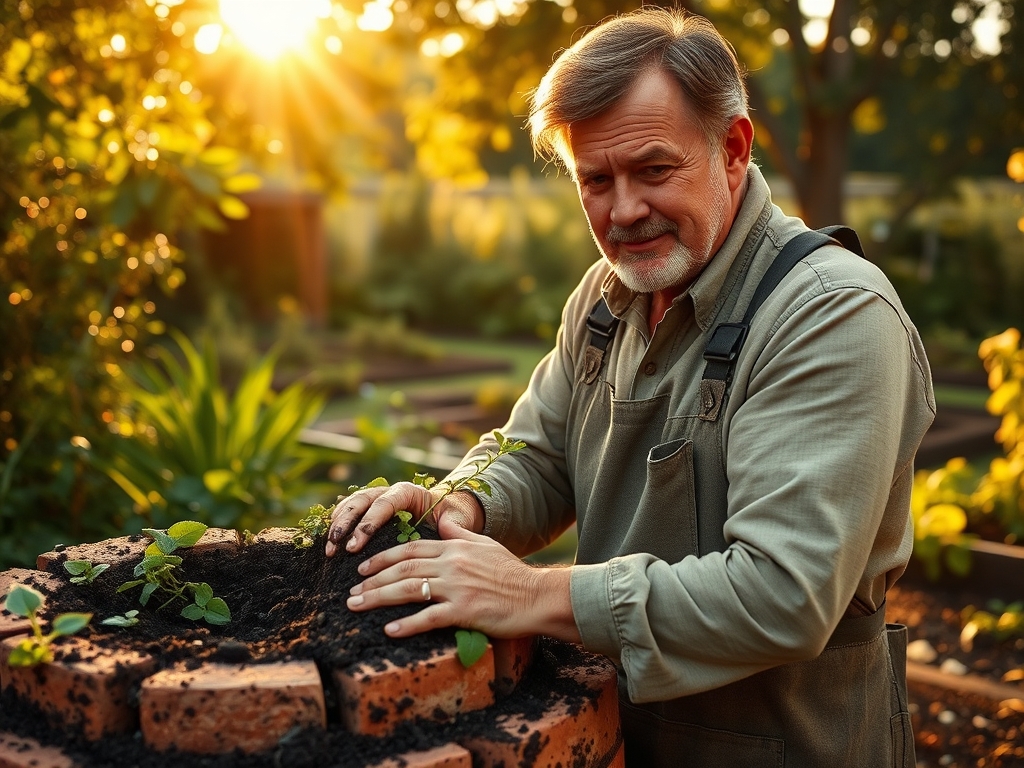
Clear a circle with a 6 foot diameter. Excavate the top 4 inches of turf to expose the mineral soil. Lay a base of cardboard to suppress weeds through light deprivation. Begin laying bricks in a clockwise spiral, starting from the center and moving outward. The center should eventually reach a height of 3 feet.
Pro-Tip: Ensure the spiral opens toward the south in the Northern Hemisphere. This maximizes solar radiation for the heat loving plants at the top while providing a "rain shadow" and cooler microclimate for the moisture lovers at the bottom.
Transplanting
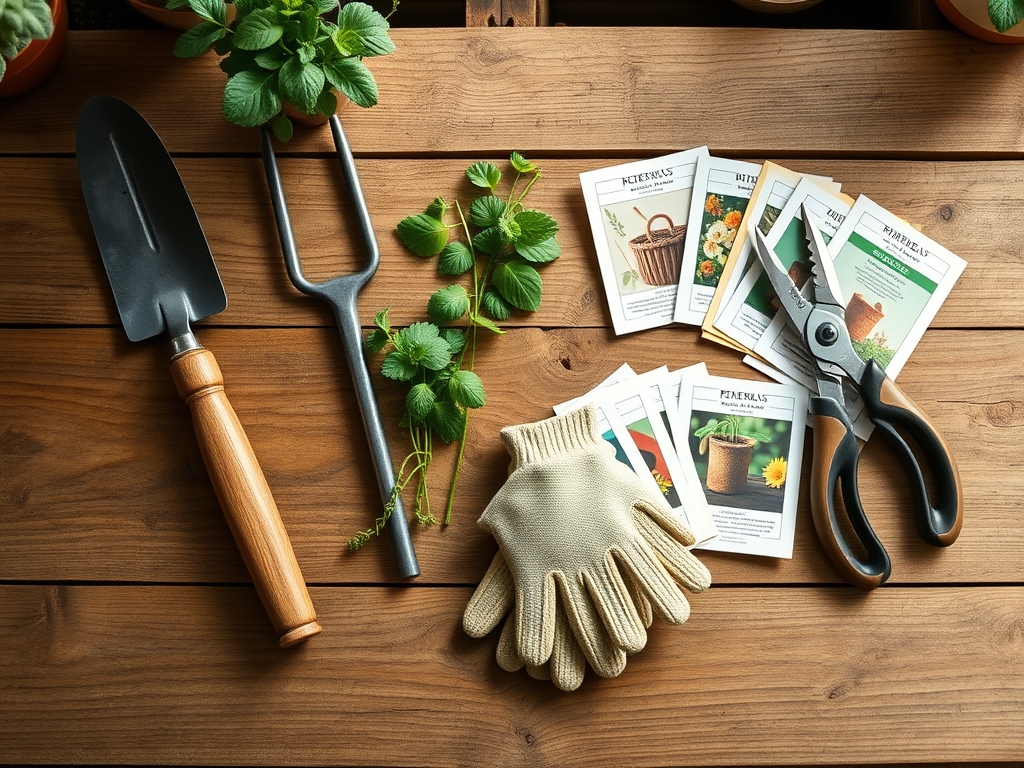
When placing plants, use a hori-hori knife to slice through any circling roots. This prevents "girdling" and encourages the roots to explore the new rhizosphere. Space plants according to their mature width; Rosemary requires at least 18 inches of clearance, while Thyme can be tucked into the crevices between bricks.
Pro-Tip: Apply a mycorrhizal inoculant to the root ball during transplanting. This fungal relationship increases the effective surface area of the roots by up to 1,000 percent, significantly improving phosphorus uptake through biological synergy.
Establishing
The first 14 days are critical for overcoming transplant shock. Maintain the soil at 60 percent field capacity. Avoid heavy nitrogen fertilization during this phase to prevent "leggy" growth that lacks the structural integrity to withstand wind.
Pro-Tip: Pinch off the apical meristem (the tip of the main stem) on young basil or mint. This triggers auxin suppression, forcing the plant to activate lateral buds and create a bushier, more productive form through apical dominance disruption.
The Clinic:
Physiological disorders often mimic pest damage but are usually rooted in environmental stress or nutrient imbalances.
- Symptom: Interveinal Chlorosis (Yellowing between leaf veins).
- Diagnosis: Iron or Magnesium deficiency.
- Solution: Check soil pH. If pH is above 7.5, iron becomes chemically locked. Lower pH with elemental sulfur or apply chelated iron.
- Symptom: Leaf Tip Burn.
- Diagnosis: High salinity or erratic watering causing localized calcium deficiency.
- Solution: Flush the spiral with 3 inches of water to leach accumulated salts and maintain consistent moisture levels.
- Symptom: Sudden Wilting with Wet Soil.
- Diagnosis: Root rot (Phytophthora).
- Solution: Improve drainage by adding coarse grit to the top tiers. Remove infected plants immediately to prevent the spread of fungal spores.
- Fix-It: Nitrogen Chlorosis.
- Identification: Entire leaf turns pale green or yellow, starting with older growth.
- Action: Apply a liquid seaweed extract or fish emulsion (high bioavailability) for an immediate nitrogen boost.
Maintenance:
Precision is the hallmark of a master gardener. Monitor the spiral daily using a soil moisture meter. The top tier (Rosemary, Sage, Lavender) requires only 0.5 inches of water per week once established. The bottom tier (Mint, Chives, Parsley) requires 1.5 to 2.0 inches of water per week at the drip line.
Use bypass pruners for clean cuts; anvil pruners crush the vascular tissue (xylem and phloem), creating an entry point for pathogens. Sanitize your tools with 70 percent isopropyl alcohol between plants to prevent the mechanical transmission of viruses. Every autumn, top-dress the spiral with 2 inches of compost to replenish the organic matter consumed by the soil microbes.
The Yield:
Harvesting is a tactical exercise in plant physiology. For most herbs, the essential oil concentration peaks just before flowering. Harvest in the early morning after the dew has evaporated but before the sun drives the volatile oils deep into the plant tissues.
Use sharp snips to remove no more than one third of the total biomass at any single time. This prevents the plant from entering senescence (biological aging) or shutting down due to extreme stress. For woody herbs like Rosemary, cut back to a node but never into the old wood that lacks active buds. To maintain freshness, place stems in a glass of cool water or wrap them in a damp paper towel and refrigerate at 34 to 38 degrees Fahrenheit to slow the metabolic rate.
FAQ:
What is the best diameter for a brick herb spiral?
A 6 foot diameter is the professional standard. This size allows the gardener to reach the center from any side without stepping on the soil, preventing compaction which destroys the delicate soil pore space and limits oxygen to the roots.
Can I build a spiral in the shade?
Most culinary herbs require a minimum of 6 to 8 hours of direct sunlight for optimal essential oil production. If your site is shaded, focus on shade-tolerant species like Mint, Chervil, or Lemon Balm at the base of the structure.
Why are my bricks crumbling?
This is typically caused by freeze-thaw cycles. If you used interior-grade bricks, they absorb water which expands when frozen. Always use severe-weather grade (SW) clay bricks or reclaimed paving bricks to ensure structural longevity in cold climates.
Do I need mortar to hold the bricks together?
Dry-stacking is preferred. A mortarless design allows for natural drainage and gas exchange through the cracks. It also permits the structure to shift slightly with the soil's natural expansion and contraction without cracking the masonry.