6 Simple Ways How to Make Herb Salt
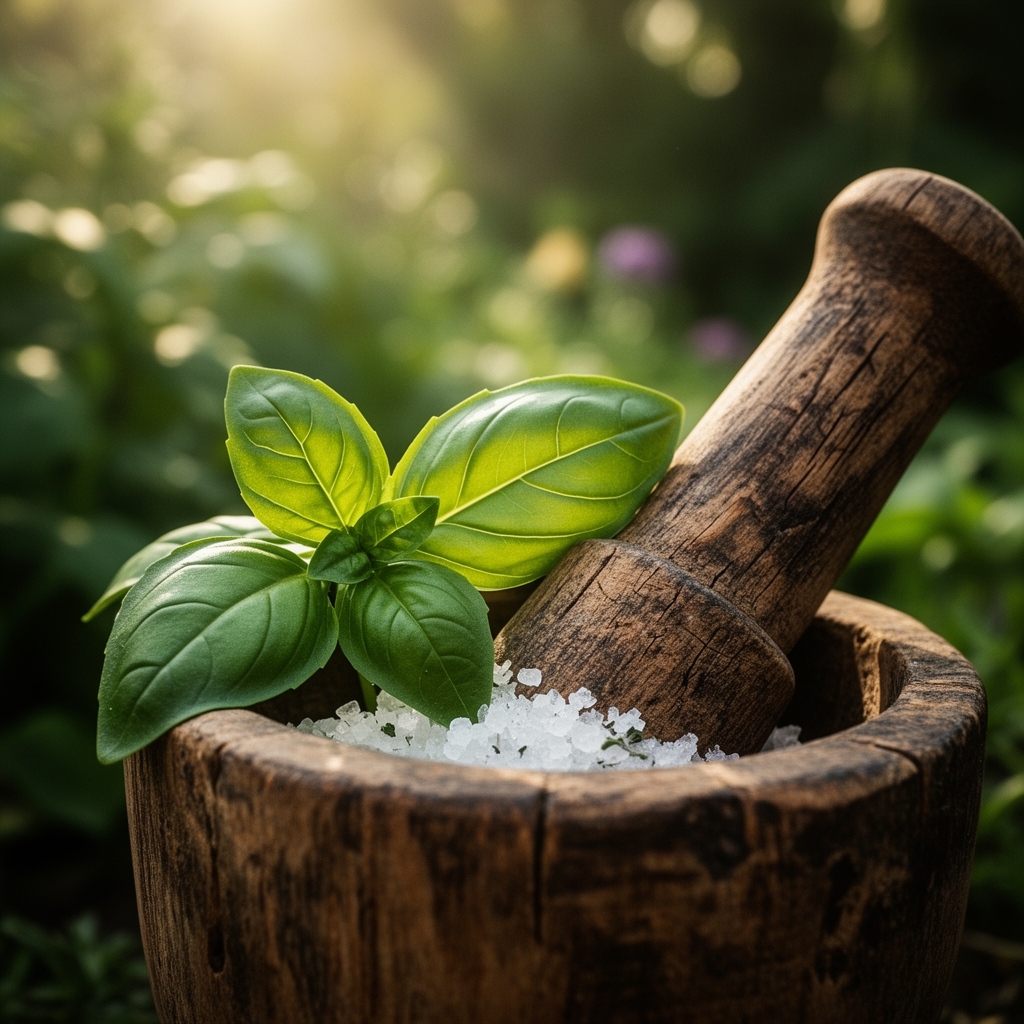
Learning how to make herb salt transforms kitchen leftovers into a compound that extends summer's harvest through winter. Fresh rosemary, thyme, and basil retain volatile oils when desiccated with coarse salt crystals, creating a stable matrix for terpenes and phenolic compounds. This preservation method relies on salt's hygroscopic properties, drawing moisture from plant tissue at a cellular level while concentrating aromatic molecules. The process demands attention to moisture ratios, drying temperatures, and storage chemistry. Understanding how to make herb salt begins with selecting herbs at peak oil production and pairing them with minerals that enhance both flavor and shelf stability.
Materials
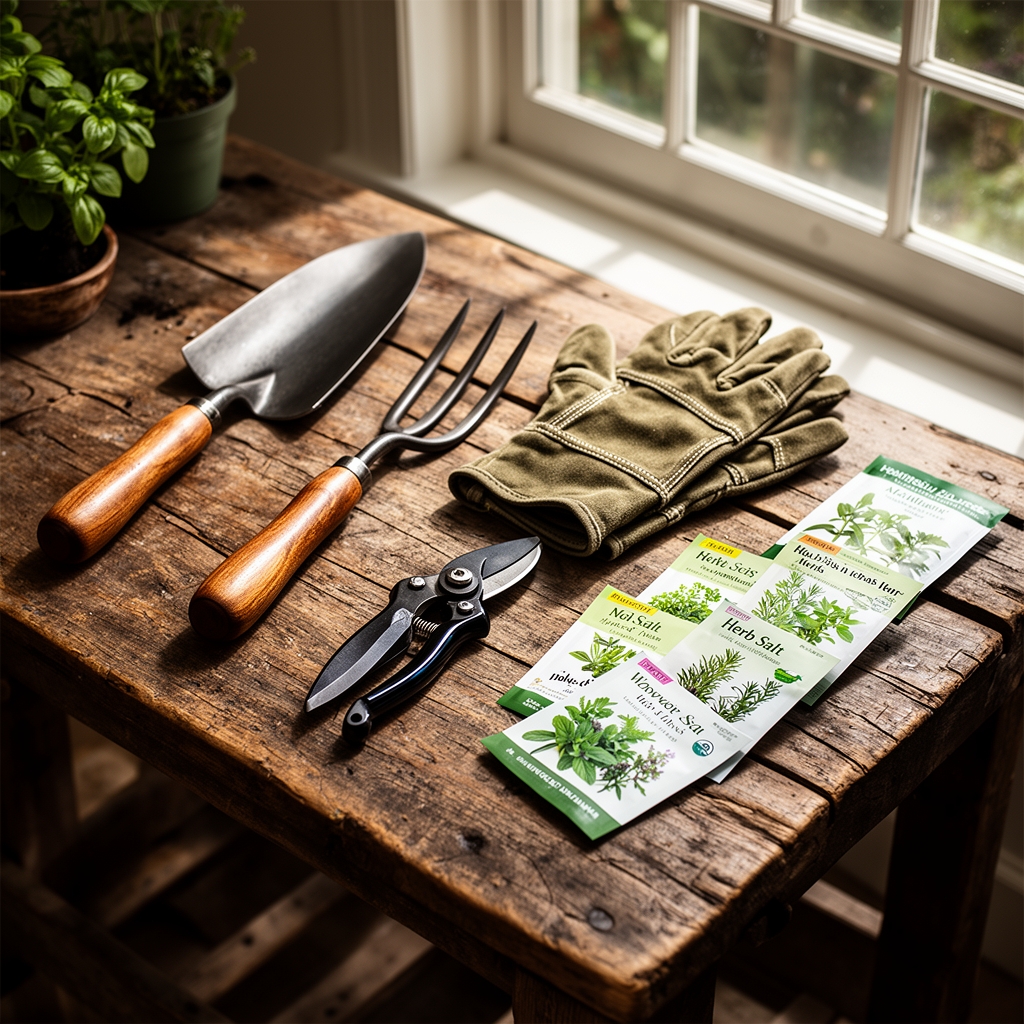
Select herbs at morning harvest, after dew evaporates but before volatile oil degradation begins under afternoon sun. Mediterranean species (Lamiaceae family members like rosemary, oregano, thyme, sage) contain 1.2-2.8% essential oil content by dry weight. Woody perennials offer higher oil concentration than annual soft herbs. For salt base, choose coarse sea salt or kosher salt with crystal sizes between 2-5 mm. Fine table salt contains anti-caking agents (calcium silicate, sodium ferrocyanide) that interfere with moisture absorption and create chemical off-flavors.
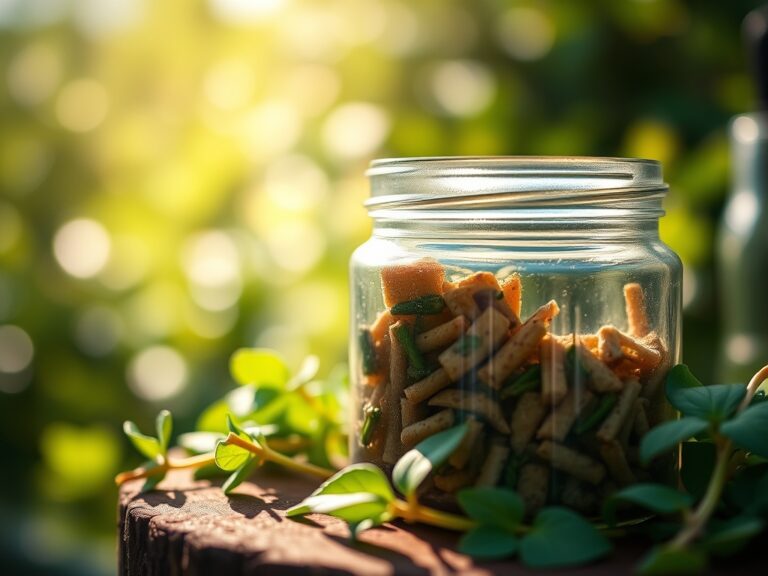
Equipment needs include food-grade dehydrator with adjustable thermostats, or a conventional oven capable of maintaining 95-115°F. A mortar and pestle or spice grinder with ceramic burrs prevents metal oxidation of herb oils. Glass storage jars with two-piece metal lids provide the best barrier against oxygen and humidity. Silica gel packets (2-5 grams per quart jar) maintain relative humidity below 15% during storage.
The optimal herb-to-salt ratio is 1:3 by volume for high-moisture herbs (basil, parsley, cilantro) and 1:4 for woody perennials with lower initial moisture content. These ratios account for water activity levels and prevent clumping or incomplete preservation.
Timing
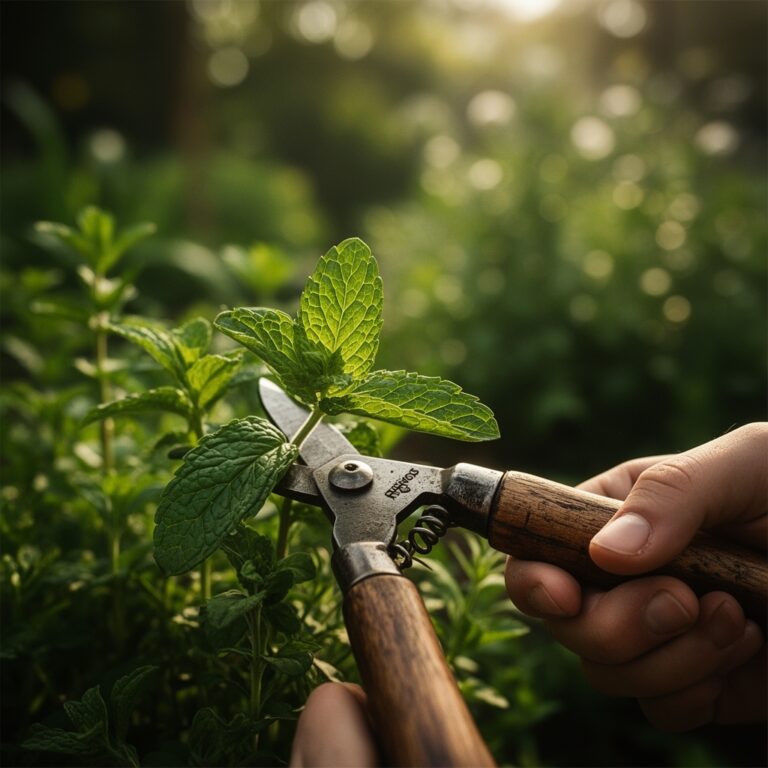
Harvest herbs between Zones 4-9 when plants reach 60-70% of mature height, typically 8-10 weeks post-germination for annuals. Woody perennials yield optimal oil content after spring's first flush of growth hardens off, usually late May through June in temperate zones. Avoid harvesting within 48 hours of rainfall, as excess tissue moisture dilutes essential oil concentration and extends drying time.
Process herbs within 2 hours of cutting. Cellular respiration continues post-harvest, consuming aromatic compounds at rates up to 8% per hour at room temperature. Enzyme activity (polyphenol oxidase, lipoxygenase) degrades terpene alcohols and esters that define herb character.
For fall batches, complete processing 30 days before first frost date. Cold exposure below 50°F triggers chlorophyll breakdown and bitter flavors in basil species. Late-season rosemary and thyme tolerate light frost, which can actually increase camphor and carvacrol concentrations by 12-18%.
Phases

Preparation Phase
Strip leaves from stems, discarding woody tissue that contributes astringent lignin notes. Rinse herbs only if soil particles or aphid honeydew is visible. Excess water extends drying time and promotes microbial growth. Pat dry with lint-free cloth or use salad spinner at low RPM to avoid bruising cell walls.
Chop herbs to 3-6 mm pieces. Smaller particle size increases surface area for salt penetration and oil release. Crushing releases vacuole contents and enzymes simultaneously, so work quickly after cutting.
Pro-Tip: Freeze-drying removes 99% of moisture while preserving 85-90% of volatile compounds, compared to 65-75% retention in conventional drying. If equipment is available, freeze-dry herbs at -40°F under 0.1 mBar vacuum for 18-24 hours before mixing with salt.
Desiccation Phase
Layer herb pieces with salt in 1:3 ratio by volume in glass or ceramic vessel. Mix thoroughly, ensuring salt contacts all plant surfaces. Salt crystals create osmotic pressure differential of 50-100 atmospheres, rupturing cell membranes and extracting intracellular moisture.
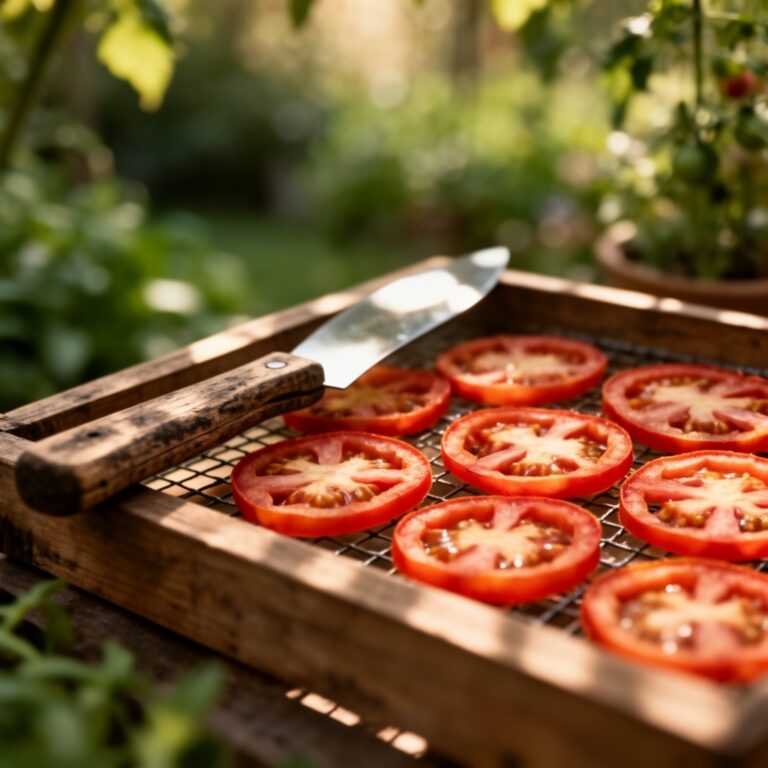
Spread mixture on dehydrator trays in layers no deeper than 0.5 inches. Set temperature to 95-105°F. Higher temperatures (above 115°F) volatilize monoterpenes like linalool and limonene. Drying time ranges from 6-12 hours depending on initial moisture content and ambient humidity.
Stir mixture every 90 minutes to expose moist interior portions and prevent case-hardening, where exterior dries while interior retains 20-30% moisture.
Pro-Tip: Add 0.5% food-grade calcium chloride (by weight of salt) to enhance moisture absorption. Calcium's divalent cation binds water molecules more effectively than sodium's monovalent structure.
Finishing Phase
Herb salt reaches completion when mixture flows freely without clumping and herbs crumble to powder under finger pressure. Moisture content should measure below 6% on digital moisture meter.
Pulse dried mixture 3-5 times in spice grinder for 2-3 seconds each. Over-processing generates heat above 110°F and creates powdery texture that absorbs ambient moisture rapidly.
Transfer to sterilized glass jars, filling to within 0.5 inch of rim. Add silica gel packet and seal immediately. Store in dark location below 70°F. Exposure to light degrades chlorophyll and carotenoids, creating stale hay aromas within 30 days.
Pro-Tip: Vacuum-seal jars using brake bleeder pump attached to jar lid. Removing oxygen prevents oxidative rancidity of unsaturated fatty acids in herb oils, extending shelf life from 6 months to 18 months.
Troubleshooting
Symptom: Salt clumps after 2-3 weeks of storage.
Solution: Moisture content exceeded 8% at packaging. Re-dry mixture at 105°F for 2 hours. Add fresh silica gel and reduce storage temperature to 60-65°F. High ambient humidity (above 60% RH) requires daily monitoring and silica replacement every 30 days.
Symptom: Brown or black discoloration in basil or parsley.
Solution: Polyphenol oxidase activity caused enzymatic browning. Blanch fresh herbs in boiling water for 15 seconds before processing to denature enzymes. Ice bath immediately to halt cooking. Pat completely dry before mixing with salt.
Symptom: Musty or fermented odor.
Solution: Microbial growth occurred due to inadequate desiccation. Discard batch. Lactobacillus and Acetobacter species colonize mixtures above 15% moisture content. Sanitize equipment with 2% bleach solution and dry thoroughly before next batch.
Symptom: Loss of aroma after 4 months.
Solution: Volatile terpenes escaped through poor seal or light exposure. Transfer to amber glass jars with PTFE-lined lids. Store at 50-55°F in dark pantry. Add 1-2 whole dried bay leaves per pint jar; eucalyptol compounds in bay inhibit oxidative degradation.
Symptom: Bitter or soapy aftertaste.
Solution: Drying temperature exceeded 120°F, isomerizing terpene alcohols to bitter ketones. Temperature control within +/- 5°F is critical. Calibrate oven or dehydrator thermometer against certified mercury thermometer.
Maintenance
Inspect jars weekly for first month, checking for condensation on glass interior or clumping. If moisture appears, re-dry entire batch immediately. Replace silica gel packets every 60 days in humid climates (above 50% RH), every 90 days in arid regions.
Label jars with herb species, harvest date, and processing date. Herb salts maintain peak flavor for 6 months, acceptable quality for 12 months, and marginal quality up to 18 months. Rotation through inventory prevents waste.
Store opened jars away from heat sources (stoves, dishwashers) that create thermal cycling and condensation. Return unused portion to jar immediately after measuring. Exposure to air introduces moisture and contaminants.
FAQ
What herbs work best for making herb salt?
Woody perennials with high essential oil content perform best: rosemary (1.8% oil), thyme (2.5% oil), oregano (3.5% oil), sage (2.2% oil). Soft herbs like basil require faster processing but create excellent blends when mixed 1:1 with woody species.
Can I use fresh herbs without drying them first?
No. Fresh herbs contain 70-85% moisture, creating environment for bacterial growth. Salt alone cannot desiccate this volume of water quickly enough to prevent spoilage. Pre-drying to below 40% moisture is essential.
What salt-to-herb ratio produces the strongest flavor?
A 3:1 salt-to-herb ratio (by volume) balances preservation with flavor intensity. Higher herb concentrations (2:1) risk incomplete desiccation. Lower ratios (4:1) create mild seasoning suitable for salt-sensitive diets.
How do I prevent caking in humid environments?
Add 2% food-grade calcium chloride or 1% rice flour to finished blend. Both absorb ambient moisture before it affects salt crystals. Store jars in climate-controlled space at 35-45% relative humidity. Replace silica packets monthly during summer months.
Does herb salt need refrigeration?
No. Properly desiccated herb salt (below 6% moisture) remains stable at room temperature. Refrigeration introduces condensation risk when jars move between cold and warm environments. Cool, dark pantry storage (55-70°F) is ideal.