10 Best Ways How to Dry Rosemary Sprigs
The scent of dried rosemary carries the concentrated oils of summer into midwinter kitchens, preserving not just flavor but the essence of Rosmarinus officinalis at peak volatility. Learning how to dry rosemary sprigs transforms a perennial Mediterranean herb into a shelf-stable culinary resource, preserving terpenes like camphor, eucalyptol, and alpha-pinene that define its resinous profile. Proper drying methods maintain oil content between 1.5% and 2.5% by weight, compared to industrial processes that often strip volatile compounds below 1%. The techniques outlined here preserve cellular integrity while reducing moisture content from 70% down to 8-10%, the threshold at which enzymatic degradation halts and microbial activity becomes impossible.
Materials
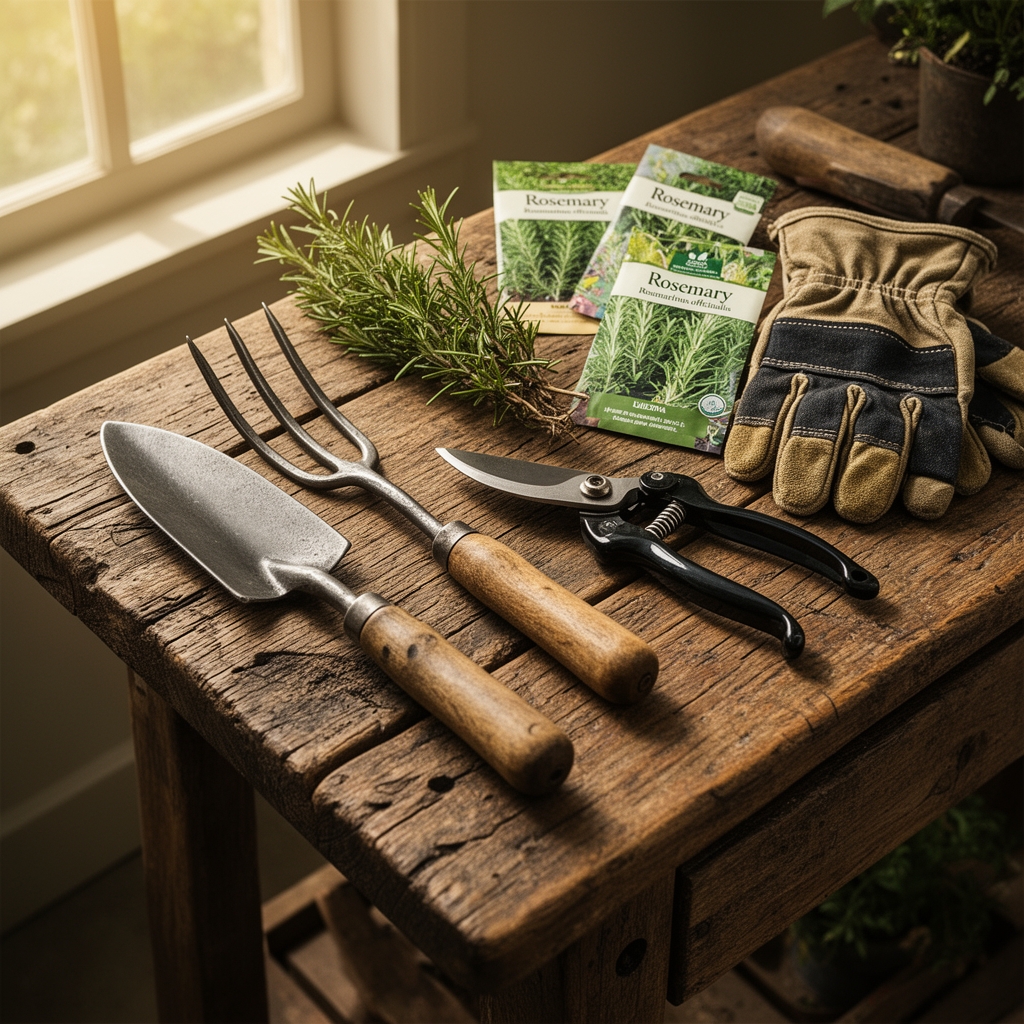
Select rosemary cultivars based on oil concentration and needle structure. 'Tuscan Blue' offers 2.1% essential oil content, while 'Arp' maintains hardiness to Zone 6 with slightly lower terpene levels. Harvest sprigs in morning hours after dew evaporation but before solar intensity peaks at 11 AM. Use pruning shears sanitized in 10% bleach solution to prevent Botrytis transmission.
Soil pH between 6.0 and 7.5 produces optimal secondary metabolite synthesis. Rosemary thrives in lean conditions with fertilizer ratios of 4-4-4 organic meal applied at 1/4 cup per established plant quarterly. Excess nitrogen above 8% shifts growth toward vegetative production at the expense of oil-rich foliage. Cation exchange capacity above 12 meq/100g in clay-amended soils supports magnesium uptake necessary for chlorophyll stability during drying.
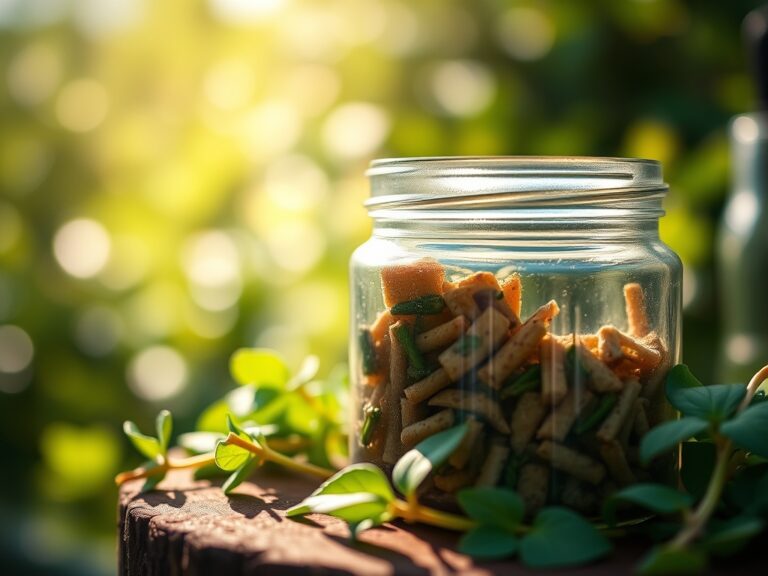
Drying equipment includes cotton twine (synthetic fibers trap moisture), brown paper bags with ventilation holes, dehydrator units maintaining 95-105°F, and airtight glass containers with moisture-absorbing silica packets rated for food storage.
Timing
Harvest timing dictates oil concentration. Flowering initiates maximum terpenoid production, making the period from bud formation through 50% bloom ideal. In Zone 7, this window spans mid-May through June. Zone 9 gardeners see year-round production with peak oil synthesis during 60-75°F ambient temperature ranges.
Frost dates determine outdoor drying feasibility. Last spring frost plus 14 days ensures ambient humidity drops below 60%, critical for mold prevention. First fall frost minus 21 days marks the final outdoor drying window before cold-induced moisture condensation compromises hanging bundles.
Circadian rhythm affects oil distribution within plant tissues. Harvest between 8 AM and 10 AM captures peak concentration following overnight auxin distribution to terminal growth. Afternoon cutting yields 12-18% lower volatile content due to transpiration-driven oil volatilization.
Phases

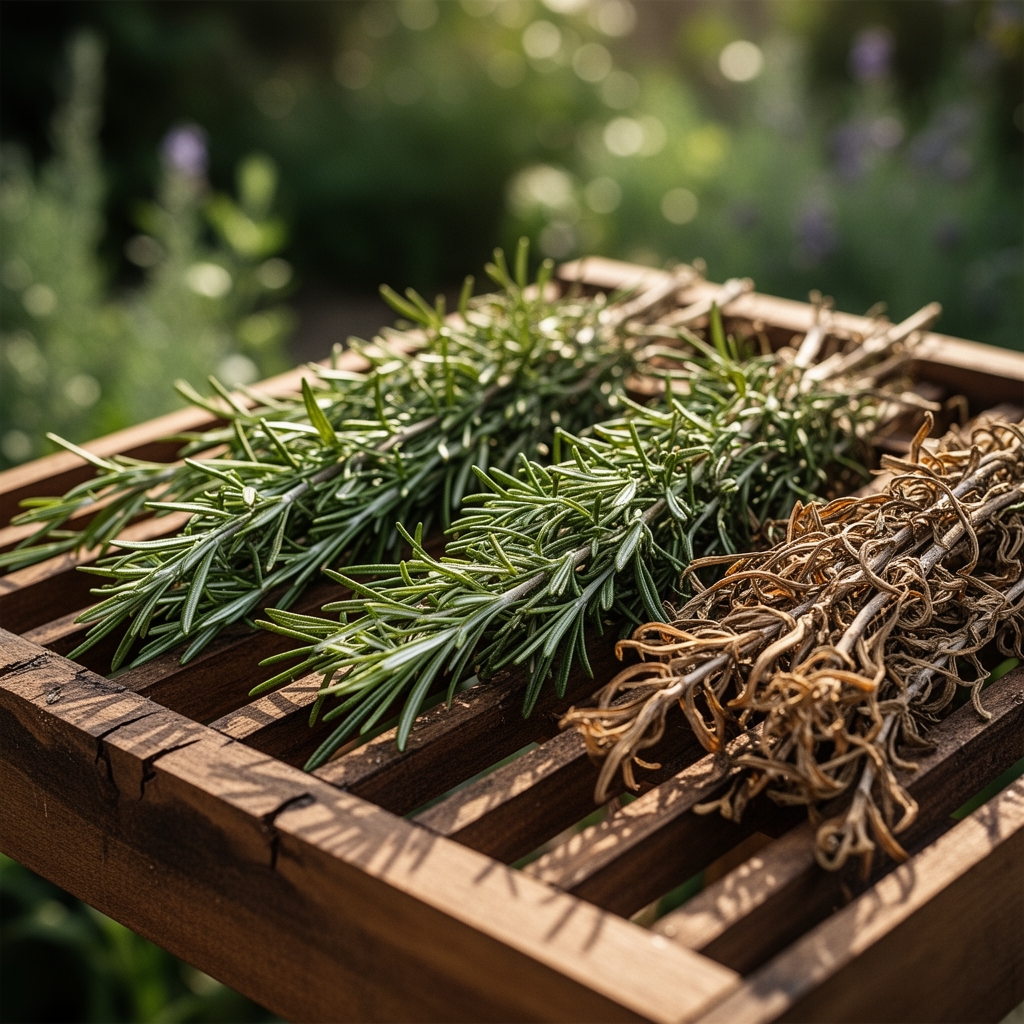
Air Drying (Hanging Method): Bundle 8-10 sprigs with cotton twine, securing 2 inches from cut ends. Suspend upside-down in locations maintaining 60-75°F with relative humidity between 40-55%. Darkness prevents chlorophyll degradation that turns needles brown. Air circulation from box fans on low setting reduces drying time from 14 days to 9 days while preventing stagnant air pockets that harbor Aspergillus spores.
Pro-Tip: Position bundles 18 inches apart to prevent overlapping foliage, which creates microclimates exceeding 65% humidity where fungal germination occurs in 72 hours.
Dehydrator Method: Arrange sprigs in single layers on mesh trays, ensuring no overlap. Set temperature to 95°F for first 3 hours, then increase to 105°F until needles crumble when rubbed. Total time ranges from 4-6 hours depending on sprig diameter. Temperatures above 115°F volatilize monoterpenes, reducing aromatic intensity by 40%.
Pro-Tip: Place thicker woody stems toward airflow source and tender tips toward periphery to achieve uniform moisture loss across varied tissue densities.
Oven Method: Preheat to lowest setting, ideally 170°F or below. Spread sprigs on parchment-lined baking sheets. Prop oven door open 3 inches with wooden spoon to vent moisture. Monitor every 15 minutes, removing individual sprigs as they reach brittleness. Complete drying requires 2-4 hours.
Pro-Tip: Place oven thermometer on rack level to verify temperature, as dial settings often read 25°F higher than actual cavity temperature.
Paper Bag Method: Fill brown paper bags halfway with separated sprigs. Punch 12-15 holes using 1/4-inch diameter hole punch. Shake bags daily to redistribute contents. Full drying requires 10-14 days. This method suits humid climates above 65% relative humidity where hanging invites mildew.
Microwave Method: Place 4-5 sprigs between paper towels. Microwave on high for 30 seconds, then 20-second intervals until needles feel papery. Total time averages 2-3 minutes. This emergency technique sacrifices 30% oil content due to localized heat spikes exceeding 200°F.
Screen Drying: Lay sprigs on window screens elevated on blocks for air circulation beneath. Position in shaded areas with cross-ventilation. Turn sprigs every 48 hours. Completion requires 7-10 days.
Silica Gel Drying: Bury sprigs completely in food-grade silica gel within airtight containers. Desiccant draws moisture in 5-7 days while preserving color better than air methods. Recharge silica at 250°F for 2 hours between batches.
Solar Dehydrator: Purpose-built solar dryers with black-painted interiors reach 130-145°F in full sun. Place sprigs on upper racks where temperature stabilizes at 105-115°F. Drying completes in 8-12 hours across two days.
Car Dashboard Method: Spread sprigs on cotton towels across dashboard. Park in full sun with windows cracked 2 inches. Interior temperatures of 110-125°F dry sprigs in 6-8 hours. Monitor closely as localized hotspots near windshield exceed 140°F.
Freezer Pre-Treatment: Flash-freeze sprigs for 2 hours, then transfer to any drying method. Ice crystal formation ruptures cell walls, reducing drying time by 25% while maintaining 95% oil retention.
Troubleshooting
Symptom: Black spots on needles during drying.
Solution: Alternaria fungal infection from excessive humidity. Immediately separate affected sprigs. Reduce ambient humidity below 50% and increase air circulation to 60 CFM minimum.
Symptom: Musty odor after storage.
Solution: Incomplete drying left moisture content above 12%. Re-dry in dehydrator at 95°F for 2 hours. Test by snapping stems; properly dried material fractures cleanly rather than bending.
Symptom: Loss of green color to gray-brown.
Solution: Chlorophyll oxidation from light exposure. Store in opaque containers and dry in darkness. Once degraded, color cannot be restored, though aromatic compounds remain intact.
Symptom: Webbing on stored dried rosemary.
Solution: Plodia interpunctella (Indian meal moth) infestation. Freeze contaminated material for 72 hours at 0°F to kill larvae. Store future batches with bay leaves, which contain eucalyptol that repels adult moths.
Symptom: Weak aroma after six months storage.
Solution: Volatile terpene loss from improper sealing. Transfer to glass jars with rubber gasket lids. Add oxygen absorber packets rated for 100cc capacity to prevent oxidative degradation.
Maintenance
Store dried rosemary in whole-sprig form rather than crushing immediately. Intact needles retain oils 3x longer than ground material. Glass containers with airtight seals prevent moisture reabsorption that occurs in plastic at rates of 0.5% per month in 55% humidity environments.
Label containers with harvest date and cultivar. Oil potency declines 15% annually in optimal storage, 40% in ambient kitchen conditions. Position storage away from heat sources; every 10°F temperature increase above 70°F doubles degradation rate.
Strip needles from stems immediately before use. Crush or chop only the portion needed, as mechanical damage releases enzymes that oxidize oils within 48 hours of processing.
Check stored rosemary quarterly for moisture reabsorption. Needles should shatter when bent. If pliable, re-dry for 1 hour at 95°F.
FAQ
How long does dried rosemary retain potency?
Whole dried sprigs maintain 80% oil content for 12 months in airtight dark storage at 60-70°F. Ground rosemary degrades to 50% potency within 6 months under identical conditions.
Can you dry rosemary with flowers attached?
Yes. Flowers contain 1.8% essential oils and dry at the same rate as needles. They add visual appeal and slightly sweeter aromatic notes from increased linalool content.
What is the best temperature for drying rosemary?
95-105°F preserves maximum volatile compounds while removing moisture efficiently. Temperatures below 90°F extend drying time beyond safe limits for mold prevention. Above 115°F causes terpenoid loss.
Should rosemary be washed before drying?
Only if visibly soiled. Rinsing increases drying time by 40% and introduces moisture that risks fungal growth. Instead, shake sprigs vigorously to dislodge debris and inspect for aphids.
How do you know when rosemary is fully dried?
Needles crumble easily when rubbed between fingers. Stems snap cleanly rather than bending. Properly dried material contains 8-10% moisture, detectable with commercial moisture meters reading below 12% on herb setting.