8 Simple Ways How to Store Winter Squash
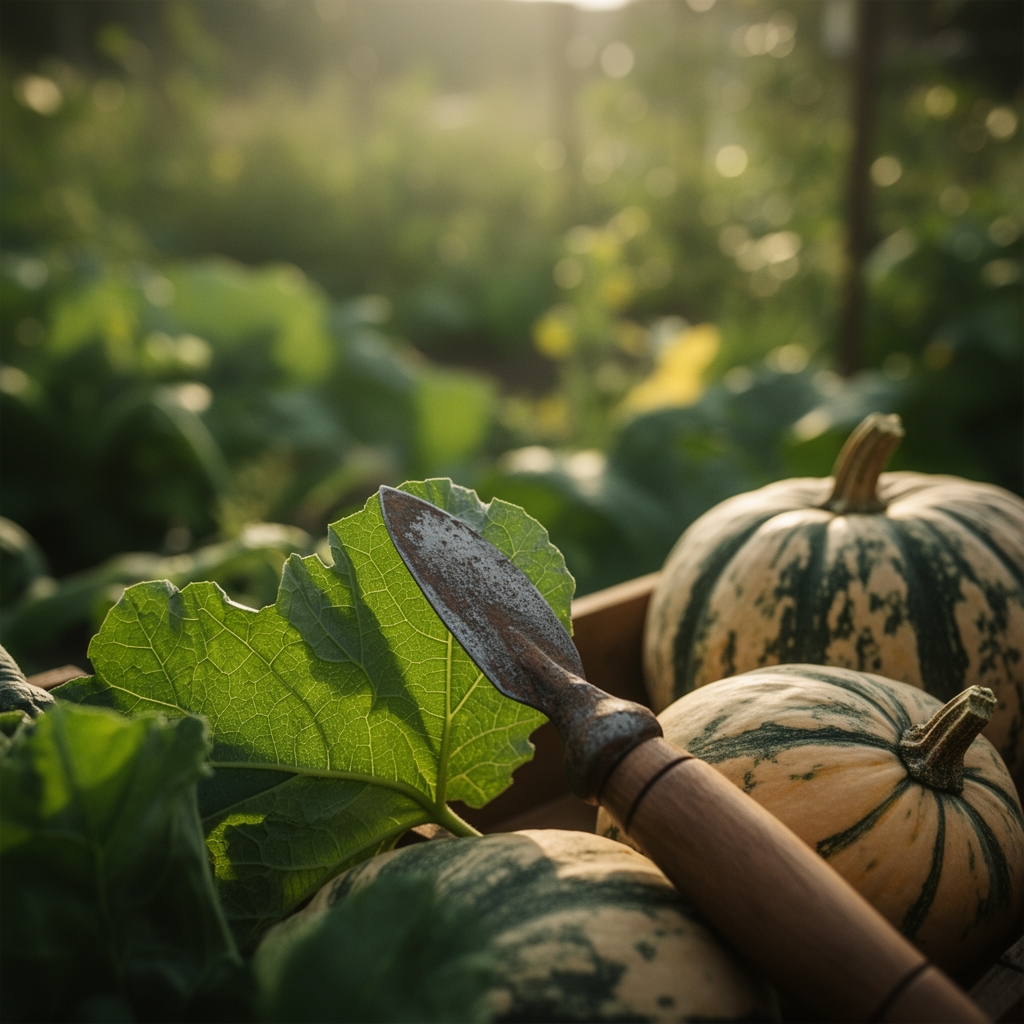
Winter squash pulled fresh from the vine feels solid and waxy, a dense weight in your palm that promises months of storage if handled correctly. The key to learning how to store winter squash lies not in refrigeration or processing, but in understanding the fruit's natural curing biology and creating conditions that slow respiration without triggering rot. Most cultivars, from butternut to kabocha, need 10 to 14 days of controlled warmth to harden their skins and convert starches to sugars before long-term cellaring begins.
Materials
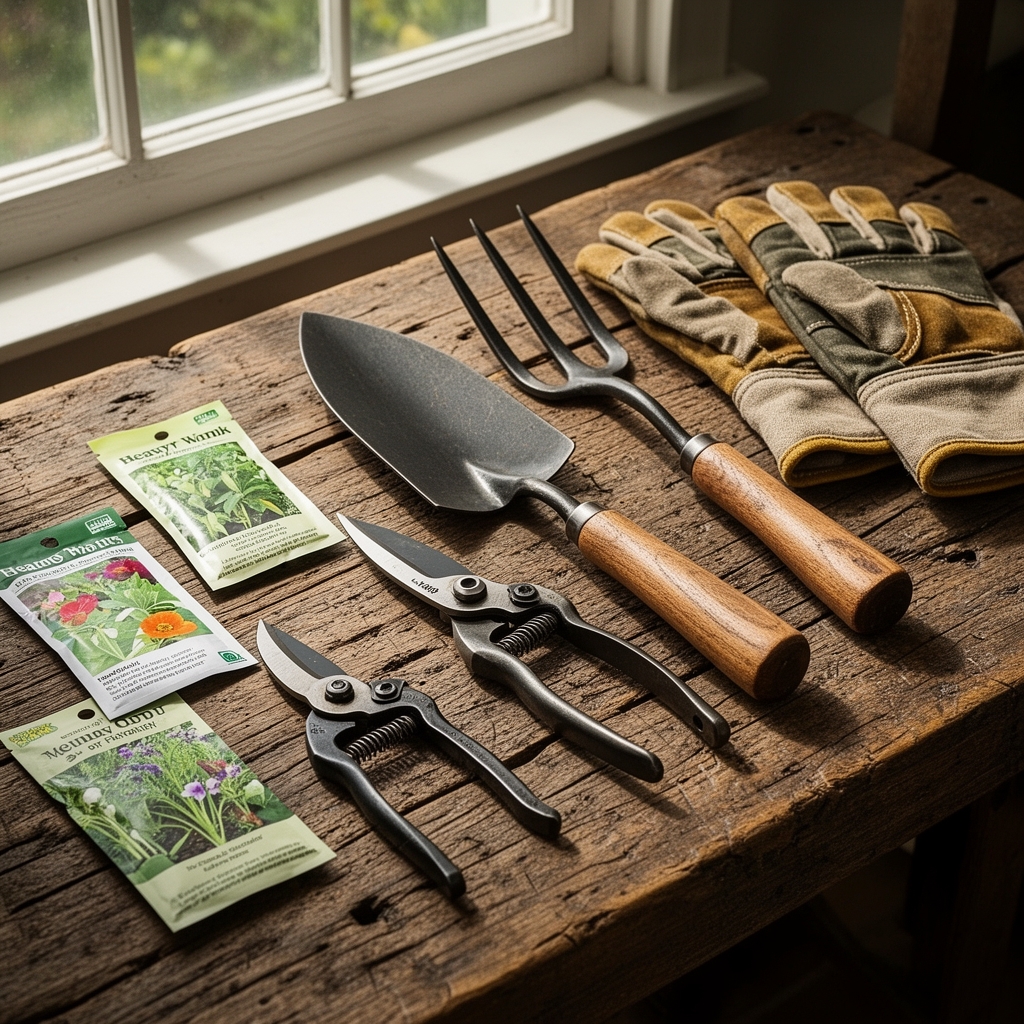
Proper storage infrastructure requires minimal investment but precise environmental control. You need a curing space capable of holding 80 to 85°F with 80 to 85% relative humidity for the initial phase. A basement room, heated garage, or insulated shed works well if you can monitor conditions with a hygrometer and thermometer. For long-term storage, aim for 50 to 55°F and 50 to 70% humidity. Avoid treated wood shelving, which can harbor fungal spores. Instead, use wire racks or slatted wooden shelves that allow 360-degree air circulation.
Soil amendments during the growing season directly affect storage longevity. Apply a balanced 4-4-4 organic meal at transplanting to support cell-wall development. Squash grown in soils with pH 6.0 to 6.8 and adequate calcium (1,500 to 2,000 ppm) form thicker rinds with better lignification. Excess nitrogen, particularly above 5-10-10 ratios late in the season, produces watery flesh that deteriorates rapidly. Mycorrhizal fungi inoculation at planting increases phosphorus uptake, improving rind density and post-harvest resilience.
Timing
Winter squash harvesting windows align with frost dates and physiological maturity indicators. In USDA Hardiness Zones 5 through 7, plan to harvest 80 to 110 days after transplanting, typically mid-September through late October. The fruit must mature fully on the vine. Check that the stem has corked over and turned brown, the rind resists puncture from a thumbnail, and the ground spot has shifted from white to cream or tan.
Harvest before the first hard frost, defined as temperatures at or below 28°F for more than four hours. Light frosts of 32 to 30°F may not damage mature squash, but any tissue freezing compromises cellular integrity and invites bacterial soft rot during storage. In Zone 8 and warmer, extend harvest into November but monitor for powdery mildew, which weakens rinds and shortens shelf life.
Phases

Harvesting Phase
Cut stems 2 to 3 inches above the fruit using bypass pruners sterilized in 10% bleach solution. Never carry squash by the stem alone. The stem acts as a cork, preventing pathogen entry through the vascular bundle. Handle each fruit individually to avoid skin abrasions. Wounds expose the cortex to Fusarium, Alternaria, and Rhizopus fungi.
Pro-Tip: Harvest during mid-morning after dew has evaporated but before afternoon heat peaks. This timing reduces field heat and surface moisture, both of which accelerate microbial colonization.
Curing Phase
Arrange squash on racks with at least 2 inches of space between fruits. Maintain 80 to 85°F and 80 to 85% humidity for 10 to 14 days. During this period, suberin and lignin polymerize in the rind, surface wounds suberize, and excess moisture evaporates from the flesh. Proper curing extends storage from 8 weeks to 6 months depending on cultivar.
Pro-Tip: Place a shallow pan of water in the curing room if ambient humidity drops below 75%. Low humidity during curing causes premature rind hardening before internal moisture equilibrates, leading to shriveling.
Storage Phase
After curing, transfer squash to a dark space at 50 to 55°F with 50 to 70% humidity. Check weekly for soft spots, which indicate fungal invasion. Remove affected fruits immediately to prevent ethylene-triggered ripening cascades. Buttercup and kabocha types store 3 to 4 months. Butternut and Hubbard cultivars last 5 to 6 months under optimal conditions.
Pro-Tip: Store squash on individual cardboard squares rather than touching each other. This practice isolates fungal spread and prevents pressure bruising at contact points.
Troubleshooting
Symptom: Soft, water-soaked lesions expanding from blossom end within two weeks of storage.
Solution: Blossom-end rot initiated during fruit development due to calcium deficiency. Cull affected fruits. Next season, maintain consistent soil moisture and apply foliar calcium at flowering.
Symptom: White cottony mold with black sclerotia on rind surface.
Solution: Sclerotinia sclerotiorum infection. Remove infected squash and reduce storage humidity to 60%. Increase air circulation with oscillating fans.
Symptom: Sunken, dry brown spots appearing 4 to 6 weeks into storage.
Solution: Anthracnose carried from field. Lesions develop slowly at cool temperatures. Discard fruit. Improve field sanitation and apply copper fungicides pre-harvest next season.
Symptom: Rapid collapse and foul odor within days of storage.
Solution: Bacterial soft rot from Erwinia or Pseudomonas entering through harvest wounds. Remove all affected fruits. Sterilize storage area with quaternary ammonium solution.
Maintenance
Inspect stored squash every 7 days. Remove any fruit showing softness or color change. Do not wash squash before storage. Water on the rind surface raises local humidity above 90%, triggering spore germination. If field soil clings to the fruit, allow it to dry completely and brush off with a soft cloth.
Maintain storage temperature within 2 degrees of the 50 to 55°F target. Fluctuations above 60°F accelerate respiration and sugar conversion. Temperatures below 45°F cause chilling injury, visible as pitting and internal discoloration after return to room temperature.
Ventilate the storage area weekly to exchange carbon dioxide and ethylene. Winter squash respires slowly but continuously, producing these gases in concentrations that stimulate senescence if allowed to accumulate.
FAQ
How long does cured winter squash last?
Acorn types store 8 to 12 weeks. Butternut and Hubbard varieties last 16 to 24 weeks when cured at 80°F for 14 days and stored at 50 to 55°F.
Can I store squash with damaged stems?
Stem damage allows fungal entry. Consume damaged fruits within 2 weeks or seal the wound with food-grade wax immediately after harvest.
Does freezing ruin stored squash?
Yes. Ice crystal formation ruptures cell walls. Thawed tissue becomes mushy and susceptible to bacterial breakdown within 48 hours.
Should I store squash in the refrigerator?
No. Temperatures below 50°F cause chilling injury. Refrigerated squash develops off-flavors and deteriorates faster than room-temperature fruit.
What is the white film on stored squash?
Natural epicuticular wax that increases during curing. This coating is protective and indicates proper rind maturation.