9 Pro Tips How to Can Tomato Sauce
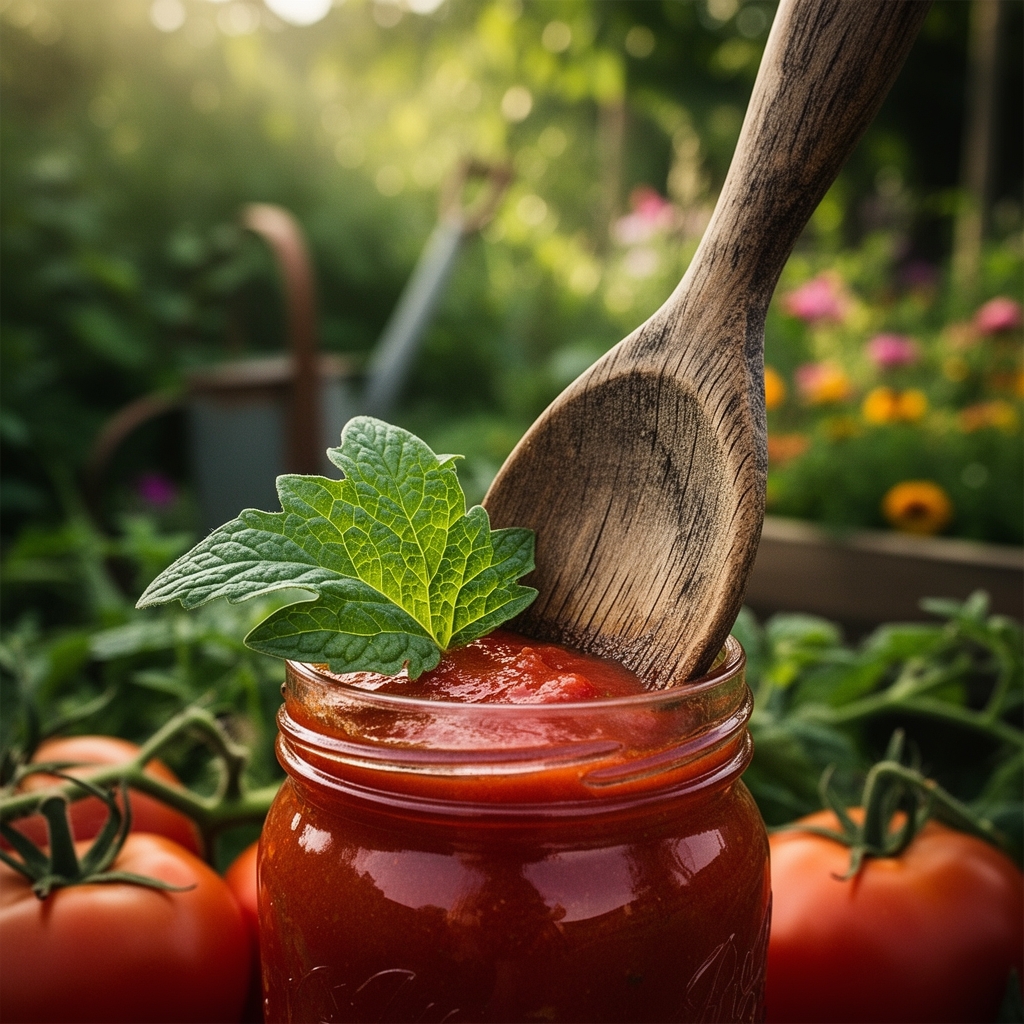
The scent of concentrated basil and slow-simmered fruit floods the kitchen each August when paste tomatoes surrender their flesh to the canner's art. Learning how to can tomato sauce transforms a fleeting harvest into pantry security, but success depends on cultivar selection, acid balance, and thermal processing precision. A single misstep in pH measurement or headspace calculation invites botulism spores to proliferate in sealed jars, turning months of garden labor into biological hazard.
Materials and Tools
Begin with determinate paste varieties: 'San Marzano,' 'Amish Paste,' or 'Roma VF' offer thick pericarp walls and minimal seed cavities. Feed established plants with 5-10-10 fertilizer at first fruit set, then switch to 4-4-4 organic meals to reduce excessive foliar growth that shades ripening clusters. Soil pH between 6.2 and 6.8 maximizes calcium uptake, preventing blossom-end rot that ruins canning yields.
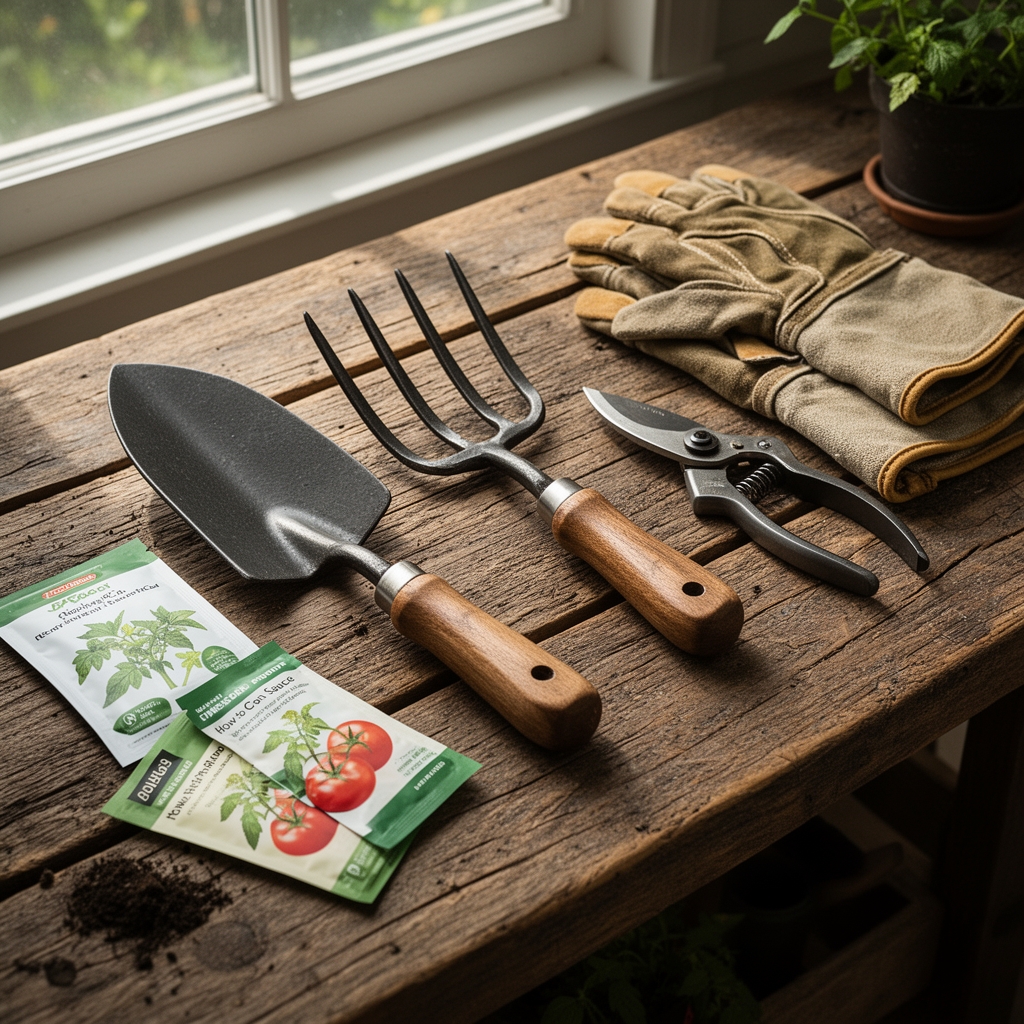
Acquire USDA-approved water-bath canner or pressure canner rated for 15 PSI at altitudes below 1,000 feet. Purchase new two-piece metal lids annually; the plastisol compound degrades in storage and fails to form hermetic seals. A digital pH meter accurate to 0.01 units verifies acidity below 4.6, the threshold that prevents Clostridium botulinum germination. Wide-mouth pint and quart jars withstand thermal shock better than narrow-neck formats. Stainless steel ladles, jar lifters, and magnetic lid wands prevent contamination during hot-pack procedures.
Bottled lemon juice at 5% acidity or citric acid powder standardizes pH when tomato genetics vary. Each quart requires 2 tablespoons of lemon juice or 1/2 teaspoon citric acid added directly to the jar before filling. This adjustment compensates for low-acid heirloom cultivars that test above 4.6 on refractometer scales.
Timing and Harvest Windows
Gardeners in USDA Hardiness Zones 5 through 7 should start seeds indoors 6 to 8 weeks before the last spring frost date, typically late March through early April. Transplant seedlings outdoors when soil temperatures stabilize above 60°F and nighttime lows remain above 50°F. In Zone 8 and warmer regions, direct sowing after soil reaches 70°F accelerates establishment without transplant shock.
Harvest paste tomatoes at the breaker stage or later, when color shifts from green to pale orange and ethylene production peaks. Fruits picked at this phenological window continue ripening indoors while maintaining pectin levels necessary for sauce viscosity. Plan canning sessions for early morning hours when ambient temperatures remain below 75°F, reducing bacterial growth on work surfaces.
Growth Phases and Pro Tips

Sowing Phase: Surface-sterilize seeds in 10% bleach solution for 5 minutes, then rinse thoroughly. Sow 1/4 inch deep in sterile seed-starting mix with cation exchange capacity above 15 meq/100g. Maintain soil temperature at 75°F to 80°F using heat mats; germination occurs in 5 to 7 days under these conditions.
Pro-Tip: Inoculate transplant holes with Rhizophagus irregularis mycorrhizal fungi at 50 spores per cubic inch of root zone. This symbiosis increases phosphorus uptake by 40% and enhances drought tolerance during fruit development.
Transplanting Phase: Harden off seedlings over 10 days by reducing water and exposing plants to outdoor conditions for progressively longer intervals. Bury stems up to the first true leaves; adventitious roots emerge from submerged nodes and expand the absorptive root system. Space determinate varieties 24 inches apart in rows separated by 36 inches to ensure adequate air circulation.
Pro-Tip: Prune suckers below the first flower truss at 45-degree angles using sterilized shears. This redirects auxin distribution toward fruit enlargement rather than vegetative biomass.
Establishing Phase: Apply 3 inches of straw mulch after soil warms to 65°F, conserving moisture and suppressing soilborne pathogens. Stake or cage plants immediately after transplant to prevent stem breakage when fruit clusters reach 2 pounds per truss.
Pro-Tip: Foliar-spray calcium chloride at 0.5% concentration weekly during rapid fruit expansion. This practice prevents blossom-end rot by ensuring calcium reaches distal fruit tissues despite fluctuating transpiration rates.
Troubleshooting Common Disorders
Symptom: Concentric brown rings on fruit shoulders (catface scarring).
Solution: Maintain nighttime temperatures above 55°F during flowering. Cold stress disrupts normal cell division in developing carpels.
Symptom: Jar lids fail to seal after processing; centers remain flexible.
Solution: Verify headspace at 1/2 inch for sauce. Excess headspace prevents vacuum formation during cooling.
Symptom: Sauce separates into clear liquid and solid sediment layers.
Solution: Process sauce immediately after cooking. Delayed canning allows pectinase enzymes to degrade polysaccharide networks.
Symptom: Foliage exhibits interveinal chlorosis and upward leaf curl.
Solution: Test soil for excess nitrogen. Adjust with elemental sulfur at 2 pounds per 100 square feet to lower pH and improve micronutrient availability.
Maintenance Protocols
Water plants with 1.5 inches per week, delivered through drip irrigation at soil level to prevent foliar diseases. Increase to 2 inches during fruit set when evapotranspiration peaks. Side-dress with composted manure at 10 pounds per 10 linear feet after first harvest, maintaining steady nitrogen supply without promoting excessive vine growth.
Monitor for hornworms weekly; handpick larvae before they consume 50% of foliage. Remove lowest leaves once fruit begins ripening to improve airflow and reduce early blight (Alternaria solani) infection.
Frequently Asked Questions
How long does properly canned tomato sauce remain safe?
USDA guidelines specify 12 to 18 months when stored below 70°F in dark conditions. Discard jars showing lid bulging, spurting liquid, or off-odors.
Can I reduce added acid if tomatoes taste very acidic?
No. Taste does not correlate with measurable pH. Always add the specified lemon juice or citric acid regardless of perceived tartness.
What processing time does tomato sauce require?
Water-bath canner: 35 minutes for pints, 40 minutes for quarts at altitudes below 1,000 feet. Add 5 minutes per 1,000 feet of elevation gain.
Should I use pressure canning instead of water-bath?
Either method works if sauce pH remains below 4.6. Pressure canning at 11 PSI for 15 minutes (pints) or 20 minutes (quarts) offers shorter processing times.
Do I need to peel tomatoes before making sauce?
Peeling improves texture. Blanch tomatoes in boiling water for 60 seconds, then plunge into ice water. Skins slip off easily, reducing bitterness from tannins concentrated in skin tissue.