10 Basic Steps to Hanging Herbs Dry
The morning air fills with concentrated essential oils when fresh oregano, basil, and thyme hang upside down in bundles, moisture wicking from stem to leaf tip. Proper steps to hanging herbs dry preserve volatile compounds that deteriorate within hours of harvest. A 2021 University of Maryland study confirmed that air-drying retains 85% more aromatic terpenes than oven methods. Each cultivar responds differently to ambient humidity, airflow velocity, and light exposure during the curing window.
Materials
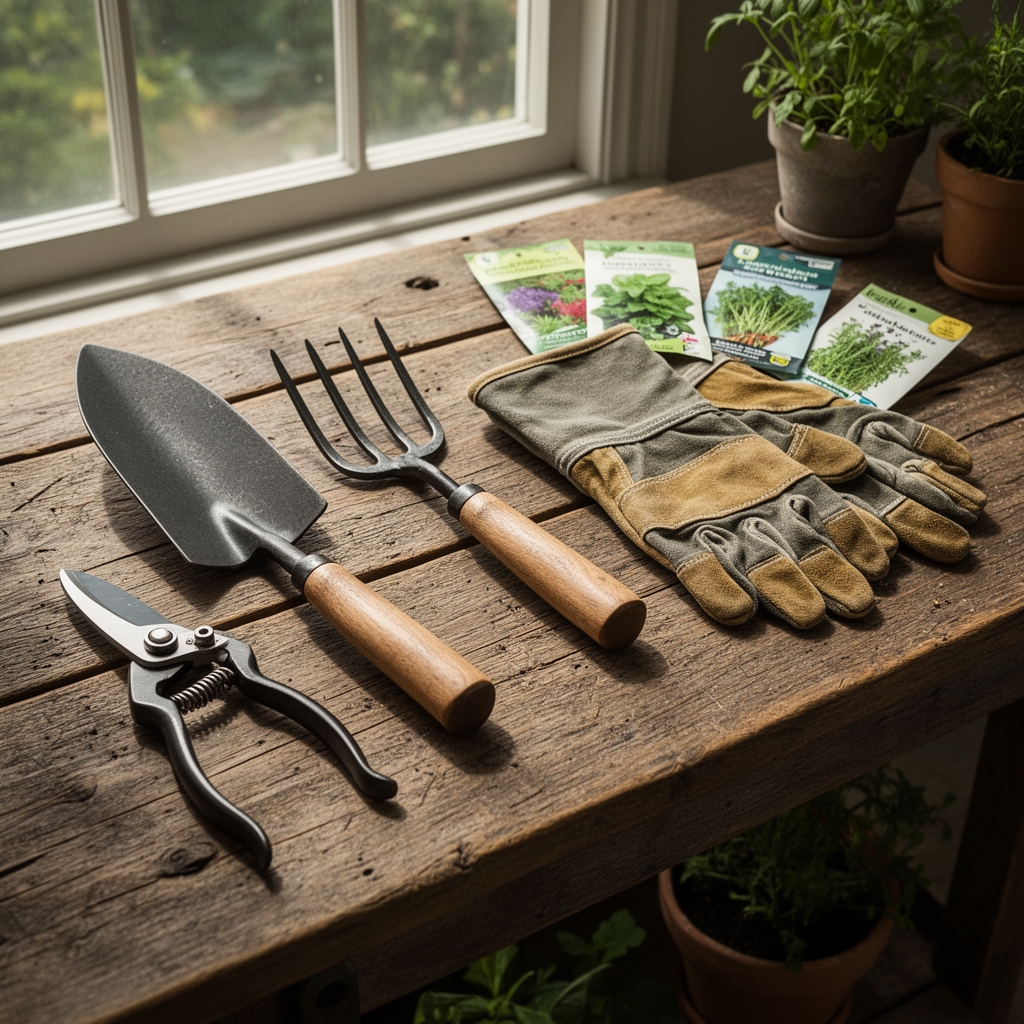
Select cotton twine or natural jute cordage rated for 5-pound loads. Rubber bands compress stems during the shrinking phase, creating uneven desiccation. Metal paper clips corrode in humid environments and leach copper ions into leaf tissue.
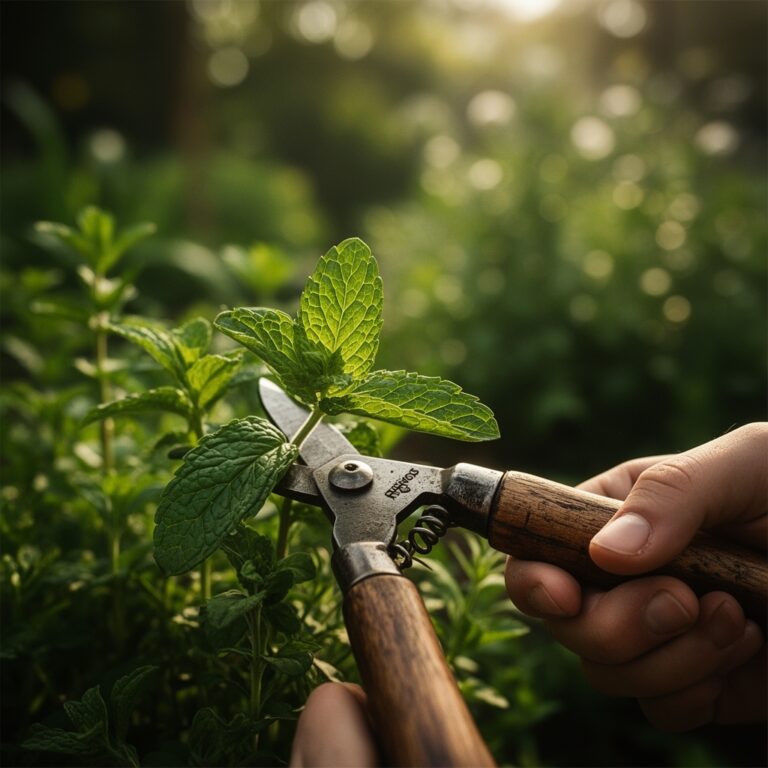
Harvest shears must deliver clean cuts at 45-degree angles to minimize vascular collapse. Ethanol or isopropyl alcohol at 70% concentration sterilizes blade edges between plant families, preventing cross-contamination of fungal spores.
Indoor drying stations require ambient temperatures between 60-75°F and relative humidity below 60%. Digital hygrometers accurate to ±2% ensure optimal conditions. A box fan set on low creates 200-300 CFM airflow without direct impingement on bundles.
Brown paper bags with ventilation holes suit leafy herbs prone to light degradation. Perforations spaced 2 inches apart balance air exchange with darkness. Avoid plastic, which traps ethylene gas and accelerates chlorophyll breakdown.
Timing
Harvest timing aligns with peak essential oil concentration, typically mid-morning after dew evaporation but before solar intensity exceeds 800 foot-candles. In USDA Hardiness Zones 5-7, optimal harvest windows span late June through mid-September. Zones 8-10 support year-round cutting cycles with 6-8 week intervals.
Perennial woody herbs like rosemary tolerate pre-frost harvest through late October in Zone 6. Annual basil requires completion before nighttime temperatures dip below 50°F, triggering anthocyanin production and flavor degradation.
Moon phase enthusiasts target waning moons for reduced sap flow, though peer-reviewed evidence remains inconclusive. Photoperiod matters more. Short-day herbs like shiso concentrate oils when daylight drops below 12 hours.
Phases
Harvesting Phase
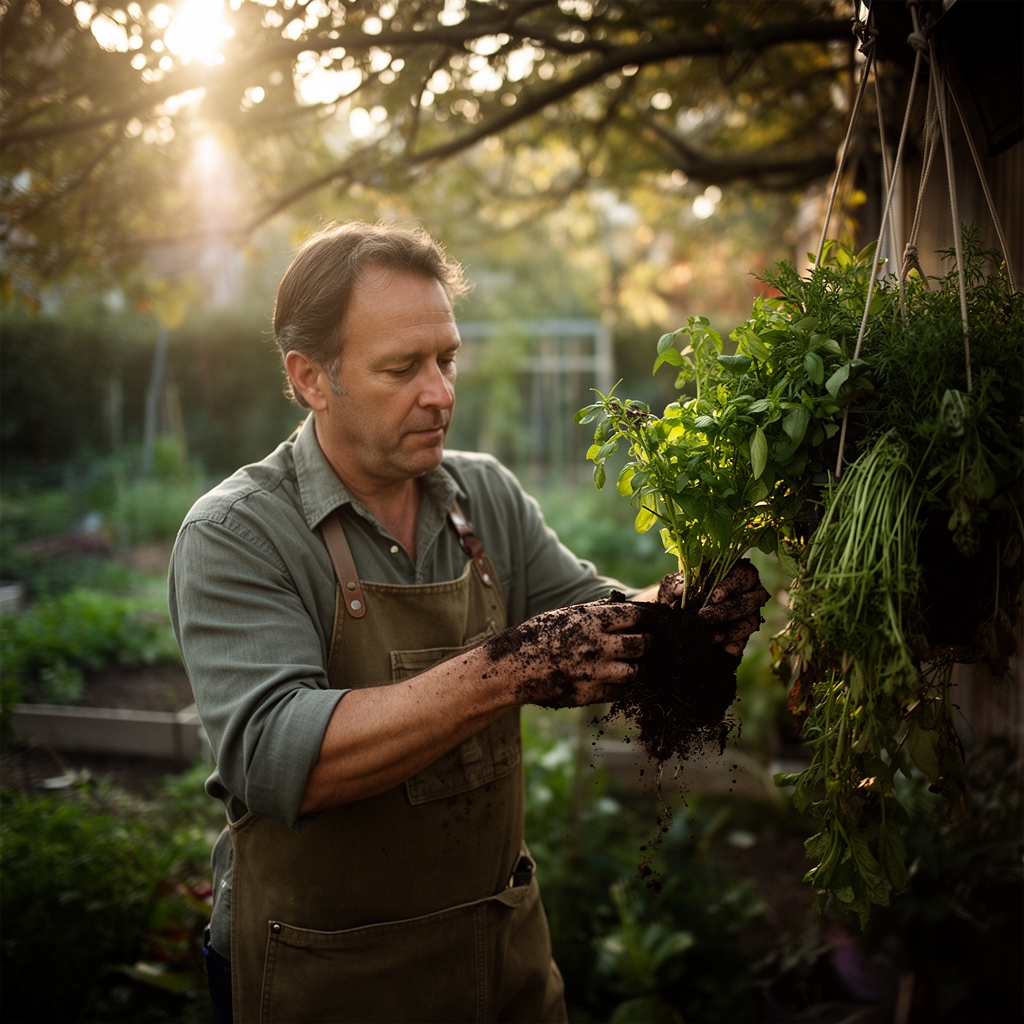
Cut stems 4-6 inches from terminal growth during vegetative stage, before flower bud initiation. Flowering redirects auxin distribution toward reproductive structures, reducing leaf oil content by 30-40%. Remove damaged, diseased, or insect-compromised foliage immediately.
Bundle no more than 8-10 stems per grouping. Overcrowding restricts airflow to interior leaves, creating anaerobic pockets where mold colonies establish within 48 hours. Bind stems 1 inch from cut ends, leaving space for tissue contraction.
Pro-Tip: Submerge harvested stems in ice water for 90 seconds to slow enzymatic browning and preserve chloroplast integrity during transport to the drying area.
Preparation Phase
Rinse bundles under cool running water to remove soil particles, aphid honeydew, and surface dust. Excess moisture extends drying time and invites Botrytis cinerea. Centrifugal salad spinners remove 80% of surface water in 15 seconds without bruising delicate leaves.
Inspect for thrips, spider mites, and whitefly nymphs under 10x magnification. A single gravid female aphid can produce 80 offspring in the warm, still air of a drying room. Quarantine suspect bundles.
Pro-Tip: Dip bundles in food-grade hydrogen peroxide solution (1:10 ratio with water) for 30 seconds to eliminate surface pathogens without residue.
Drying Phase
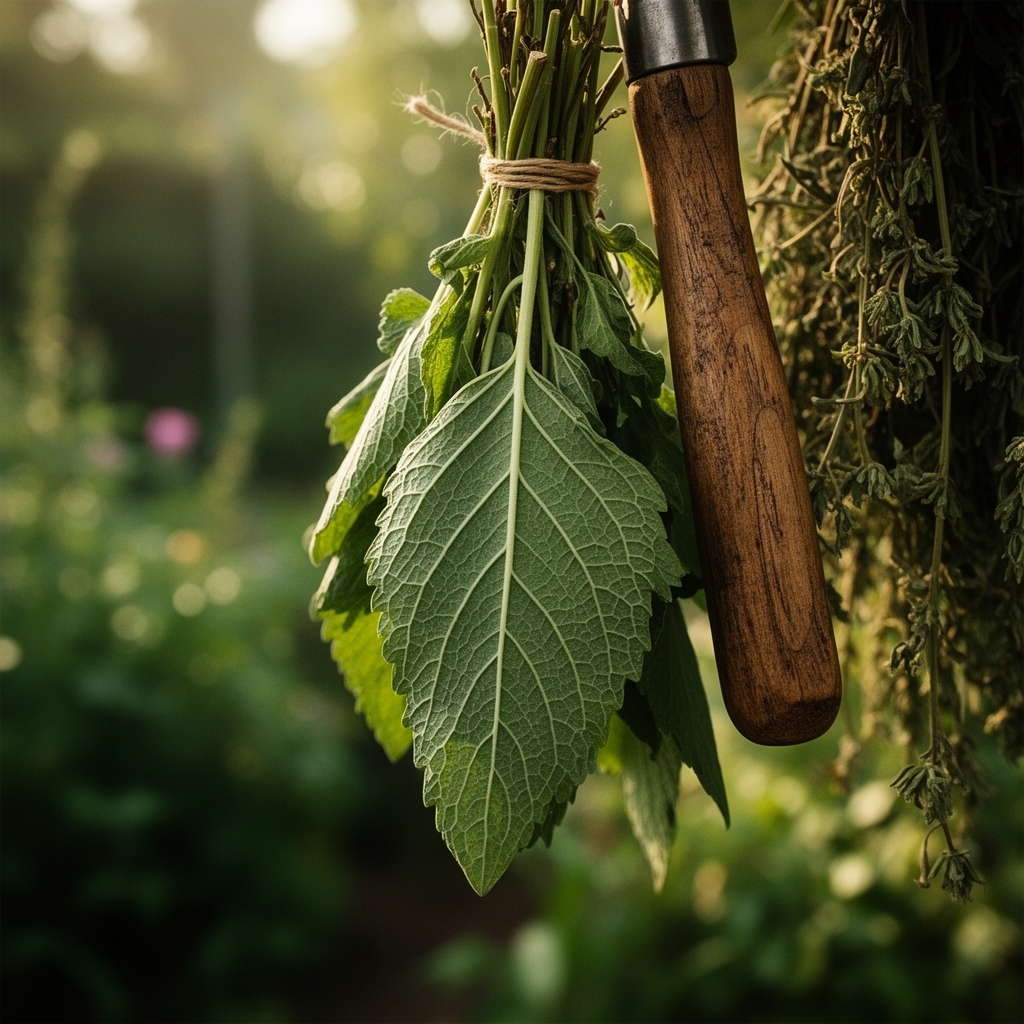
Suspend bundles from hooks, dowels, or wire racks with 6-inch spacing between groups. Invert stems to channel remaining xylem sap toward leaf tissue, extending turgor and preventing premature curling. Total darkness preserves light-sensitive compounds like lutein and beta-carotene.
Complete desiccation requires 7-14 days depending on stem diameter and ambient conditions. Test readiness by snapping a stem. Properly dried material fractures cleanly with an audible crack rather than bending. Leaves crumble between fingers with minimal pressure.
Pro-Tip: Place open containers of calcium chloride desiccant beneath drying racks to absorb ambient moisture and accelerate the final 48 hours of curing.
Troubleshooting
Symptom: Black spots or gray fuzz on leaves during drying.
Solution: Botrytis fungal infection from excess humidity. Discard affected bundles immediately. Increase airflow to 400 CFM and reduce room humidity below 50% using a dehumidifier. Space remaining bundles 8-10 inches apart.
Symptom: Leaves turn brown or yellow instead of retaining green pigment.
Solution: Chlorophyll degradation from light exposure or temperatures above 80°F. Move bundles to a cooler, darker location. Harvest younger growth next cycle, which contains higher chlorophyll concentrations.
Symptom: Musty or hay-like odor instead of characteristic herb fragrance.
Solution: Volatile monoterpenes have evaporated due to prolonged drying time or excessive heat. Reduce drying duration by improving ventilation. Store finished product immediately in airtight containers to preserve remaining aromatic compounds.
Symptom: Stems remain pliable after 14 days.
Solution: High ambient humidity or insufficient airflow. Move operation to a drier room. Run a dehumidifier to achieve 40-50% relative humidity. Consider batch size reduction to improve air circulation.
Maintenance
Monitor drying bundles daily during the first 72 hours when moisture content drops from 80% to 40%. Check for condensation inside paper bags or on ceiling surfaces, indicating inadequate ventilation.
Replace hygrometer batteries annually to maintain accuracy. Calibrate sensors using salt saturation tests (75.3% RH standard) every six months.
Clean drying racks between batches using diluted bleach solution (1:20 ratio) followed by thorough air-drying. Fungal spores persist on surfaces for months.
Store dried herbs in glass jars with rubber gasket lids, away from direct sunlight. Label containers with harvest date and cultivar. Shelf life extends 12-18 months under these conditions, compared to 3-4 months in plastic bags.
FAQ
How long do the steps to hanging herbs dry take from harvest to storage?
Complete drying requires 7-14 days. Dense, woody stems like rosemary need 12-14 days, while delicate basil finishes in 7-9 days at 60% humidity.
Can I dry different herb varieties together?
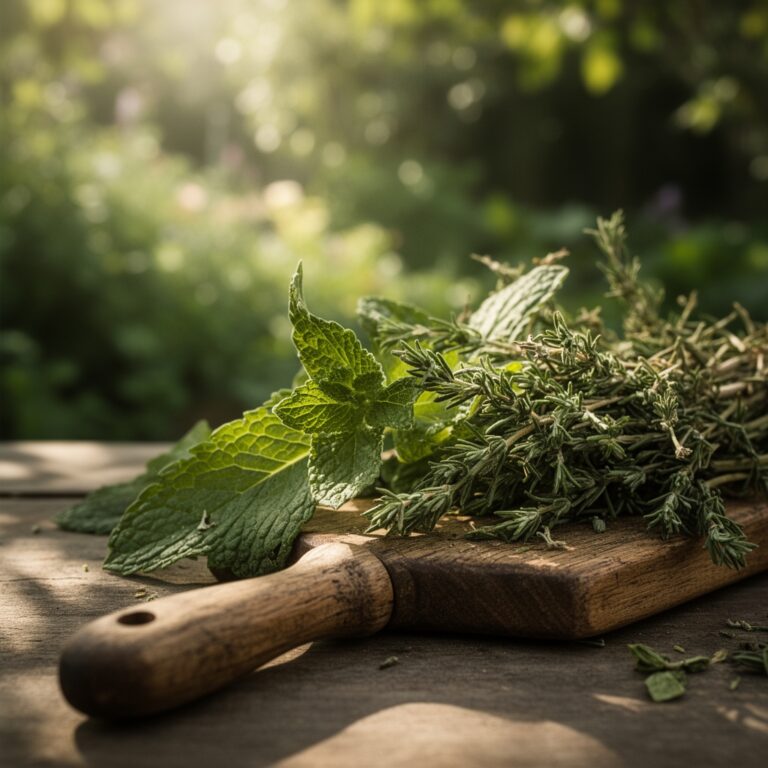
Yes, if they share similar moisture content and drying times. Avoid pairing mint with lavender, as mint's higher moisture content creates localized humidity that slows lavender curing.
Should I wash herbs before drying?
Rinse only if soil, insects, or debris are present. Remove 80% of surface water immediately using a salad spinner to prevent mold during the drying phase.
What causes dried herbs to lose flavor quickly?
Light, heat, and oxygen degrade essential oils. Store in opaque, airtight containers at temperatures below 70°F. Whole leaves retain potency longer than crushed material.
Is it safe to dry herbs in direct sunlight?
No. UV radiation breaks down chlorophyll and volatile oils within hours. Dark, well-ventilated spaces preserve color, aroma, and medicinal compounds.